
Tread Band of rolling deep for drive and reinforced sidewalls for transport of timber in forestry roads unpaved. Built for mud, steep slopes and heavy loads.
Logging is one of the most demanding applications for commercial tires. Each trip begins with an empty truck climbing steep unpaved forestry roads up to a landing where it loads timber, then descending those itself roads at the maximum gross weight of the vehicle. The roads are narrow, full of ruts, covered in mud or loose gravel depending on the season, and linetwo by tocones, rocks and debris that amenazan the sidewalls of tires in each step. No tire of highway withstands in is environment, and even the mixed-service tires of use overall often quedan short in the drive and durability that the logging demands.
The work cycle dual of the logging makes that tire selection is exceptionally desafiante. The trucks logging loaded pesan 36,000 kg or more, driving the maximum stress about each tire while navegan by roads talsides throughout bosques with minimum leveling. But the same truck that low slowly by a road forestry mudso a 24 km/h loaded should then perform a empty return on-highway a 90-105 km/h, demanding tires acceptable performance in fuel economy and handling a speeds where patterns aggressive generate noise, heat and accelerated wear. The best tires for trucks logging handle is contradiction offering sufficient drive for the stretches of forestry roads with loads without sacrifice acceptable performance in the empty return by highway.
The mud is the adversario constant. The forestry roads in the regions logging of the northwest of the Pacific, surthis and northis experimentan seasons wet extendeds where surface of the road turns in a mix of clay, material organic and water areeach. The tires need a tread geometry autolimpiante that expulse the mud while the wheel gira, instead of compactarlo in the voids of the tread and lose drive. The open-shoulder designs with wide channels lateral and blocks independent provide the better evacuation of mud, allowing that the tire excave throughout the surface blandto and encuamong terrain firme below.
Hanksugi offers three models of tires proper for the demands of the operations logging. The drive tire of open shoulder HS68 provides the drive and the performance autolimpiante neededs in forestry roads mudsos, with protection of stone-deflector that prevents that the gravel perfore the belt package. The all-position mixed-service tire HS76 handles the steer position with protection reinforced in the sidewalls against the rocks and tocones that edgean the forestry roads. The drive tire HS58, with your pattern classified M+S and laminations puncture-resistant, is built for the worst conditions of roads enagainstdas in operations logging.
The trucks logging viven in two worlds, and the tire should perform in both. Understanding the demands of each stretch of the trip le helps to choose tires that offer the better commitment between performance all-terrain with loads and the efficiency on-highway empty.
The approach correct is prioritizesr the performance in road forestry with loads and accept the compromises in the empty return by highway. A tire that le saca of a landing mudsa loaded vale more than a that ahorr2% on diesel during the empty return. The design of open shoulder HS68 offers the better balance: sufficiently aggressive for drive in forestry roads but sufficiently civilized for highway speeds in the empty return.
Drive tires, steer and all position chosen for transport of timber, forestry roads and the work cycle dual of operation all-terrain with loads and highway empty.
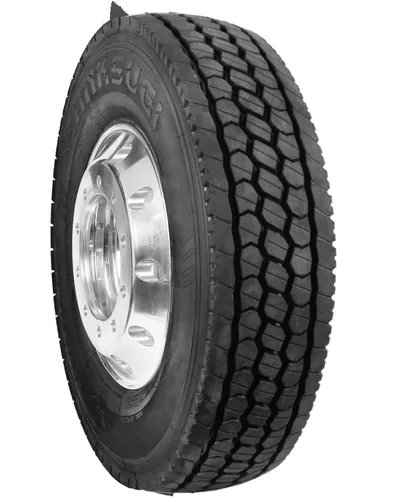
Drive tire of open shoulder with protection of stone-deflector and four grooves of decoupling. The geometry autolimpiante of the tread expulsthe mud in forestry roads. Pattern wide for drive in surfaces soft and loosis ader heavy loads of timber.
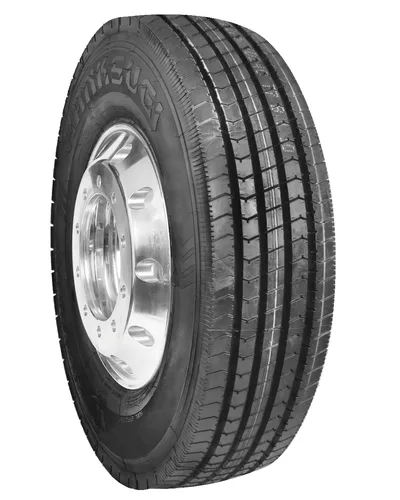
Tire of all position mixed service with rolling tread extra deep and protection reinforced in the sidewalls. Handles the rocks, tocones and waste that edgean the forestry roads while offers to steering response stable in highway stretches.
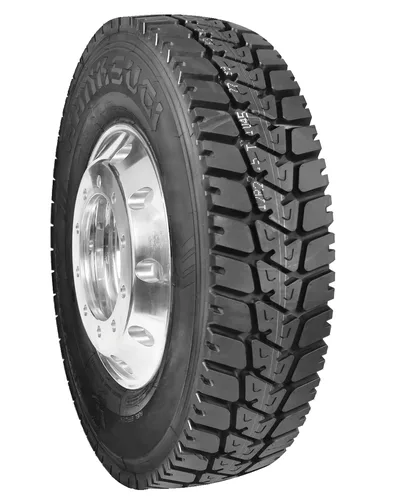
Drive tire with pattern M+S and laminations puncture-resistant. Design of lug aggressive that provides the maximum grip in platforms muddy and forestry roads no improveds where traction tires standard no can gain grip.
The forestry roads appear a collection unique of hazards for tires that no encuentran in no other application of transport. Understanding these hazards and choose tires with the features of protection proper can brandr the difference between complete a load and call to a truck of service of tires in a road forestry remoto where no existe coverage cellular.
When cosechthe timber and abre a road through the bosque, the tocones typically cortan a ras of the ground but no retiran. With the tiempo, the erosion of the ground exposes these tocones, and excelsn in the lane of transit. A stump that golpee the sidewall of a tire even a speed moderate can cut the rubber of the sidewall and expose the plies of the body, carrydo to a blowout. The roots of trees fallen can extendse by the surface of the road and impact the tire with force sufficient for break the selside of the bead or damaging the rin. The tires with construction reinforced in the sidewalls, as the HS76, provide thickness additional rubber in the sidewall area that absorbs the impact and resists the cortis of tocones and roots.
The forestry roads in the northwest of the Pacific can receive between 1.500 and 2.500 mm of rain annually. This saturate the surface of the road and creates mud deep that can immobilize a truck logging loaded. The ruts form from repeated heavy loads, channeling the water and creating trenches that trap tires and reduce the control of the steer. The areas of landing where carry the logs are particularly vulnerable to conditions of terrain soft because the equipment heavy compresses and churns the ground. The tread patterns self-cleaning with wide channels lateral are essential to keep the drive in these conditions. The design of open shoulder HS68 allows the mud is expelled of the tread while the tire broken, maintaining the biting edges that grip through the mud up to the surface more firme below.
The surfaces of the forestry roads are typically composed of material available locally, that can include rock angular sharp that short and chips the rubber from the tread. In areas logging of mountain, the surfaces of the roads can include granite fractured, basalt or slate with edges sharp enough for cut the compounds standard of tires. The rocks also accumulate in the grooves of the tread and pierce the rubber toward the belt package if not are expelled. The features of protection of stone-deflector, as the of the HS68, include platforms in the bottom of the grooves that preventsn that the stones reach the depth necessary for contact the steel belts. Checking the grooves of the tread in search of stones lodged in each stop is a simple habit that prevents expensive damage the belts.
The forestry roads build for access the timber, not to comply with the standards of slope of highway. The slopes from 10 to 15 percent are common, and some roads of drag approach to the 20 percent in stretches short. Descending a slope of 12 percent with 36,000 kg of gross vehicle weight demands a braking sustained that generates heat intense both in brakes as in tires. The drive tires absorb great part of is energy of braking, and the temperature internal can increase quickly during a long descent with loads. The proper inflation pressure is critical for manage the heat during the descents. The tires with low inflation flex more, generates more heat and have more likelihood of suffer a separation of belt or blowout during or immediately after a long descent with loads. The HS58 uses laminations puncture-resistant that add reinforcement structural beyond belt package standard, providing a margin of safety additional during descents of high tension.
Each position in a truck logging faces different demandas. Match the proper tire a each position maximizes life of each tire to the time that ensures that the truck tengthe drive and handling neededs for operate with safety in forestry roads.
The steer tires in a truck logging should offer a responsive handling in forestry roads narrow and winding where a giro failed can remove to the truck of the road and between trees. To the same tiempo, need reinforced sidewalls for survive to the contact with tocones and rocks throughout the edge of the road. The all-position mixed-service tire HS76 provides the protection in sidewalls that the logging demands without compromising the precision of steer necessary for the tight turns of the forestry roads. Its tread deep offers extended life even the slow speeds and the giro constant that characterize the driving in forestry roads.
The drive tires are the caballo of batalla of a truck logging. Should transmit the torthat engine the surface of the road in mud, gravel and ground loose while handle the weights maximums of the axle on each trip with loads. The drive failure in a drive tire loaded to the climb a slope can result in that the truck deslice toward back, creating additional situation extremely dangerous. The design of open shoulder HS68 provides reliable drive in conditions variables with geometry limpia-mud. For the worst conditions, the drive tire M+S HS58 offers the maximum grip with laminations puncture-resistant that protegen against the rocks and waste embedded in the surfaces of the forestry roads.
The trailer tires logging should handle the weight concentratesdo of a load complete of timber while follow the ruts and the mud of the forestry roads. Many trailers logging use configurations tandem or tri-axle for to distribute the weight of the timber, and each tire should handle its share providesl. The tires of the trailer also handle the same hazards of tocones and rocks than those of the tractor, but with less visibility of the driver. For trailers logging that also travel highway stretches, a all-position tire that manaxle both environments is the better option. Maintain the proper inflation across positions of the trailer is critical because the trailers logging experimentan greater variation of weight that the trailers of loads standard conforme the load asienta during the transport.
The trucks logging in the Cayman Islands typically use the following sizes of commercial tires. The size correct depends on the configuration of its truck, the capacities of the axle and the load useful maximum of timber that demands your operation.
| Size of Tire | Application | Models Hanksugi | Details |
|---|---|---|---|
| 11R22.5 | Steer, drive and trailer standard in trucks logging | HS68, HS58 | View Guide of Size |
| 11R24.5 | Trucks logging tandem/tri-axle for height additional | HS68, HS58 | View Guide of Size |
| 295/75R22.5 | Drive positions and trailer in trucks logging | HS68 | View Guide of Size |
| 285/75R24.5 | Configurations heavy of drive axle in trucks logging | HS68 | View Guide of Size |
| 295/80R22.5 | Operations logging the Cayman Islands, all position | HS76 | View Guide of Size |
Need help choosing the right tires for your operation maderera? Our fleet solutions team understands the unique demands of the transport of timber and can recommend configurations of tires suitable a your specific terrain, timber species and transport distances. Contact us for a consultation.
The operations logging often run in areas remote where service of tires is a hours of distance. A failure of tire in a road forestry means the loss of production of all a day, more the cost of service of emergencito a tarifas of areas remote. The prevention through the proper maintenance is much more economy that the repair of emergency.
The forestry roads castigan more tires with low inflation that any other surface. The combination heavy-loads, slow speeds and terrain uneven generates a internal heat intense in tires already comprometidas by low pressure. Check all pressureis of tires before exit of the yard each tomorrow and lleve a inflationr portable for ajustes in the field. Adjust the pressures depending on the axle weight loaded, no depending on estimates. A tire maderera well inflated resists better the impacts, sigue more recto in the ruts and disipthe heat with more eficacia that a that works even 10 PSI under.
While esperto a that the loadedr arme your load, camine around of the truck and inspect each sidewall of tires. Busthat cuts cools, raspones and bulges that indiquen damage by impact of the latest trip. A cut in the sidewall that still no exposes the plies of the body can be monitored, but a cut showing cuerda blanca or metallic means that the tire should reemplazarse before the next trip with loads. Detect the damage in the sidewall a time le allows schedule tire changes in the yard instead of deal with a blowout in a road forestry.
The gravel of the forestry roads aloja in the grooves of the tread and perforthe rubber toward the steel belts in rotations repeated. A single stone can penetrate to the belt package within ones few hundreds of km if not retira. Check the grooves of the tread during each stop of inspection and remove the stones lodged with to areda for tires. This toma two minutes by tire and prevents the damage the belts that would destroy the potential of retread of the casing. The tires with features of expulsion of stones, as the HS68, include platforms elevated in the bottom of the grooves that ayudan to avoid that the stones reach depth critical.
A retreadable logging tire casing saves between 40 and the 60 percent of the cost of a new tire. But logging conditions are harsh on casings, so their preservation demands deliberate effort. Retire tires before the tread wears down to the belt package, even if the localized wear patterns create touchdown points while the rest of the tread still has life. Keep the proper inflation throughout the service life. Store the removed casings in a place cool and dry, away from sunlight and sources of ozone. Label every casing with the truck number, position and reason for removal. Visit our retreading to know the acceptance criteria from Hanksugi casings and retreading options.
Questions common about tires for trucks logging, performance in forestry roads and tire selection for transport of timber.
The trucks logging need tires with tread patterns aggressive for drive in forestry roads unpaved, construction reinforced in the sidewalls to resist damage of rocks and tocones, and tread depth proper for service life under heavy loads at low speed. The drive positions need open-shoulder designs or lug deep that autolimpien of the mud. The steer positions need responsive handling for forestry roads narrow. All positions need protection in the sidewalls against the hazards that edgean the forestry roads.
Most of the trucks logging in the Cayman Islands use tires 11R22.5, 295/80R22.5 or 11R24.5. The 295/80R22.5 and 11R22.5 are the most common sizes in Cayman Islands market. The 11R24.5 provides a little more than height to the ground for conditions soft. Adjust the tire size the specifications of the manufacturer of its truck and the current axle weights with the maximum load useful of timber.
The mud llenthe voids of the tread and impide that the tire grip the surface of the road. The tires with open-shoulder designs and spaced of ruts more wide autolimpian with more eficacia because the mud is expelled while the tire broken. The tires with rating M+S and patterns aggressive of open shoulder provide the better drive in mud. Maintain the proper inflation is especially important in conditions muddy because tires with low inflation deform and trap the mud instead of expello.
The truck tires logging suffer sidewall damage by rocks, tocones and waste that edgean the narrow forestry roads. The tocones cut near the surface engwiden the sidewall when passes the truck. The rocks to the edge of the road appear edges sharp the height of the sidewall. The tires with construction reinforced in the sidewalls resist better is damage that the standard tires. Check the sidewalls before and after each trip in forestry roads.
Yes, if the casing is in good conditions. The rate of acceptance of retread for casings logging is lower than for highway casings due to the sidewall damage and the exposure to punctures. Maximice the potential of retread using tires with reinforced sidewalls, maintaining the inflation adequate, retiring tires before the tread alcance the belts and reviewing the casings prontly. A retreadable casing saves between 40 and the 60 percent of the cost of a new tire.
The trucks logging face a unique dual-duty challenge. Prioritize tires for the conditions of forestry roads with loads, since is where failures of drive and the damage tires are more dangerouss. Acepte that the patterns aggressive will be slightly less fuel-efficient in the empty return by highway. The HS68 in drive and the HS76 in steer offer the better commitment between performance all-terrain with loads and the efficiency on-highway empty.