
Service tires heavy for transport of containers, intermodal chassis and operations of port terminal. Built for maximum loads and harsh conditions of patio.
Drayage is short-haul transport of marine containers between ports, rail terminals, distribution centers and warehouses. It is the critical first and last mile of the intermodal supply chain, connecting maritime cargo and rail shipments to their final destinations. Although drayage trips are short, often less than 80 km, the demands on tires are among the more severe of the commercial transport. Each load is at maximum gross vehicle weight legal or near it. The surfaces of the yards of port are rough, full of debris and full of tight turns around stacked containers. The tires of the chassis remain inactive for days or weeks, losing pressure, and then carry to the maximum without inspection.
The tire failures in drayage operations not only are expensive to repair. They create delays throughout the supply chain. A burst tire on a chassis in a port terminal blocks a lane, delays processing at the gate and can result in demurrage charges that exceed the cost of the tire itself. The economical per per shift in drayage is tight, and every minute that a truck is waiting a tire change is a incomplete run. The operators drayage that invest in quality tires and proper maintenance consistently beat those who seek the lowest unit cost, because the downtime avoided and on-highway service calls more than compensate for the higher purchase price.
Hanksugi tires address the specific requirements of drayage and port operations with tires engineered for maximum load capacity, puncture resistance and durability in rough surfaces. The all-position tire HS64+ KRATO MIX handles the needs of steer and all position of drayage tractors with a crack-resistant compound that rejects port debris. The drive tire HS84 uses a compound resistant to cuts and tears built for mixed highway and terminal surface conditions of highway and terminal that drayage trucks face daily. The trailer tire HS86T, with four steel belts for puncture resistance, is the correct option for intermodal chassis that transport containers of maximum weight.
The drayage operations cover three environments distinct, and each one atactires in a manner different. Understand the specific hazards of each environment helps a fleet managers to choose tires that sobrevivan to the work cycle complete, no only a part.
Tires all position, of drive and of trailer chosen for the specific requirements of the transport of containers, service in port terminal and chassis applications intermodal.
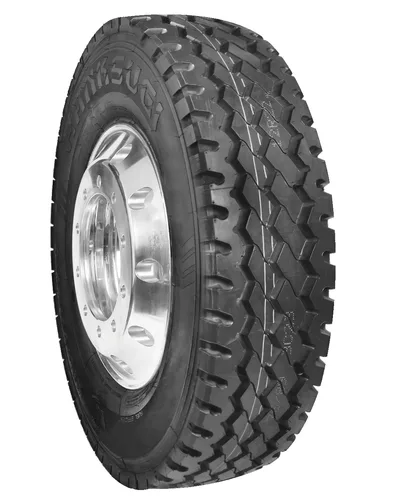
Compound resistant vs cracks with superior drive for steer drayage service and all position. Handles debris of port and rough surfaces of terminal without compromising the on-highway performance in routes of containers.
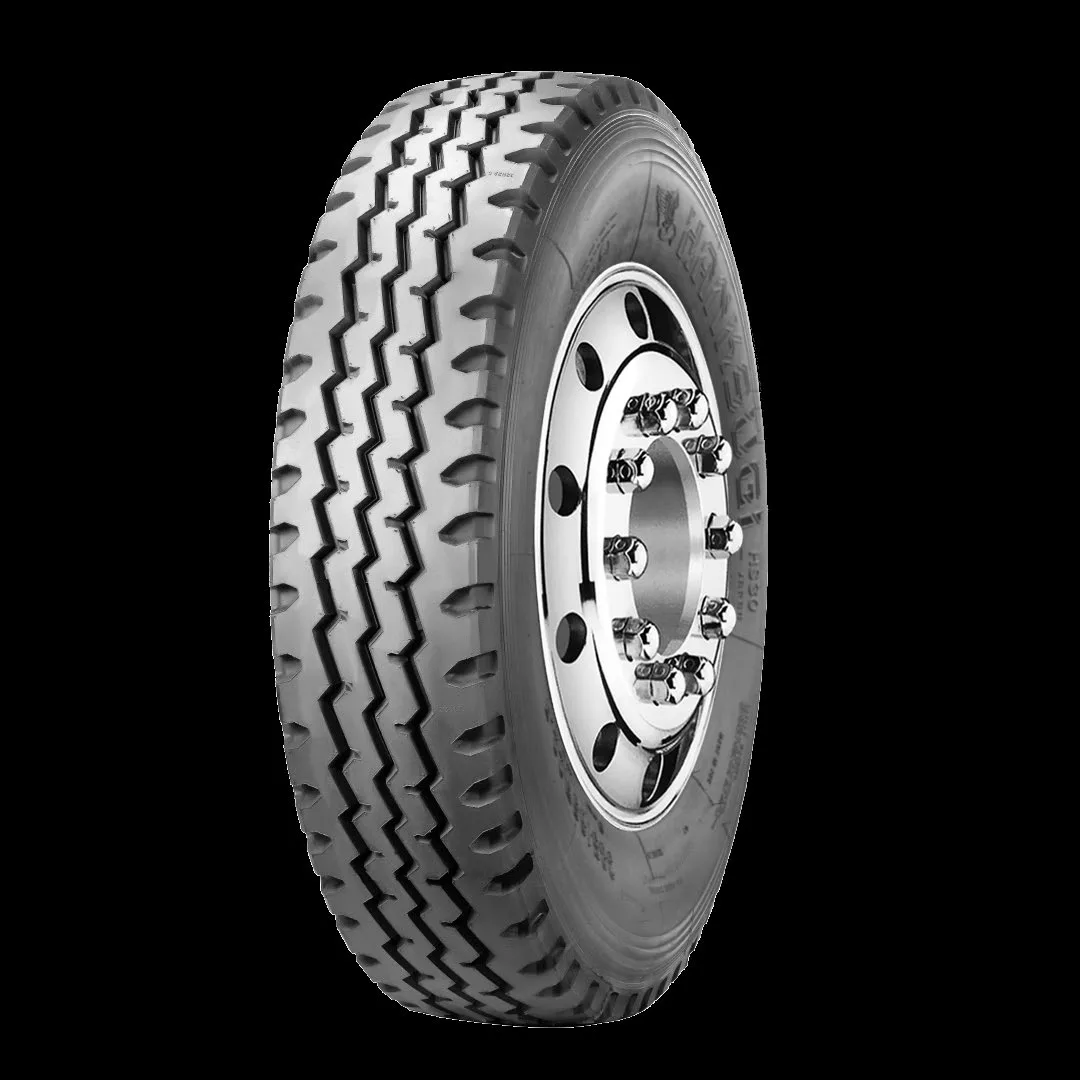
Drive tire resistant to cuts and tears with features of defense vs stones. Built for mixed conditions of highway and port terminal that encuentran the trucks drayage. Tread deep for life extended under heavy loads.
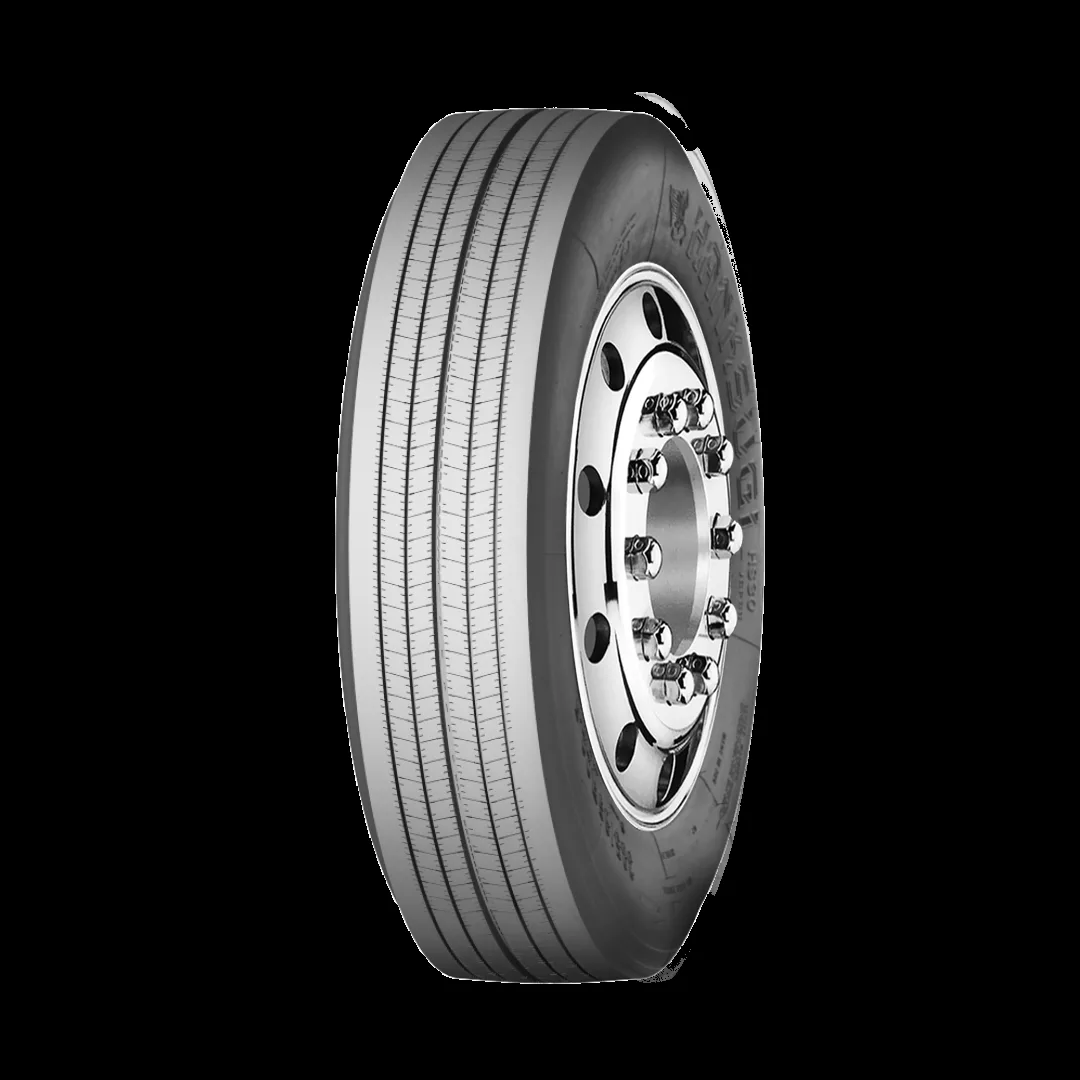
Four steel belts deliver maximum puncture resistance for chassis of containers and trailer positions intermodal. The low rolling resistance keeps the fuel efficiency in transit by highway between port and distribution center.
The specification most important for a drayage tire is your load rating. The containers arrive of the extranjero loaded to the maximum weight allowed, and the tire should handle its share of that weight without fail. Getting is wrong has consequences that range from premature tire wear up to reventnes catastrophics on the highway.
A container standard of 40 pies can pesar up to 20.000 kg when is totally loaded. Combined with the weight of the chassis of approximately 4,500 kg and the weight of the tractor of 7.300 a 9.100 kg, the gross weight combined regularly excede the 31.800 kg and can anearbyrse to the limit federal of 36.300 kg. Each tire in the chassis should handle its share providesl of the weight of the container more the weight of the chassis. In a standard two-axle chassis with four tires per axle, each tire supports approximately between 2.500 and 3.200 kg depending of the distribution of the load.
Always schoicee tires with classifications of loads that match or exceed maximum axle weight that the chassis will transport. For intermodal standard chassis, is typically means Load Range G tires (14PR) or Load Range H (16PR) in sizes such as 11R22.5 or 295/75R22.5. The tires with insufficient rating operating at maximum container weight will generate heat excessive and will fail prematurly. The trailer tire HS86T is available in classifications of loads suitable the demands of chassis of containers totally loaded, with four steel belts that provide the reinforcement structural needed to transport heavy loads km tras km.
The tires a maximum load require inflation pressure maximum. For a tire Load Range G a capacity full, that is typically 110 PSI. For Load Range H, is 120 PSI. No there are margin for low inflation a these weights. A tire operating even 10 PSI below the pressure required a maximum load generate dramatically more heat, and in drayage where each load is a maximum load, that that excess heat acumula on each trip. The operators drayage should verify the pressureis of tires before each dispatch and considerar equip chassis with sistemore automatic of inflation or at least monitoring pressure of tires. The few minutes worn verifying pressures pagan many times in tire failures avoideds and calls of service on-highway.
The chassis of containers are equipment shared in many port environments, which means that a chassis specific can be inasset in a yard by days or weeks between dispatches. During the time inasset, tires lose pressure slowly by permeation natural. When the chassis finally is removed of the yard and loaded with a container of 20.000 kg, tires can be between 20 and 30 PSI below your nominal pressure. Loadr a container of maximum weight in a chassis with tires of low pressure is a receta for a blowout in the firstos km. The bottom of chassis should implement verificationes systematic pressure of tires before the equipment between in service, and griprs should verify the pressureis of tires in each chassis to which engwiden before exit of the terminal.
Each axle position in a truck drayage faces different challenges. Selecting the correct tire for each position maximizes life of each tire of the truck and evitthe expensive desfase of put a highway tire in a position that demands a design mixed service.
The drayage steer tires face a combination unique of highway driving and aggressive yard maneuvers. must deliver steer stable and predictable at highway speeds while withstand the tight turns and the contact with edges of the operations of terminal. The HS64+ KRATO MIX handles both environments with a crack-resistant compound that resists the damage surface of the port debris without sacrificing the responsive handling needed on-highway at full load. Its reinforced sidewall construction supports the scrubbing and impact that the drayage steer tires absorb daily in the port terminals.
The drive tires in the drayage trucks should transmit the torthat engine the surface of the highway while handle weights maximums of axle on each trip. The constant maniobrto at low speed in the yards of port desgastthe drive tires aggressively, and the stonis of the rough surfaces of the terminal embed themselves in the grooves of the tread. The drive mixed-service tire HS84 is designed exactly for is work cycle. Their features of expulsion of stones prevent damage by drilling of stones, and the compound resistant to cuts and tears supports the rough surfaces loaded of debris enagainstdas in port environments. A greater tread depth provides extended life even under the conditions of accelerated wear of the service drayage.
The chassis tires of containers viven the life more hard in drayage. Carry the weights heaviest, remain inactive losing pressure, roll by debris fields and often no receive attention of maintenance between dispatches. The puncture resistance is the top priority for chassis tires because a puncture in a port terminal creates delays that cost much more than the tire itself. The HS86T with four steel belts provides the puncture protection that the chassis applications demand. Its construction is engineered to resist the fragments of nails, bolts and twist-locks that litter the yards of port and cause most of the punctures of chassis tires. For fleets that control your own chassis, implement a program scheduled pressure verification is the investment in tires with the highest available return.
The drayage operations wear tires faster than nearly any other application commercial. The combination of weights maximums, rough surfaces, exposure to debris and aggressive maneuvers means drayage tires can deliver only 64,000 to 97,000 km compared to the 160,000+ km that the same tire could reach in service long-haul. Aceptar is reality and handlesrla is the key to control the costs of drayage tires.
The size of control of costs more impactante is keep the inflation pressure adequate. In drayage, where each load is a maximum load, operate with tires even slightly with low pressure accelerates wear, generates heat excessive and increases dramatically the posibility of a catastrophic failure. A only blowout of tire in a chassis in the port can cost between USD 500 and USD 1,000 in charges of service on-highway, more hours of productilifed loss and possible demurrage charges. That only incidente does more than the difference of price between a premium tire and a economy throughout all a play. Invierta in monitoring pressure of tires or sistemore automatic of inflation, and incorpore verificationis pressure in itss procedures of dispatch.
Track the tire costs per shift instead of per km. In drayage, the relevant metric is how much each container movement costs in tires, no how many km delivers each tire. A tire that costs 20% more but lasts 40% longer and avoids a roadside service call is much more economical per per shift than an economy tire that fails mid-route. Use our cost calculator to model the specific economics of its drayage, or contact a our fleet solutions team for a tire-cost analysis tailored to your port mix and routes.
For the management of chassis tires, establezcto a protocolo of inspection of entry that verify tires before the chassis amongn in service. Mida tread depth, verify the inflation pressure and inspect to detect debris embedded and damage in the sidewall. Marthat the chassis with tires below the minimum tread depth or with damage visible, and dirigalos a maintenance before they regresen a service. This approach proasset capture issues before they cause failures and ensures that each chassis that sale of the yard is about tires safes and adequately inflateds. The retread program from Hanksugi allows a operators extend the life of casings of quality, reducing even more the cost per shift of tires for drayage operations.
Questions common about drayage tires, chassis of containers and selection of truck tires of port.
A truck drayage is a heavy-service tractor used to transport marine containers over short distances between ports, yards rail, distribution centers and warehouses. The drayage operations typically cover less than 160 km per trip, but involve maximum legal weight loads on each trip. The trucks spend meant time at port terminals and yards of containers where surfaces of the roads are rough, the debris are common and the tight turns around stacked containers are a constant hazard.
Most of drayage tractors in the Cayman Islands use tires 11R22.5 or 295/75R22.5 in the steer axles and drive. The chassis of containers typically use tires 11R22.5 or 285/75R24.5 depending of the manufacturer and configuration of the chassis. The tire size is less important that the load rating in applications drayage, because the containers nearly always carry to the maximum legal weight.
The drayage tires wear faster because the trucks operate at maximum gross vehicle weight on practically every loaded trip, the yards of port have rough surfaces with debris that accelerate the tread wear, and the short-haul work cycle demands frequent acceleration, braking and tight turns that create more tread abrasion per km than highway driving. Combined, these factors mean drayage tires can last only 64,000 to 97,000 km compared to 160,000+ km for the same tire in a long-haul truck on-highway.
The tire failures in chassis of containers are causeds mainly by low inflation, overload and deterigold by aging. The chassis tires often remain without use by period prolonged, losing pressure of air gradually. When a chassis is removed of the yard with low pressure of tires and loaded with a container of more than 18,000 kg, the tire with low pressure generates extreme heat that can cause a blowout in few km. The debris in yards of port also cause punctures. Verificar the pressure and conditions of tires of the chassis before each dispatch is the size more effective to prevent fallas.
To the choose tires for chassis of containers intermodal, prioritize the load capacity, the resistance to punctures and durability about the life of the tread. The chassis tires spend most of its km a maximum legal weight, so the tire must be classified for the load of axle heavier. The construction of four steel belts provides the resistance to punctures necessary for environments ports where debris are common. The Hanksugi HS86T with your four steel belts is proper for chassis applications.
Yes, drayage tires of the tractor can be retreaded if the casing passes the inspection. However, the harsh operating conditions of the service drayage cause more damage the casing that the highway applications, so the rate of acceptance of retread is typically lower. To maximize retread potential, remove tires before they wear to the wear indicators, keep the proper inflation pressure during all the tire life and inspect the casings quickly after removal. Visit our retreading for more information.