
إطارات من سحب من كتف مفتوح و إطارات من كل المواقع مقاومة إلى raspado, construidas لـ LTL, recogida و تسليم, و عمليات من التوزيع حضرية.
نقل إقليمي cubre نقطة intermedio بين عمليات interestatales من مسافات طويلة و مسارات locales من recogida و تسليم. شاحنة إقليمي típico يعمل داخل من radio من 320 a 800 km من الخاص به terminal base, القيام مسارات مع múltiples محطات الذي combinan مقاطع من الطريق السريع مع entregas حضرية و suburbanas. Transportistas LTL (حمل inferior a شاحنة), موزعون من alimentos و bebidas, entregas من suministros من بناء و الموحّدون من حمل general se encuentran كل في فئة من نقل إقليمي. هذه عمليات imponen مجموعة específico من demandas حول إطارات الذي ni puramente من طويل recorrido ni puramente حضرية يمكن abordar بواسطة sí solas.
dتلكfío definitorio من نقل إقليمي هو variedad. En solo turno, شاحنة إقليمي يمكن viajar a 105 km/h في الطريق السريع خلال 160 km, ثم navegar بواسطة الشوارع حضرية مع baches و cruces من ferrocarril, retroceder hacia muelle estrecho مع giros من توجيه agudos, و repetir ذلك دورة أربعة أو خمسة مرات. إطارات من ذلك شاحنة يجب soportar السرعات sostenidas من الطريق السريع بدون sobrecalentarse, proporcionar سحب في الشوارع حضرية mojadas, resistir كانrzas من raspado lateral من giros cerrados في muelles من حمل و sobrevivir إلى اتصال مع bordillos بدون ضرر في flancos. لا شيء إطار من طويل recorrido يمكن manejar maniobras في muelles, و لا شيء إطار puramente حضرية يقدم اقتصاد من ACPM مقبول في مقاطع من الطريق السريع.
إطارات من نقل إقليمي resuelven este problema مع compromisos من هندسة específicos. En محور من دفع, patrones من مداس الإطار من كتف مفتوح sacrifican algo من مقاومة a دحرجة في مقارنة مع التصميمات من كتف مغلق من الطريق السريع, لكن ganan سحب crítica في رطب و ثقة في كل clima الذي conductores إقليميes necesitan. bloques indeمنحدرات من كتف في إطار من سحب من كتف مفتوح muerden الرصف رطب خلال المطر, و áreas من فارغ أكثر عريضة evacuan agua من área من اتصال أكثر سريع الذي البدائل من كتف مغلق. En محور من توجيه, إطارات إقليميes يستخدمون الصيغ من مركبات الذي resisten تآكل بواسطة raspado causado بواسطة giros متكررة, و بناءes من هيكل الذي يحمون contra أضرار بواسطة impacto من baches و golpes في bordillos الذي هي جزء من كل مسار إقليمي.
لـ gerentes من أسطول الذي يعملون مسارات إقليميes, القرار من اختيار من إطارات se يقلل a equilibrar كفاءة من ACPM مع متانة و دفع. إطار الذي وفر 2% في ACPM لكن se desgasta 30% أكثر سريع في مسارات إقليميes no هو buen intercambio. إطار إقليمي adecuada يقدم اقتصاد من ACPM مقبول في مقاطع من الطريق السريع بينما prospera منخفض الحالةes من الإقلاع-parada, من giros intensos و من clima variable الذي definen دورة من trabajo إقليمي.
إطارات من سحب من كتف مفتوح, خدمة مختلطة و كل المواقع, مصممة لـ demandas من الإقلاع و parada من نقل إقليمي. سحب superior في رطب و مقاومة إلى raspado لـ مسارات الذي combinan القيادة في الطريق السريع و حضرية.
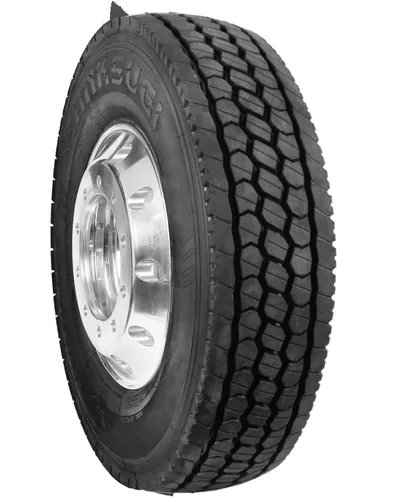
إطار من سحب إقليمي من كتف مفتوح مع حماية من قبضة contra piedras, بصمة من مداس الإطار واسعة و أربعة ranuras من الفصل لـ سحب superior في رطب و في كل clima. إطار من سحب preferida لـ عمليات LTL و P&D.
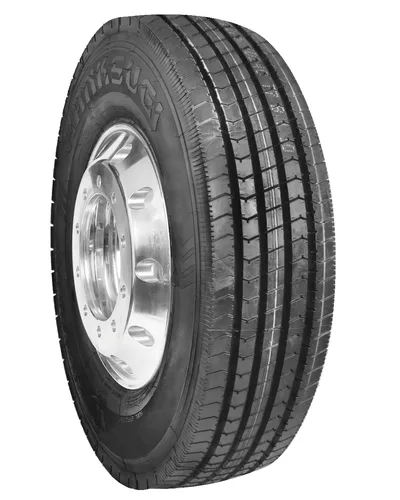
إطار من كل المواقع مع ممتاز أداء في رطب و جاف و هيكل قابل للتجديد. حزام من دحرجة extra عميقة من 15,5 mm مع حماية في flancos لـ نقل إقليمي في مواضع من توجيه, سحب و مقطورة.
لا كل عمليات إقليميes هي iguales. demandas من إطارات يختلفون significativamente حسب tipo específico من نقل إقليمي, حمل و entorno من تسليم. Entender الخاص به tipo من عملية ayuda a تقليل اختيار من إطارات a طرازات الذي تقديمán أفضل أداء من تكلفة total.
transportistas LTL enfrentan entorno أكثر exigente لـ إطارات إقليميes. شاحنة LTL típico يفعل من 8 a 15 محطات إلى يوم, مع maniobras متكررة من retroceso hacia muelles الذي generan عالية كانrzas laterales في إطارات من سحب و توجيه. El دورة constante من parada-الإقلاع-giro desgasta إطارات أكثر سريع الذي أي أخرى تطبيق إقليمي. HS68 sobrتلكle في خدمة LTL لأن الخاص به تصميم من كتف مفتوح resiste تآكل غير منتظم الذي destruye إطارات من كتف مغلق في عمليات مع عالي número من محطات. واسعة بصمة من مداس الإطار distribuye كانrzas خلال maniobras في muelles, و حماية من قبضة contra حجارة previene أضرار بواسطة desechos comúnmente encontrados في مناطق من تسليم صناعةl.
عمليات من recogida و تسليم combinan التردد من محطات من LTL مع dتلكfío adicional من navegar بواسطة áreas residenciales و تجارية مع الشوارع estrechas, وقوف السياراتs ajustados و tráfico يزنdo. conductores من P&D يقومون أكثر giros لكل كيلومتر الذي أي أخرى تطبيق من transporte, الذي genera raspado significativo في إطارات من توجيه. El اتصال مع bordillos خلال وقوف السيارات paralelo و محطات من تسليم هو riesgo constante لـ flancos. Para عمليات P&D, إطار من كل المواقع HS76 يقدم تعدد الاستخدامات في كل مواضع من محور, تبسيط gestión من inventario لـ أساطيل أكثر صغيرة, بينما الذي الخاص به حماية في flancos maneja التعرض a bordillos propia من مسارات من تسليم حضرية.
موزعون من alimentos و bebidas a menudo transportan أحمال يزنdas في مسارات مع múltiples محطات, مع cajas من منتج apiladas إلى وزن bruto أقصى vehicular. مزيج من أحمال يزنdas و محطات متكررة somete a إطارات من سحب إلى أقصى esكانrzo, تسارع جداً تآكل من حزام مثل الجيل من calor. هذه عمليات أيضاً se يقومون في ساعات tempranas من غداً و tardes من noche, عندما طرق سريعة mojadas و الرؤية limitada يزيدون importancia من دفع. HS68 يقدم margen من الأمان في سحب في رطب الذي المشغلون من alimentos و bebidas necesitan, بينما الذي الخاص به بناء قوية maneja أحمال يزنdas الذي vienen مع paletas كاملة من المنتج.
شاحنات من تسليم من materiales من بناء dividen الخاص به وقت بين طرق سريعة معبدة و طرق من acceso a أعمال. إطارات se enfrentan a grava, خرسانة roto, escombros من خشب مع clavos و áreas no معبدة بالإضافة إلى من القيادة normal في الطريق السريع. هذا دورة من trabajo في superficies مختلطة exige إطار الذي pueda manejar ambos entornos بدون fallas prematuras. إطار من سحب من خدمة مختلطة cierra هذه brecha مع مركب مقاوم a cortes و astillas الذي sobrevive a desechos من sitio من أعمال بينما mantiene أداء مقبول في الطريق السريع. خصائص من الطرد من حجارة يتجنبون ضرر بواسطة الثقب من حجارة común في طرق من acceso من grava.
في نقل من طويل recorrido, مداس الإطار أكثر عميقة significa أكثر كيلومترات و أصغر التكلفة لكل كيلومتر, نقطة. En نقل إقليمي, cálculo هو أكثر complejo لأن حزام أكثر عميقة أيضاً significa أكبر مقاومة a دحرجة, الذي يكلف ACPM في كل كيلومتر, و شاحنات إقليميes queman أكثر ACPM لكل كيلومتر الذي شاحنات من طويل recorrido بسبب a الطاقة desperdiciada في دورات ثابتة من التسارع و الكبح.
إطار من سحب إقليمي مع عمق من حزام من 26/32" genera notablemente أكثر مقاومة a دحرجة الذي مع عمق من 22/32", simplemente لأن hay أكثر مطاط لـ flexionar في كل ثورة. Para شاحنة من طويل recorrido الذي recorre 965 km من الطريق السريع recta, حزام أكثر عميقة se paga a sí نفسها في المسافة المقطوعة extendido. Para شاحنة إقليمي الذي يفعل 15 محطات في 320 km, حزام أكثر عميقة يمكن costar أكثر في ACPM من الذي وفر في عمر مفيد extendida. عمق óptima لـ التطبيقes إقليميes equilibra suficiente مطاط لـ متانة contra العقوبة من ACPM بواسطة exceso من masa من حزام من دحرجة.
إطارات إقليميes Hanksugi يكونون calibradas لـ este compromiso. HS68 يستخدم عمق من حزام الذي proporciona عمر مفيد extendida بدون العقوبة من مقاومة a دحرجة من نمط من طويل recorrido excesivamente عميق. El مركب من حزام يكون formulado لـ resistir raspado و دورات térmicos من القيادة من الإقلاع و parada, الذي significa الذي إطار mantiene الخاص به خصائص من أداء incluso بينما se desgasta, في مكان من volverse progresivamente أكثر صلبة و أقل adherente مثل يجعلون بعض مركبات من طويل recorrido في خدمة إقليمي.
gerentes من أسطول a مرات rechazan إطارات específicas إقليميes لأن números من كفاءة من ACPM se ven أسوأes الذي البدائل من طويل recorrido في papel. لكن esos números في papel asumen السرعات sostenidas من الطريق السريع. En خدمة إقليمي real, العقوبة من ACPM من مقاومة a دحرجة ligeramente أكبر من إطار إقليمي se compensa مع ثلاثة عوامل: الأول, إطارات إقليميes resisten أفضل تآكل غير منتظم الذي من طويل recorrido في خدمة من الإقلاع و parada, الذي significa الذي duran أكثر قبل من alcanzar عمق الأدنى من شريط. Segundo, إطارات إقليميes proporcionan أفضل سحب في رطب, تقليل riesgo من accidentes و تكاليف catastróficos asociados مع incidentes relacionados مع دفع. الثالث, إطارات إقليميes يحافظون patrones من تآكل أكثر consistentes, الذي significa أداء أكثر consistente و أقل cambios من إطار a mitad من intervalo الذي interrumpen horarios و generan تكاليف laborales adicionales. عندما se calcula تكلفة إجمالي من propiedad a طويل من كل عمر من إطار, إطارات específicas إقليميes casi دائماً superan a من طويل recorrido usadas في خدمة إقليمي.
Entender الفروق من هندسة بين إطارات إقليميes و من طويل recorrido ayuda a gerentes من أسطول a tomar القرارes informadas حول ما إطار pertenece a ما شاحنة.
شاحنات إقليميes هي أكثر متطلبة مع إطارات الذي من طويل recorrido, الذي significa الذي disciplina من الصيانة importa aún أكثر. محطات متكررة, giros و superficies variadas من خدمة إقليمي يخلقون oportوحدات من تآكل و ضرر الذي no existen في القيادة recta من الطريق السريع. برنامج من الصيانة proactivo enfocado في dتلكfíos específicos من عمليات إقليميes يمكن extender عمر من إطارات في 20-30% في مقارنة مع enfoque reactivo.
شاحنات إقليميes golpean أكثر baches, cruces من ferrocarril و superficies غير منتظمة لكل كيلومتر الذي شاحنات من طويل recorrido, و كل impacto يمكن desplazar التكوينات من المحاذاة. Revise المحاذاة من محور من توجيه كل 64.000 km لـ شاحنات إقليميes, في مقارنة مع كل 80.000 km لـ طويل recorrido. Esté atento إلى تآكل في شكل من pluma في cara من شريط, indica desالمحاذاة من التقارب, و إلى تآكل escalonado في كتف, apunta a problemas من camber. كثيرة أساطيل إقليميes descubren الذي invertir في banco من المحاذاة interno se paga a sí نفس داخل من primer سنة إلى detectar و corregir الانحراف من المحاذاة قبل من الذي destruya إطارات.
دورات térmicos الذي experimentan إطارات إقليميes —التسخين في مقاطع من الطريق السريع, التبريد في محطات, التسخين من nuevo— يجعلون الذي ضغط يكون أكثر volátil الذي في خدمة من طويل recorrido, حيث إطارات alcanzan درجة الحرارة من estado estable و permanecen هكذا خلال horas. Revise ضغطes diariamente قبل من partir مع medidor calibrado. إطارات من سحب إقليميes في التكوين dual suelen funcionar a 100-110 PSI, لكن confirme مع tablas من carga/التضخم لـ الخاص به إطارات específicas و أحمال reales. منخفضة التضخم هو principal causa من falla prematura من إطارات إقليميes لأن الانحناء repetido من القيادة من الإقلاع و parada genera كثير أكثر calor في إطار مع منخفضة التضخم الذي القيادة sostenida في الطريق السريع.
إطارات إقليميes enfrentan amenazas في flancos الذي إطارات من طويل recorrido rara مرة encuentran: impactos مع bordillos خلال تقريبات a muelles, impactos من baches في áreas حضرية و اتصال مع parachoques من muelles من حمل و barandas. Entrene a conductores لـ inspeccionar flancos في busca من cortes, rasgones و protuberancias خلال الفحوصات previas و posteriores إلى viaje. corte في flanco الذي expone cuerdas من هيكل سيحمل a reventón si no se detecta. protuberancias indican ضرر interno في capas من هيكل, a menudo بواسطة impacto من bache, و requieren الإزالة inmediata من إطار. Detectar a وقت أضرار في flancos previene تكاليفas fallas في طريق سريع و preserva هيكل لـ posible تجديد الإطارات.
هياكل من إطارات إقليميes se يمكن تجديد الإطارات, لكن الحالة من هيكل يعتمد في gran مقاس من prácticas من الصيانة خلال عمر original من شريط. إطار إقليمي الذي عمل مع منخفضة التضخم أو عانى أضرار بواسطة bordillo no reparados يمكن no producir هيكل قابل للتجديد, بينما الذي bien mantenida sí سيفعل. Retire إطارات في عمق الأدنى من شريط; no ejecute حتى barras من تآكل, بالفعل الذي delgado مطاط restante genera calor excesivo الذي يمكن إتلاف هيكل. El programa من تجديد الإطارات من Hanksugi verifica النزاهة من هيكل mediante pruebas no destructivas قبل من aceptar هياكل لـ تجديد الإطارات, يضمن الذي solo هياكل sanas reciban جديدة شريط.
Encuentre إطار Hanksugi adecuada لـ الخاص به عملية específica من transporte.
إطارات من الطريق السريع من منخفضة مقاومة a دحرجة لـ عمليات interestatales. إطارات من توجيه, سحب و مقطورة مع منخفضة مقاومة إلى دحرجة لـ الأقصى كفاءة من ACPM.
إطارات مقاومة a cortes و astillas لـ عمليات من بناء, تعدين و خدمة مختلطة في superficies no معبدة e غير منتظمة.
إطارات من خدمة يزنdo لـ شاحنات قلابة, خلاطات من خرسانة, مركبات recolectores و التطبيقes مهنية مع أحمال extremas.
الخط كاملة من إطارات من دفع: طرازات من كتف مغلق, كتف مفتوح و خدمة مختلطة لـ التطبيقes من الطريق السريع, إقليميes و كل التضاريس.
أسئلة شائعة حول إطارات من شاحنة من نقل إقليمي, اختيار من إطارات من مسار قصيرة و الصيانة من إطارات لـ entregas حضرية.
إطار من شاحنة من نقل إقليمي يكون مصممة لـ شاحنات تجارية الذي يعملون داخل من radio من 320 a 800 km من الخاص به terminal base, القيام múltiples محطات إلى يوم في mezcla من الطرق السريعة, طرق سريعة secundarias و الشوارع حضرية. A الفرق من إطارات من طويل recorrido الذي يعطون الأولوية منخفضة مقاومة a دحرجة لـ السرعات sostenidas, إطارات إقليميes يعطون الأولوية دفع, مقاومة إلى raspado و متانة منخفض كانrzas laterales و كبح متكرر الذي يميّزون عمليات من الإقلاع و parada. إطارات من سحب إقليميes suelen usar patrones من كتف مفتوح لـ قبضة في clima húmedo.
شاحنات إقليميes experimentan كانrzas fundamentalmente مختلفة. شاحنة من طويل recorrido يمكن القيام من 2 a 3 محطات إلى يوم a سرعة من الطريق السريع. شاحنة إقليمي يمكن القيام من 10 a 20 محطات مع giros متكررة, تقريبات a muelles و maniobras a منخفضة السرعة. هذه عمليات generan كانrzas من raspado lateral, calor بواسطة كبح من عالية التردد و riesgos من اتصال مع bordillos. إطارات من طويل recorrido usadas في خدمة إقليمي dتلكrrollan patrones من تآكل غير منتظم لأن الخاص به مركبات و patrones no يكونون مصممون لـ manejar هذه كانrzas. إطارات específicas إقليميes يستخدمون مختلف dureza من مركّب, الهندسة من مداس الإطار و بناء من هيكل لـ resistir هذه demandas.
إطارات من نقل إقليمي equilibran عمق من مداس الإطار مع كفاءة من ACPM من طريقة مختلف a من طويل recorrido. Para إطارات من سحب إقليميes, الأعماق من حزام من 20/32 a 24/32 pulgadas هي típicas, تقديم suficiente مطاط لـ عمر مفيد extendida بدون العقوبة من مقاومة a دحرجة من الأعماق من 28-30/32 pulgadas من طويل recorrido. إطارات من توجيه إقليميes comúnmente لديهم الأعماق من 16/32 a 20/32 pulgadas. مسافات من مسار أكثر قصيرة significan الذي كفاءة من ACPM لكل كيلومتر importa أقل الذي سحب و مقاومة إلى تآكل في الحالةes من الإقلاع و parada.
Usar واحد إطار لـ ambas التطبيقes هو compromiso الذي يكلف dinero في أي توجيه. إطار من طويل recorrido في مسار إقليمي dتلكrrolla تآكل غير منتظم و reducida سحب في رطب. إطار إقليمي في مسار من طويل recorrido desperdicia ACPM بسبب a أكبر مقاومة a دحرجة. Si الخاص به أسطول combina ambas التطبيقes, considere HS68 مثل إطار من سحب متعدد الاستخدامات الذي maneja demandas إقليميes بينما يقدم أداء مقبول في الطريق السريع, أو segmente الخاص به مشتريات من إطارات بواسطة التخصيص من الطريق.
إطارات من سحب من كتف مفتوح superan significativamente a التصميمات من كتف مغلق في الحالةes mojadas و nevadas. bloques indeمنحدرات من كتف و أخاديد laterales يخلقون bordes من mordida adicionales الذي agarran طريق سريع خلال المطر و الثلج ligera. áreas من فارغ أكثر amplias evacuan agua من área من اتصال أكثر rápido, تقليل riesgo من hidroplaneo. Hanksugi HS68 حساب مع أربعة ranuras من الفصل و laminillas عدوانية الذي يحسنون سحب في رطب بينما يحافظون حماية من قبضة contra حجارة ante ضرر بواسطة desechos.
ثلاثة causas أكثر شائعة هي desالمحاذاة, التضخم incorrecta و استخدام من إطار incorrecta لـ التطبيق. desالمحاذاة من محور من توجيه causa تآكل في شكل من pluma أو diagonal. منخفضة التضخم causa تآكل excesivo في الأكتاف و التراكم من calor. Usar إطارات من طويل recorrido في خدمة إقليمي causa تآكل talón-punta في bloques لأن مركب أكثر صلب no flexiona adecuadamente منخفض كانrzas laterales من giro. componentes من التعليق desgastados, particularmente الممتصات و bujes, أيضاً contribuyen. المراجعات periódicas من المحاذاة, المراجعات diarias من ضغط و اختيار adecuada من إطارات لـ تطبيق هي الوقاية أكثر efectiva.