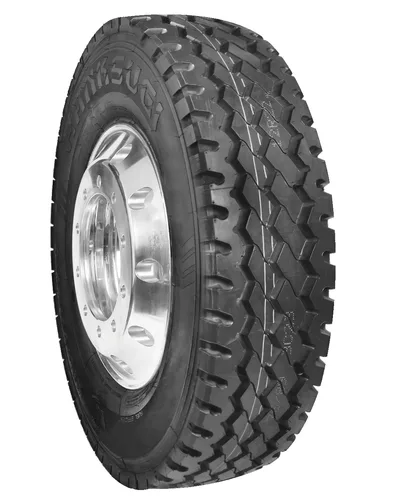
Tyres of service heavy for transport of containers, chassis intermodales and operations of terminal portuaria. Built for freight maximum and conditions hard of yard.
The drayage is the transport of short distance of containers marítimos between ports, terminales ferroviarias, distribution centres and warehouses. Es the first and última mile crítica of the cadena of suministro intermodal, connecting the freight marítima and the shipments ferroviarios a your destinos finales. Si well the trips drayage are short, often of less than 80 km, the demands a the tyres are between the more severe of the transport commercial. Every freight is to the weight vehicular bruto legal maximum or near it. The surfaces of the port yards are rough, full of debris and repletas of giros cerrados alrededor of containers apilados. The tyres of chassis permanecen inactivas by days or semanas, losing pressure, and then se loadn to the maximum without inspection.
The failures of tyres in operations drayage no only are costly of reparar. Create retrasos in casevery through the cadena of suministro. A tyre resaleda in a chassis in a terminal portuaria bloquea a carril, retrasa the processing in the door and can resultar in cargos by demora that superan the cost of the tyre same. The economy by turno in drayage is ajustada, and each minuto that a truck is waiting a cambio of tyre is a turno no completedo. operators drayage that invierten in tyres of quality and maintenance adequate superan consistentmente a quienes buscan the cost by unit lower, because the time of inactivity avoidsdo and the llamadas of service in highway more that compensan the higher purchase price.
The tyres Hanksugi abordan the demands specific of operations drayage and port with tyres designed for maximum capacity of load, resistance a punctures and durability in surfaces rough. The tyre all-position HS64+ KRATO MIX maneja the needes of steering and all-position of tractors drayage with a compound resistant to grietas that rechaza the debris of the port. The tyre of drive usa a compound resistant to cuts and chunking built for the conditions mixed of surface of highway and terminal that the trucks drayage enfrentan daily. The tyre of trailer , with four steel belts for resistance a punctures, is the option right for chassis intermodales that transport containers of weight maximum.
The operations drayage cover three environments distintos, and each ataca the tyres of manera different. Comprender the hazards specific of each environment ayuda to the managers of fleet a seleccionar tyres that sobrevivan to the cycle of work complete, no only a part.
Tyres all-position, of drive and of trailer seleccionadas for demands specific of the transport of containers, service in terminal portuaria and applications of chassis intermodal.
The specification more important for a tyre drayage is your classification of load. The containers llegan of the extranjero loaded to the maximum weight permitido, and the tyre must withstand your part of that weight without fallar. Make a mistake in this has consequences that go from wear prematuro of tyres up to reventones catastróficos in the highway.
A container standard of 40 pies can pesar up to 20.000 kg when is totally loaddo. Combinado with the weight of the chassis of approximately 4.500 kg and the weight of the tractor of 7.300 a 9.100 kg, the gross weight combinado regularly exceeds the 31.800 kg and can approach to the límite federal of 36.300 kg. Every tyre in the chassis must withstand your part proporcional of the weight of the container more the weight of the chassis. On a chassis standard of two axles with four tyres by axle, each tyre supports approximately between 2.500 and 3.200 kg depending on the distribution of the load.
Always seleccione tyres with classifications of freight that igualen or excedan the maximum weight of the axle that the chassis will transport. Para chassis intermodales standard, this typically means tyres Range of Freight G (14PR) or Range of Freight H (16PR) in sizes 11R22.5 or 295/75R22.5. The tyres with classification insufficient operating a maximum weight of container generarán heat excesivo and fallarán prematuramente. The tyre of trailer is available in classifications of freight adaptadas to the demands of chassis of containers totally loaddos, with four steel belts that provide the refuerzo structural necessary for transportar freight heavys kilometre tras kilometre.
The tyres a freight maximum require pressure of inflation maximum. Para a tyre Range of Freight G a capacity plena, that is typically 110 PSI. Para Range of Freight H, is 120 PSI. No there are margin for low inflation to these weights. A tyre operating even 10 PSI by below of the required pressure a freight maximum generates dramáticamente more heat, and in drayage where each freight is a freight maximum, that excess heat se acumula in each viaje. operators drayage should verify the pressures of tyres before each despacho and considerar equipar chassis with systems automáticos of inflated or to the less monitoring of pressure of tyres. The few minutos gastados verifying pressures se pay many times in failures of tyres avoidsdas and llamadas of service in highway.
The chassis of containers are equipment compartidos in many environments ports, which means that a chassis specific can be inactivo in a yard by days or semanas between despachos. During the time inactivo, the tyres pierden pressure slowly by permeation natural. When the chassis finally is removed of the yard and loaded with a container of 20.000 kg, the tyres can be between 20 and 30 PSI by below of your pressure nominal. Loadr a container of maximum weight in a chassis with tyres of low pressure is a receta for a reventón in firsts kilometres. The bottoms of chassis should implementar checks sistemáticas of pressure of tyres before that the team between in service, and the drivers should verify the pressures of tyres in each chassis to the that se enganchan before salir of the terminal.
Every position of axle in a truck drayage enfrenta different challenges. Selecting the right tyre for each position maximiza the life of each tyre of the truck and avoids the costso desfase of put a tyre of highway in a position that requires a design of mixed service.
The steer tyres drayage enfrentan a combination única of driving in highway and maniworksites aggressive in yard. Need deliveryr steering estable and predecible a speeds of highway while survivesn turns cerrados and the contact with edges of operations of terminal. The HS64+ KRATO MIX maneja ambos environments with a compound resistant to grietas that resists the damage superficial of debris of the port without sacrificar the manejo receptivo necessary in highway a freight plena. Your construction of sidewall reinforced supports the buffing e impact that the steer tyres drayage absorben daily in terminales port.
The drive tyres in trucks drayage must transmitir engine torque to the surface of the highway while supporting weights maximum of axle in each viaje. The constante maniworksite a low speed in the port yards wears the drive tyres aggressivemente, and the stones of surfaces rough of the terminal se incrustan in grooves of the tread. The tyre of drive of mixed service is designed exactly for this cycle of work. Their features of ejection of stones prevent damage by puncture of stones, and the compound resistant to cuts and chunking supports the surfaces rough loaded with debris encontradas in environments ports. A higher depth of tread provides life extended even under the conditions of wear accelerated of the service drayage.
The tyres of chassis of containers viven the life more hard in drayage. Loadn the weights more heavys, permanecen inactivas losing pressure, ruedan by fields of debris and often no reciben service of maintenance between despachos. The resistance a punctures is the priority main for tyres of chassis because a puncture in a terminal portuaria creates retrasos that cost much more that the tyre same. The with four steel belts provides the protection against punctures that the applications of chassis exigen. Your construction is designed for resistir the fragments of clavos, pernos and twist-locks that ensucian the port yards and causan the most of punctures of tyres of chassis. Para fleets that controlan your propios chassis, implementar a program programdo of verification of pressure is the investment in tyres with higher retorno available.
The operations drayage consumes tyres faster that almost any another application commercial. The combination of weights máximos, surfaces rough, exposition a debris and maniworksites aggressive means that the tyres drayage can deliveryr only between 64.000 and 97.000 kilometres comparesdos with 160,000+ kilometres that the same tyre could reaching in service of long-haul. Aceptar this reality and manejarla is the clave for controlar the costs of tyres drayage.
The size of control of costs more impactante is maintain the pressure of proper inflation. En drayage, where each freight is a freight maximum, operar with tyres even lightmente with low pressure accelerates the wear, generates heat excesivo and increasessss dramáticamente the possibility of a failure catastrófica. A only reventón of tyre in a chassis in the port can costar between USD 500 and USD 1.000 in cargos of service in highway, more horas of productilifed lost and posibles cargos by demora. That only incidente costs more that the difference of price between a tyre premium and a economic a along all a juego. Invierta in monitoring of pressure of tyres or systems automáticos of inflated, e incorpore checks of pressure in your procedures of despacho.
Rastree the costs of tyres by turno instead of per kilometre. En drayage, the metric relevante is how much costs in expense of tyres each movement of container, no how muchs kilometres delivers each tyre. A tyre that costs 20% more but hard 40% more and avoids a llamada of service in highway is much more economic by turno that a tyre economic that failure a mitad of route. Use our calculator of costs for modelar the economy specific of your drayage, or contact a our equipment of solutions for fleets for a analysis of cost of tyres adaptado a your mezcla of port and routes.
Para the management of tyres of chassis, establezca a protocolo of inspection of entrada that verifique the tyres before that the chassis entren in service. Mida the depth of the tread, verifique the pressure of inflation e inspeccione for detectar debris incrustados and damage in the sidewall. Marque the chassis with tyres by below of the depth minimum of tread or with damage visible, and dirigalos a maintenance before that regresen a service. This enfoque proactivo captura problemas before that causen failures and ensures that each chassis that leaves of the yard is about tyres safe and properly inflated. El retread program of Hanksugi allows a operators extend the life of casings of quality, reducing even further the cost by turno of tyres for operations drayage.
Questions common about tyres drayage, chassis of containers and choice of tyres for truck of port.
A truck drayage is a tractor of service heavy usesdo for transportar containers marítimos a distances short between ports, yards ferroviarios, distribution centres and warehouses. The operations drayage typically cover less than 160 km by viaje, but implican freight of weight legal maximum in each route. the trucks pass time significativo in terminales port and yards of containers where the surfaces of roads are rough, the debris are common and turns cerrados alrededor of containers apilados are a hazard constante.
The most of tractors drayage in Australia usan tyres 11R22.5 or 295/75R22.5 in axles of steering and drive. The chassis of containers typically usan tyres 11R22.5 or 285/75R24.5 depending on the manufacturer and configuration of the chassis. The size of the tyre is less important that the classification of freight in applications drayage, because the containers almost always se loadn to the weight legal maximum.
The tyres drayage se wear faster because the trucks operate to the weight vehicular bruto maximum in prácticamente each trip loaddo, the port yards have surfaces rough with debris that accelerate the wear of the tread, and the cycle of work of short distance implica frequent acceleration, braking and giros cerrados that create more abrasion of the tread per kilometre that the driving in highway. Combinados, these factors mean that the tyres drayage can durar only between 64.000 and 97.000 kilometres comparesdos with 160,000+ kilometres for the same tyre in a truck of long distance in highway.
The failures of tyres in chassis of containers are causadas mainly by low inflation, overload and deterioro by ageing. The tyres of chassis often permanecen without use by periods prolongados, losing pressure of aire gradualmente. When a chassis is removed of the yard with low pressure of tyres and loaded with a container of more than 18.000 kg, the tyre with low pressure generates heat extremo that can causar a reventón in few kilometres. The debris in port yards also causan punctures. Verify the pressure and condition of the tyres of the chassis before each despacho is the size more effective for prevent fallas.
Al seleccionar tyres for chassis of containers intermodales, priorice the capacity of load, the resistance a punctures and the durability about the life of the tread. The tyres of chassis pass the most of your kilometres a weight legal maximum, by which the tyre must be clasifievery for the freight of axle more heavy. The construction of four steel belts provides the resistance a punctures necessary for environments ports where the debris are common. The Hanksugi with your four steel belts is adequate for applications of chassis.
Yes, the tyres drayage of the tractor can retreaded si the casing passes the inspection. However, the hard conditions operativas of the service drayage causan more damage to the casing that the applications of highway, by which the tasa of acceptance of retreading is typically lower. Para maximise the powerl of retreading, remove the tyres before that se wearn up to the indicators of wear, maintain the pressure of proper inflation during all the life of the tyre e inspeccione the casings quickly after of the retiro. Visit our retreading page for more information.