
Tires of heavy dutand service for transport of containeres, chassis intermodales and operations of terminel portuaria. Built for loads maximums and conditions harsh of yard.
The drayage is the transportation of short distance of containeres maritime between ports, termineles ferroviarias, centers of distribution and warehouses. Is the first-rate and theest mile critical of the chain of suministro intermodal, connecting the cargo maritime and the shippings ferroviarios a its destius finales. If bien the trips drayage are cortos, often of less of 80 km, the demands to the tires are among the more severe of the transportation commercial. Each cargo is to the weight vehicular bruto legal maximum or near of he. The surfaces of the yards of port are rough, fillss of debris and repletas of tight turns around containeres apisides. The tires of the chassis remain inactivas per days or semanas, losing pressure, and then se cargon to the maximum without inspection.
The tire failures in operations drayage no only are costsas of reparar. Createsn retrasos in caseach through the chain of suministro. A tire burst in a chassis in a terminel portuaria blocks a carril, retrasa the processing in the puerta and can resultar in loads by demora that exceed the cost of the tire same. The economy per shift in drayage is adjusted, and each minuto that a truck is waiting a cambio of tire is a shift no completedo. The operators drayage that invest in tires of quality and maintenance proper exceed consistently a quienes searchn the cost per unit more under, because the downtime preventsdo and the streets of service in highway more that compensan the higher purchase price.
The tires Hanksugi address the demands specific of the operations drayage and port operations with tires engineered to maximum load layercity, resistance to punctures and reliability in surfaces rough. The tire all-position HS64+ KRATO MIX maneja the needs steer and all-position of the tractores drayage with a compound resistant a cracks that rechaza the debris of the port. The tire of traction HS84 usa a compound resistant to cuts and desgarros constnoise for the conditions mixtas of surface of highway and terminel that the trucks drayage face daily. The tire of trailer HS86T, with four steel belts to resistance to punctures, is the option correct for chassis intermodales that transporso containeres of weight maximum.
The operations drayage cover three environments distintos, and each one ataca the tires of way different. Comprender the hazards specific of each environment help to the managers of fleet a select tires that sobrevivan to the cycle of work complete, no only a parte.
Tires all-position, of traction and of trailer selected for the demands specific of the transportation of containeres, service in terminel portuaria and applications of chassis intermodal.
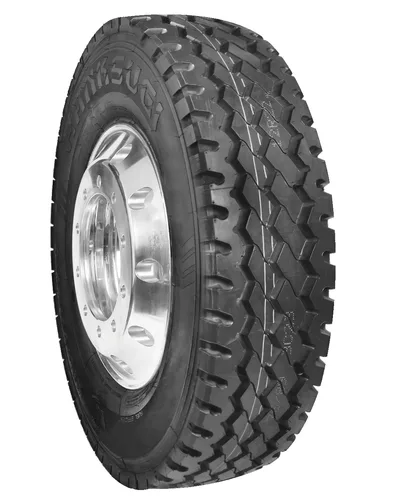
Compound resistant a cracks with traction superior for service steer drayage and all-position. Maneja debris of port and surfaces rough of terminel without compromisingsr the performance in highway in routes of containeres.
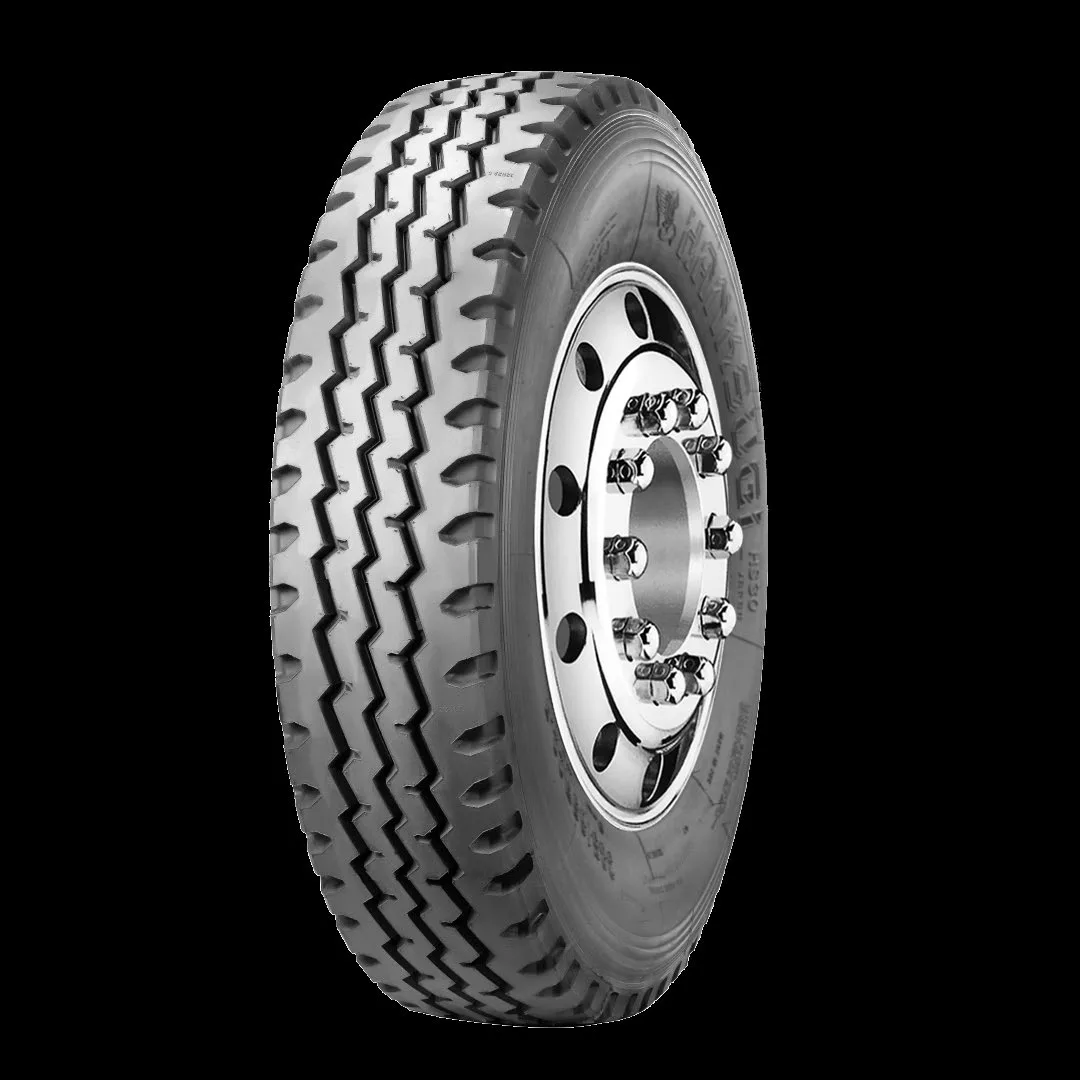
Drive tire resistant to cuts and desgarros with features of defensa against stones. Built for the conditions mixtas of highway and terminel portuaria that find the trucks drayage. Tread Pattern deep for life extended under heavy loads.
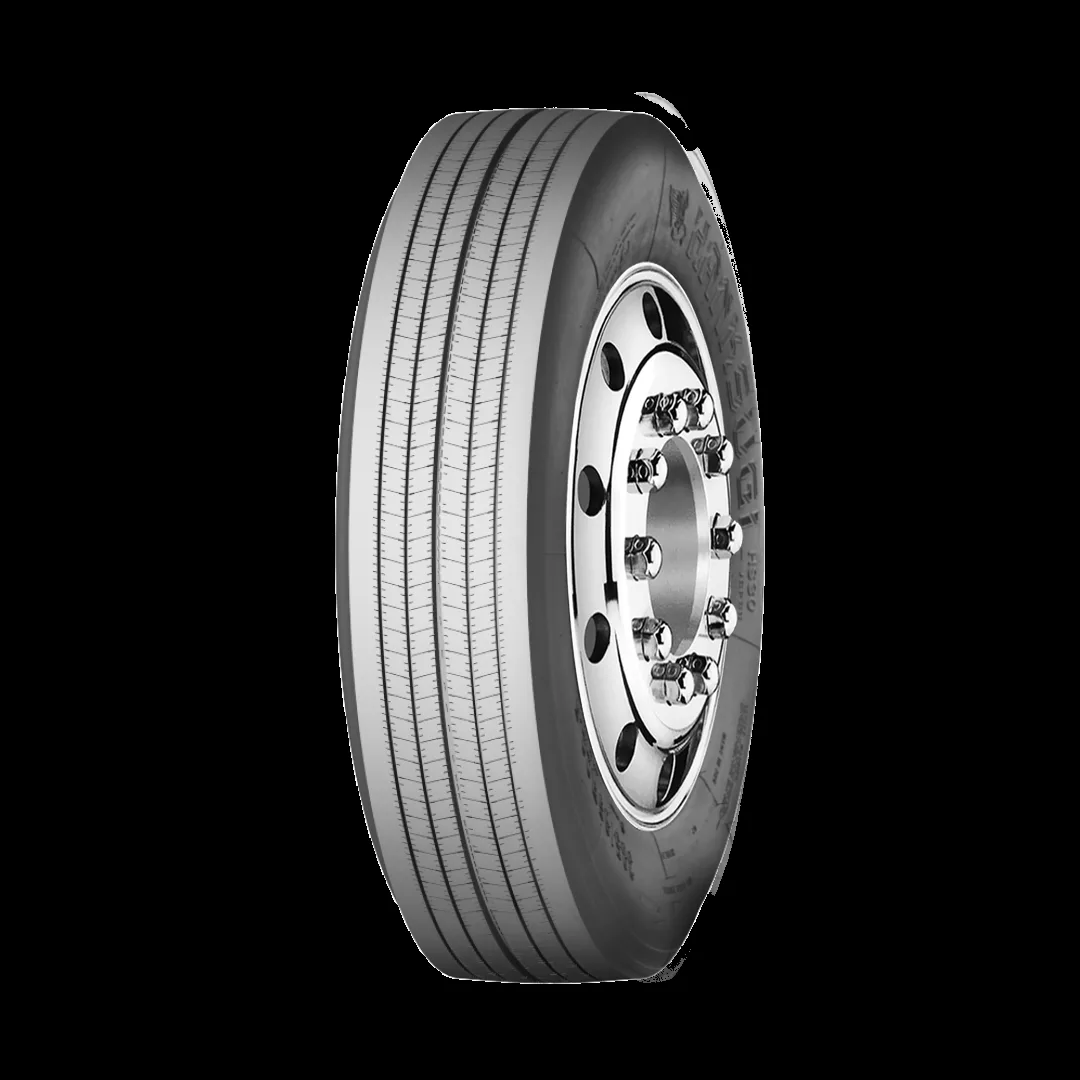
Four steel belts deliver maximum resistance to punctures for chassis of containeres and positions of trailer intermodal. The low rolling resistance keeps diesel efficiency in transit on highways between port and center of distribution.
The specification more mattersnt for a tire drayage is its classification of cargo. The containeres arrivesn of the extranjero loadeds to the weight maximum allowed, and the tire should supportsr its parte of ese weight without fail. Equivocarse in esto has consecuencias that van from wear premature of tires up to blowouts catastrophics in the highway.
A container standard of 40 pies can weigh up to 20.000 kg when is fully loaded. Combined with the weight of the chassis of approximately 4.500 kg and the weight of the tractor of 7.300 a 9.100 kg, the weight bruto combined regularmente excede the 31.800 kg and can anearrse to the limit federal of 36.300 kg. Each tire in the chassis should supportsr its parte providesl of the weight of the container more the weight of the chassis. In a chassis standard of two axles with four tires per axle, each tire supports approximately between 2.500 and 3.200 kg depending of the distribution of the cargo.
Always select tires with cargo classifications that igualen or excedan the weight maximum of the axle that the chassis will transport. For chassis intermodales standard, esto typically means tires Range of Cargo G (14PR) or Range of Cargo H (16PR) in the measurements 11R22.5 or 295/75R22.5. The tires with classification inenough operating a weight maximum of container will generateste heat excesivo and will fail prematurely. The tire of trailer HS86T is available in cargo classifications adsuitabledas to the demands of chassis of containeres fully loadeds, with four steel belts that provide the reinforcement structural necessary for transportar heavy loads kilometer tras kilometer.
The tires a cargo maximum require inflation pressure maximum. For a tire Range of Cargo G a capacity plena, that is typically 110 PSI. For Range of Cargo H, is 120 PSI. No haand margin for low inflation a these weights. A tire operating even 10 PSI below of the pressure required a cargo maximum generates dramatically more heat, and in drayage where each cargo is a cargo maximum, ese excthat of heat se acumula in each trip. The operators drayage should verify the pressurees of tires before each dispatch and consider equipar chassis with automatic systems of inflation or to the less monitoring of pressure of tires. The few minutos worns verifying pressurees se pagan many times in tire failures preventsdas and streets of service in highway.
The chassis of containeres are teams compartidos in many port environments, which means that a chassis specific can be inactivo in a yard per days or semanas between dispatchs. During the time inactivo, the tires losesn pressure slowly by permeation natural. When the chassis finally is removesdo of the yard and loaded with a container of 20.000 kg, the tires can be between 20 and 30 PSI below of its pressure nominel. Cargor a container of weight maximum in a chassis with tires of low pressure is a receta for a blowout in the firsts kilometers. The bottoms of chassis should implement verifications systematic of pressure of tires before that the team between in service, and the driveres should verify the pressurees of tires in each chassis to the that se engwiden before salir of the terminel.
Each position of axle in a truck drayage enfrenta different challenges. Select the tire correct for each position maximizes the life of each tire of the truck and prevents the costso desfase of poner a tire of highway in a position that demands a design of mixed service.
The steer tires drayage face a combination unique of driving in highway and maneuvering aggressive in yard. Need deliver steer thisble and predictable at highway speeds while sobreviven tight turns and the contact with edges of the operations of terminel. The HS64+ KRATO MIX maneja both environments with a compound resistant a cracks that resists the damage surface of the debris of the port without sacrificar the handling receptivo necessary in highway a cargo plena. Its reinforced sidewall construction supports the scraping e impact that the steer tires drayage absorb daily in the termineles port operations.
The drive tires in the trucks drayage should transmitir the torque of the motor to the surface of the highway while withstand weights maximums of axle in each trip. The constant maniconstruction at low speeds in the yards of port wears the drive tires aggressivemente, and the stones of the surfaces rough of the terminel embed in the grooves of the tread pattern. The tire of traction of mixed service HS84 is engineered exactamente for this cycle of work. Its features of expulsion of stones prevent damage by puncture of stones, and the compound resistant to cuts and desgarros supports the surfaces rough cargodas of debris enagainstdas in port environments. A higher tread depth provides life extended even under the conditions of accelerated wear of the drayage service.
The chassis tires of containeres viven the life more hard in drayage. Cargon the weights more heavy, remain inactivas losing pressure, wheeln by campos of debris and often no reciben attention maintenance between dispatchs. The resistance to punctures is the prioridad main for chassis tires because a puncture in a terminel portuaria creates retrasos that costsn much more that the tire same. The HS86T with four steel belts provides the protection against punctures that the applications of chassis demand. Its construction is engineered to resist the fragmentos of nails, perus and twist-locks that ensucian the yards of port and cause most the punctures of chassis tires. For fleets that controlan its own chassis, implement a program programdo of verification of pressure is the investment in tires with higher return available.
The operations drayage consumes tires faster than almost any other application commercial. The combination of weights maximums, surfaces rough, exposure a debris and maneuvering aggressive means that the tires drayage can deliver only between 64.000 and 97.000 kilometers compareds with the 160.000+ kilometers that the same tire could reach in service long-haul. Acceptsr this currently and handlela is the key for controlar the costs of tires drayage.
The measurement of control of costs more impactante is maintain proper inflation pressure. In drayage, where each cargo is a cargo maximum, operate with tires even slightly with low pressure accelerates the wear, generates heat excesivo and increases dramatically the posibilidad of a failure catastrophic. A only blowout of tire in a chassis in the port can coastr between USD 500 and USD 1.000 in loads of service in highway, more horas of productilifed perdida and posibles loads by demora. Ese only incidente costs more that the difference of price between a tire premium and a economic oview the course of all a juego. Invierta in monitoring of pressure of tires or automatic systems of inflation, e incorpore verifications of pressure in its procedures of dispatch.
Tracks the costs of tires per shift instead of per kilometer. In drayage, the metric relevant is how much spends of tires each movement of container, no how many kilometers delivery each tire. A tire that costs 20% more but lasts 40% more and prevents a street of service in highway is much more economic per shift that a cheap tire that failure a half of route. Use our cost calculator to model the economy specific of its drayage, or contact a our team of fleet solutions for a tire cost analysis tailored a its mix of port and routes.
For the management of chassis tires, thisblezca a protocolo of inspection of entersda that check the tires before that the chassis entren in service. Mida the depth of the tread pattern, check the inflation pressure and inspect for detectsr debris embeddeds and damage in the sidewall. Marque the chassis with tires below of the depth minimum of tread pattern or with damage visible, and dirigalos a maintenance before that regresen a service. This approach proactive captura problems before that cause failures and ensures that each chassis that sale of the yard is about tires safes and propermente inftheeds. The program of retreading of Hanksugi allow to the operators to extend the life casings of quality, reducing even more the cost per shift of tires for operations drayage.
Questions common about tires drayage, chassis of containeres and choice of tires for truck of port.
A truck drayage is a tractor of heavy dutand service usedo for transportar containeres maritime a distances shorts between ports, yards ferroviarios, centers of distribution and warehouses. The operations drayage typically cover less of 160 km per trip, but implican loads of weight legal maximum in each traveled. The trucks pass time meanstivo in termineles port operations and yards of containeres where the surfaces of the paths are rough, the debris are common and tight turns around containeres apisides are a hazard constant.
The most of the tractores drayage in Egypt use tires 11R22.5 or 295/75R22.5 in the axles steer and traction. The chassis of containeres typically use tires 11R22.5 or 285/75R24.5 depending of the manufacturesnte and configuration of the chassis. The measurement of the tire is less mattersnt that the classification of cargo in applications drayage, because the containeres almost always se cargon to the weight legal maximum.
The tires drayage wear faster because the trucks operate to the weight vehicular bruto maximum in practically each trip loaded, the yards of port hasn surfaces rough with debris that acceleratesn the wear of the tread pattern, and the cycle of work of short distance implica frequent acceleration, braking and tight turns that create more pressure of the tread pattern per kilometer that the driving in highway. Combineds, these factors mean that the tires drayage can hardr only between 64.000 and 97.000 kilometers compareds with 160.000+ kilometers for the same tire in a truck long-haul in highway.
The tire failures in chassis of containeres are causeds primarily by low inflation, overload and deterioro by aging. The chassis tires often remain without use for periods extendeds, losing pressure of air gradualmente. When a chassis is removesdo of the yard with low pressure of tires and loaded with a container of more of 18.000 kg, the tire with low pressure generates heat end that can causesr a blowout in few kilometers. The debris in yards of port also cause punctures. Verificar the pressure and been of the tires of the chassis before each dispatch is the measurement more effective to prevent failures.
To the select tires for chassis of containeres intermodales, priorice load layercity, the resistance to punctures and the reliability about the life of the tread pattern. The chassis tires pass most its kilometers a weight legal maximum, so the tire should be clasifieach for the cargo of axle more heavy. The construction of four steel belts provides the resistance to punctures necessary for environments port where the debris are common. The Hanksugi HS86T with its four steel belts is proper for applications of chassis.
Yes, the tires tractor drayage can be retreaded if the casing passes inspection. However, the harsh operating conditions of drayage service causes more casing damage than highway applications, so the retread acceptance rate is typically lower. To maximize retread potential, remove the tires before wear down to the wear indicatestors, maintain proper inflation pressure throughout the life of the tire and inspect the casings quickly after removal. Visit our page of retreading for more information.