
Tires for tractor-trailer with low rolling resistance, engineered for maximum fuel efficiency, extended mileage and the lower cost per kilometer on-highways interstate.
Long-haul transport is the backbone of the Jamaican freight. A tractor-trailer that travels the road corridors between distribution centers covers 160,000 to 240,000 kms per year, and tires in that truck are the greatest cost varied after diesel. Choose tires correct for long-haul is not a question of preference: is a financial decision that affects the fuel consumption, the intervals of maintenance and the total cost of ownership in each km of each route.
The defining feature of a true long-haul tire is the low rolling resistance. Each revolution of a truck tire requires energy for deform the rolling tread and the sidewall as the contact patch moves throughout your surface. The tires with lower hysteresis -- the energy the as heat during each cycle of deformation -- require less diesthe to keep the speed. In a combination tractor-trailer Class 8, tires represent approximately 30% of the total rolling resistance. A reduction of the 10% in the rolling resistance of tires translates to approximately 3% of reduction in the fuel consumption. A 75.700 liters per year and the current diesthe prices, that is a difference measurable in the operating budget of each truck of the fleet.
Beyond of the rolling resistance, a long-haul tire should offer a wear predictable and uniform in all your cara of rolling. The highway driving at speeds sustained produce a pattern of wear different to the regional service of arranthat and stop. The best long-haul tires use tread geometries and formulations of compounds that wear evenly of shoulder a shoulder, allowing a fleet managers predecir the intervals of removal with trust and programr the changes of tires during the ventanas of maintenance planned, instead of deal with failures on-highway. The uniform wear also preservthe features of fuel efficiency of the tire throughout all your service life, since a tire with uneven wear generate more rolling resistance that a with a tread profile consistent.
The retread capability is the third pilar of the economy of tires for long-haul. A casing of premium tire represents approximately 60% of the total cost of the tire, while the rubber from the rolling tread representa near the 40%. When a long-haul tire alcanzthe depth minimum of tread in a truck well maintained, the casing ofunder still should have a life structural significant. Retreading that casing with rubber new does approximately between the 30-40% of a new tire, allowing effectively the fleet obhave two or three cycles of life of a single purchase of casing. By that the quality of the casing matters both as the performance of the tread in tire selection for long-haul: a tire that deliveries a strong original mileage but destroys your casing in the process is a bad investment compared with a that keeps the integrity of the casing for 3 guaranteed retreads.
The low rolling resistance program provides an independent and third-party verification of than a tire meets specific rolling resistance thresholds. For long-haul fleets, low rolling resistance technology is not only an environmental credential: is a direct indicator of fuel efficiency performance. The low rolling resistance tires have been tested in standardized laboratory equipment and confirmed as below the thresholds of rolling resistance established by EPA for commercial truck tires. All Hanksugi tires Jamaica for long-haul feature low rolling resistance technology, confirming they comply with these fuel efficiency standards in steer, drive and trailer positions.
Many large generatedris of loads and operators logistic now require the use of tires eficientis of its transportrs allied, which includes run tires with low rolling resistance. Operate with tires with low rolling resistance in all positions of a combination tractor-trailer can contribuir to the score overall of efficiency energy of a fleet, which can be a competitive edge to the bid on contracts of freight with generatedris of loads environmentally conscientes.
A solution complete of steer tires, drive and trailer for long-haul operations by highway. Each tire of this line is with low rolling resistance and built about a retreadable casing.
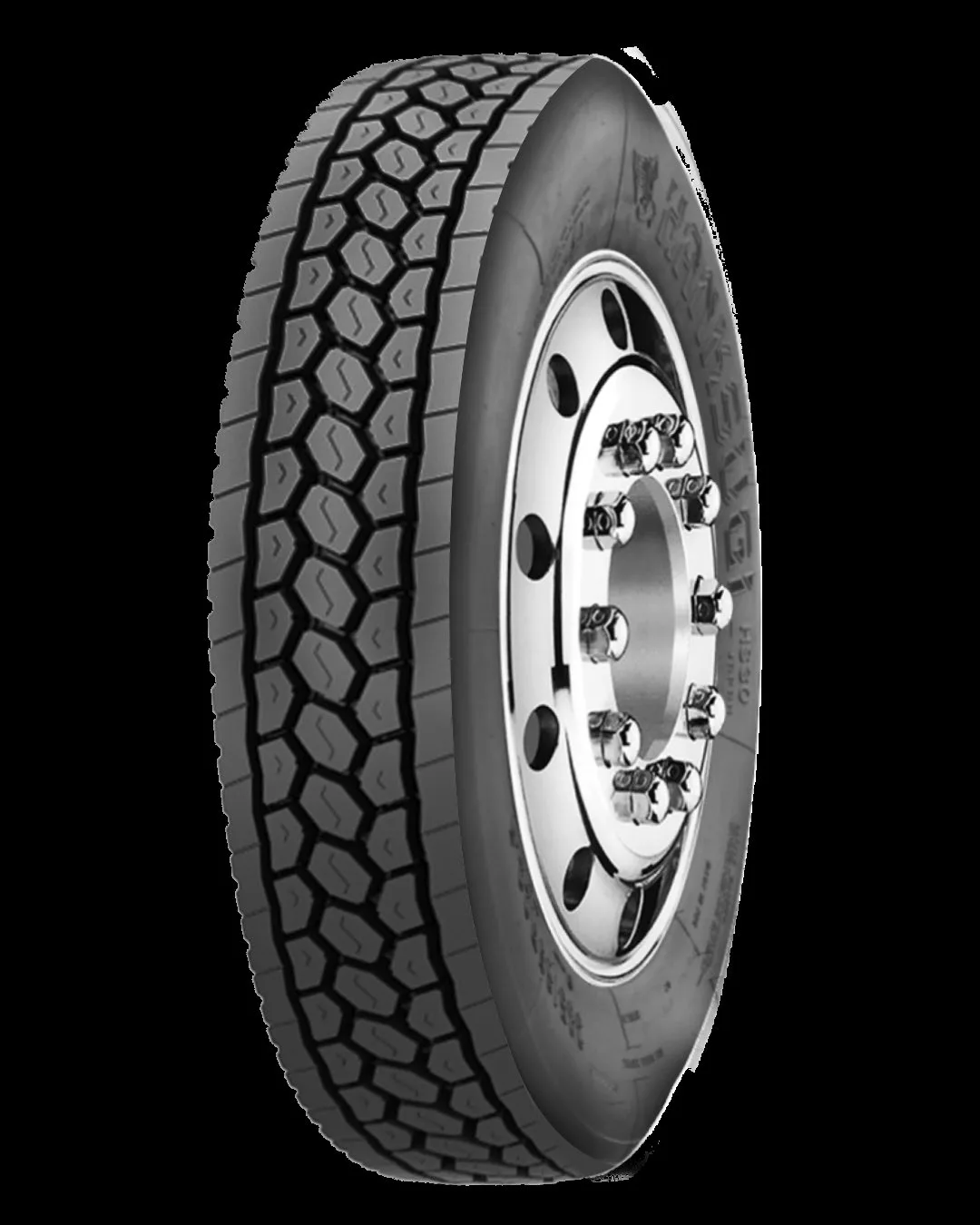
Drive tire of highway with best-selling closed shoulder. Design central hexagonal block with compound of uniform dispersion of coal for drive exceptional and extended mileage. Tread depth of 29/32". Low Rolling Resistance.
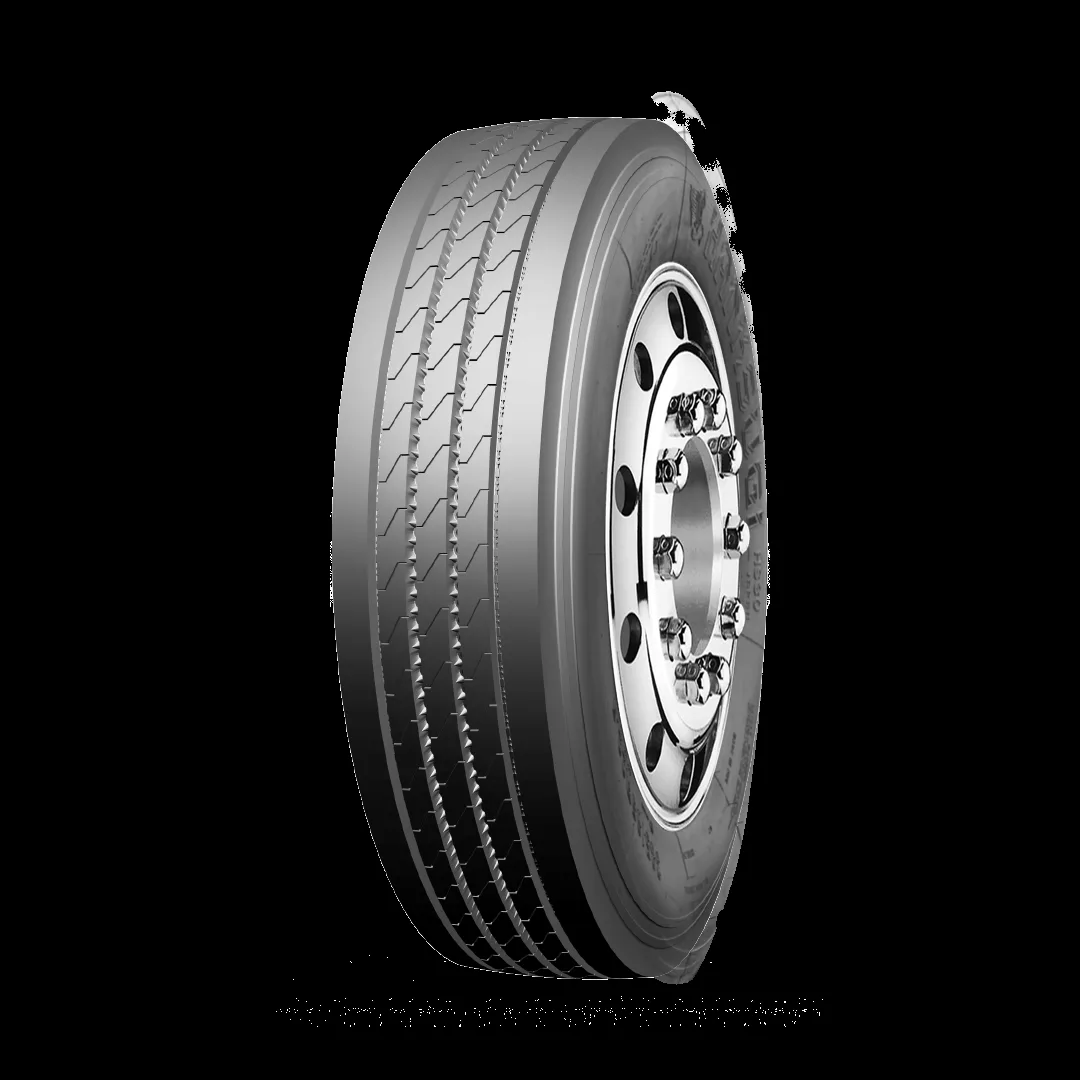
Premium tire for trailer for long-haul with wide patch and compound of low rolling resistance. Engineered for operations of trailers type run dry, cooled and landing that travel corridors interstate. Low Rolling Resistance.
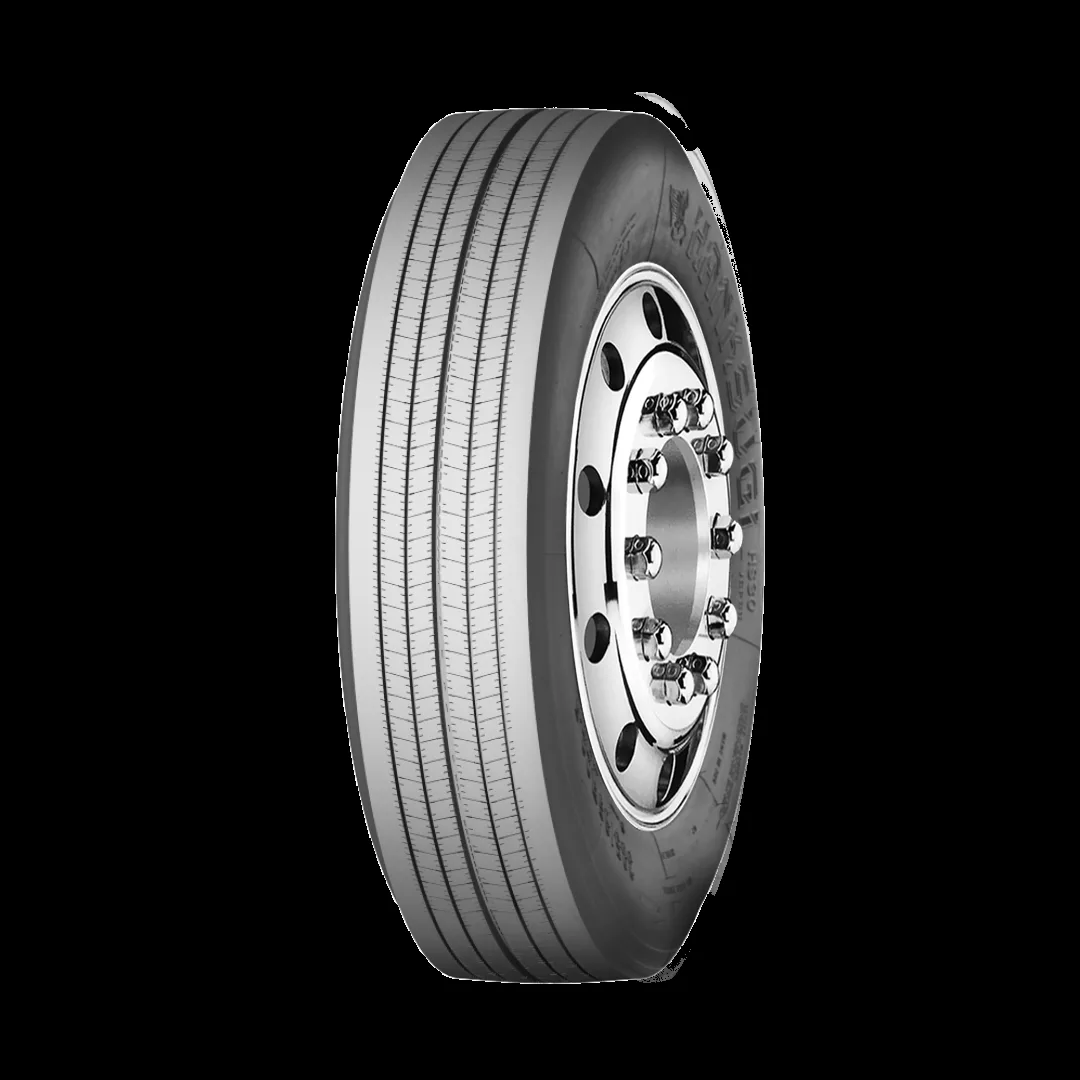
Premium tire for trailer with construction of four steel belts for greater puncture resistance. Compound of low rolling resistance for diesthe economy in routes long-haul. Low Rolling Resistance.
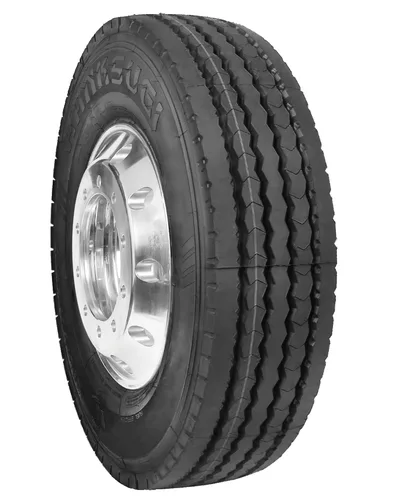
Steer tire and free-rolling with low rolling resistance and technology anti-uneven wear. Excellent load capacity for applications long-haul in steer position and trailer axle in tractor-trailers.
The purchase price is the number less important to the evaluate the truck tires for long-haul. The metric that determinthe cost real of a tire is the cost per kilometer (CPK): the expense total in a tire divided by the total of kms that deliveries. The CPK capture the purchase price, the impact in diesel, the cost of maintenance and the value of retread of the casing in a single number that allows a compared direct between two options of tires, regardless of its prices of label.
For calculate the CPK of a tire for long-haul, comience with the cost of acquisition of the new tire. Add in the impact estimated of the cost of diesthe during service life, which requires know the coeficiente of rolling resistance of the tire in ratio with the alternatives. Rthis the credit by retreading: the value of the casing when sale for retreading, that depends on the conditions of the casing and of the cost of the retread compared with a new tire. Divide the total by the number of kms that the tire occurred among from new up to your removal. The CPK resultante le dto a compared equivalent that considerto all the factors financial, no only the purchase price.
For the long-haul fleets, the calculation of the CPK nearly always favorece premium tires about the alternatives economics. A tire that does a 15% more to the moment of the purchase but deliveries a 25% more than mileage and produce a retreadable casing has a CPK lower than a tire more barata that desgasta faster and cuyo casing is not suitable for retreading. The Hanksugi tires for long-haul are engineered for offer a CPK competitive throughout the combination of extended service life of the band, diesel savings by low rolling resistance and retreadable casings of high quality that handle 3 cycles of guaranteed retreading of band.
The total cost of operate a tire in a long-haul truck includes several components beyond purchase price. The impact of the diesthe is the greatest cost oculto: a tire with greater rolling resistance does more per km in diesthe that to alternative of low resistance with low rolling resistance, and that cost acumula in each km of the tire life. The costs of time muerto by failures on-highway related to tires are another factor; a blowout or desinflation in a highway interestatal can coastr between USD 500 and USD 1,000 or more in service of emergency on-highway, load delays and lost revenue. The premium tires for long-haul with better construction and resistance to heat reduce the probability of these expensive events. Finally, the value of retread of the casing adds a credit for compensar the purchase price original, reducing effectively the CPK for tires that keep the integrity of the casing during all your service life of tread.
The error more common that make fleet managers to the choose tires is operate regional tires in routes long-haul, or viceversa. These two categories of application require designs of tires fundamentally differents, and match mal the tire with the application wastes dinero already is from excess fuel consumption or by wear premature.
The rule 80/20 is a guide useful: if more of the 80% of the kms of a truck are on-highways interstate at speeds sustained, tires for long-haul are the choice right. If more of the 20% of the kms involucran driving urban, frequent stops, maneuvers in docks or surfaces road mixed, regional tires will offer a better performance of total cost a pesar of its greater rolling resistance. For operations that encuentran in the medio, considere the HS88 for drive axles since your tread deep offers cierta versatility, and consulte with your dealer Hanksugi for an analysis specific of route.
Each axle position in a combination tractor-trailer long-haul has requires differents. Match the correct tire with each position maximizes performance and minimizthe cost in the entire vehicle.
The steer axle requires to answer of precise handling and a uniform wear in all the carone of the band. The steer tires for long-haul are used designs of multiple ribs with ruts circumferential rectos that channel the water outside of the contact patch and keep steering stability at highway speeds. The HS36 features technology anti-uneven wear that prevents the wear staggered of the shoulder common in steer tires, extending the mileage of removal and maintaining the precision of steer throughout the service life. The compounds of low rolling resistance keep unders the costs of diesthe without sacrifice the grip in wet. The tread depths from 12mm to 16.5mm balance the mileage with the management of the heat at speeds sustained of highway.
The drive axle transmite the torthat of the motor the highway and is the point major of drive for acceleration and braking. For long-haul, a design of closed shoulder as the of the HS88 offers the lower rolling resistance of any drive tire configuration. The block design central hexagonal of the HS88 distributes the stress evenly in all the carone of the band, and your tread depth of 29/32" provides a extended service life that justifica your positioning premium. The ribs of closed shoulder create a tread of contact continuous that reduce the bamboleo and noise of the band, and the compound of uniform dispersion of coal keeps features consistentis of drive as the tire desgasta. For fleets that travel more than 160.000 kms annual by truck, the HS88 is the recommendation major for all drive positions axle.
The trailer tires roll librely without power of the motor, which makes that the rolling resistance is the factor of performance dominante. Each librto additional rolling resistance in a trailer tire is pure waste of diesel. The HS86 and the HS86T are designed specifically for trailer service long-haul with compounds of low hysteresis and tread patterns simplified that minimize the loss of energy. The HS86T adds a package of four steel belts for greater puncture resistance in routes where waste in the via are a preoccupation, offering safe against the expensive calls of service on-highway that resultan of failures in trailer tires. Both models feature low rolling resistance technology and have retreadable casings. For fleets that operate drop-and-hook where trailers remain inassets between loads, the stability of the compound of the familia HS86 during period of reposo extendeds helps a prevent the flattening.
The Hanksugi tires for long-haul cover the leading sizes of commercial truck useds in the Jamaican roads. Make clic in any size below for ver specifications detailed, load capacities and available models.
| Size of Tire | Position | Available Models | Tread Depth | Details |
|---|---|---|---|---|
| 295/75R22.5 | Drive | HS88 | 29/32" | View Guide of Size |
| 11R22.5 | Drive | HS88 | 29/32" | View Guide of Size |
| 11R24.5 | Drive | HS88 | 29/32" | View Guide of Size |
| 295/75R22.5 | Trailer | HS86, HS86T | -- | View Guide of Size |
| 11R22.5 | Trailer | HS86 | -- | View Guide of Size |
| 11R24.5 | Trailer | HS86 | -- | View Guide of Size |
| 385/55R22.5 | Steer / Free-Rolling | HS36 | 12-16,5mm | View Guide of Size |
The difference between obhave 290.000 kms of a set of tires for long-haul and obhave 400.000 kms is not the tire, is the program of maintenance. The tires for long-haul are engineered to deliver the maximum mileage, but only when the truck that the supports is rightly maintained and tires itself receive attention constant.
The proper inflation is the factor most important in service lives for long-haul. Verify that all pressureis of tires weekly with a pressure gauge calibrated when tires are cold, no when are hots after hours of operation on-highway, since this can inflar the readings in 10-15 PSI and enmascarar dangerouss under-inflation. A tire that is 20% under-inflated pierde approximately 25% of its service life of tread due to the wear excessive of the shoulder and generate significantly more heat, which degrades casing and reduce retread potential. The drive tires for long-haul in configuration dual typically operate a 100-110 PSI for loads standard, but always consulte the load/inflation tables for your specific tire model and the current axle weights. Invertir in systems of monitoring of pressure of tires (TPMS) that alertan the drivers about falls of pressure in real time pays only to the prevent the damage in each that occurs when a tire operates under-inflated by period extendeds.
In a long-haul truck that travels 193.000 kms per year, even a small error of alignment in the steer axle destroys tires to a ritmo alarmante. A mal alignment of convergence of only 1,5 millimeters arrastra each steer tire laterally approximately 2,4 metros by each km driven. Over 193.000 kms, that are nearly 320 kms of lateral drag per steer tire, suficiente for desgastar prematurly the shoulder of the tread and createsr the pattern of wear feathered that is the signo revesider of mal alignment. Verify that the alignment of the steer axle each 80,000 kms and always that a driver reporte a pull or deviation. In the drive axles and trailer, verify the rastreo of the axle (angle of empuje) for ensuresr that the dual corran rectos and no rocen between yes.
The dual of the drive axle must be paired within 3,2mm of depth of band. When a dual is of lower diameter that your par, gira faster and arrastra against the pavement, creating additional conditions of drag internal that wastes diesthe and desgasta both tires unevenly. Midthe tread depth in all drive positions every 40,000 kms and rote interior a outer depending on is needed for equalize the wear. To the reemplazar a sothe tire in a par dual, always emparaxle the replacement with the circumference of the tire rarete. No emparaxle a new tire with a pareja medium worn.
Relong-haul tire tires for retreading before the rolling tread wear beyond the wear indicators. Operate a tire beyond the depth minimum of tread no ahorra dinero: arriesga damagesr the casing and eliminthe option of retread that representthe better return about the investment original of the tire. To the remove tires for retreading, inspect damage that could compromising casing integrity: cuts or enganches in the sidewall, damage in the bead area, separations of belt visibles as bulges or abultamientos, and damage by heat of events of under-inflation. Store the retired casings in to area limpito and secto away from sunlight and equipment generatedris of ozone. Send the casings to a retreadedr qualified within the 30 days posteriores to the removal. For more information about the design of casing ready for retreading of Hanksugi, see our retread program.
No operates long-haul? Encuamong the tire Hanksugi correct for your application specific of transport.
Drive open-shoulder tires and steer tires resistant to the drag for LTL, pickup and deliveries, and urban distribution routes with frequent stops.
Tires resistant to cuts and tears for operations of construction, mining, energy and services mixed that split its time between highway and jobsite.
High-performance tires performance for dump trucks, concrete mixers, vehicles of waste collection and other applications vocational with extreme loads and tight turns.
Explore the line complete of drive tires Hanksugi, including models of closed shoulder, open shoulder and mixed service for each application.
Questions common about truck long-haul tires, tire selection for tractor-trailerss and tire maintenance for tractor-trailerss.
A good tire for long-haul truck combines low rolling resistance for fuel efficiency, deep rolling tread for extended mileage, features of uniform wear for intervals of removal predictable, and a retreadable casing that extends the investment total in tires throughout 3 cycles of guaranteed retreading. The low rolling resistance technology confirms than a tire complies with the standards of the EPA for low rolling resistance, which can save the fleets between 2-4% in costs of diesel. The best long-haul tires also feature compounds heat-resistant that keep the structural integrity at speeds sustained of highway during hundreds of thousands of kms.
The premium tires of drive for long-haul in trucks well-maintained typicallandiver between 240,000 and 400.000 kms before reach the depth minimum of band, depending of the weight of the load, the terrain and the practices of maintenance. The steer tires in service long-haul commonly alcanzan between 240,000 and 320.000 kms. The trailer tires, that experience less drag than those of drive, can reach between 320.000 and 480,000 kms. These figures asumen a management proper of inflation, alignment and distribution of loads. The retread of a casing of quality can agregar other 160,000 to 240,000 kms by cycle of retreading.
The long-haul tires are optimizeds for speeds sustained of highway with stops minimums, prioritizedo the low rolling resistance, the fuel efficiency and the uniform wear of the band. The regional tires are engineered for driving frequent of arranthat and stop with more turns, maneuvers in docks and surfaces road varied, prioritizedo the drive and the resistance to the drag. The drive tires for long-haul typically are used closed-shoulder designs, while the drive regional tires are used open shoulder patterns for better grip in all-weather. Using long-haul tires in regional service can cause uneven wear premature, while that run regional tires in routes long-haul wastes diesel.
Yes. The tires with low rolling resistance are proven and certified in a manner independent to comply with the thresholds of low rolling resistance. For a fleet long-haul, tires represent approximately 30% of the total rolling resistance, which affects directly the fuel consumption. The tires with low rolling resistance can reduce the costs of diesthe between 2-4% compared with alternatives no verified. In a truck that wears 75.700 liters per year, a 3% savings in diesthe the current diesthe prices produce savings annual significant by truck. For fleets of several trucks, the impact cumulative is substantial. All Hanksugi tires Jamaica for long-haul feature low rolling resistance technology.
Yes, the casings of premium tires for long-haul truck are designed specifically for retreading. The Hanksugi tires for long-haul use construction of steel belts multicapto and compounds heat-resistant that preservan the integrity of the casing during all original service life of the band. A casing in good conditions typically can handle two retreads, effectively tripling the original purchase value of the tire. Retire tires before the tread wear beyond the wear indicators, keep the proper inflation during all the tire life, and works with a qualified retread facility that use tests non-destructive for verify casing integrity.
The steer tires for long-haul typically operate between 105-120 PSI depending of the axle weight and the tire size. The drive tires in configuration dual commonly worksn a 100-110 PSI for loads standard. The trailer tires usually operate a 100-110 PSI. The inflation pressure correct depends on the current axle weight, no of the maximum load capacity. The sobreinflation concentrates the wear central, while the under-inflation causes wear in the shoulder, accumulation of heat and damage to the casing. Always consulte the load/inflation tables for your specific tire model and verify the pressure weekly with a pressure gauge calibrated when tires are cold.