
Drive open-shoulder tires and all-position tough tires to the scrubsdo, built for LTL, pickup and delivers, and urban distribution operations.
Regional transport covers the middle ground between long-haul interstate operations and local pickup and delivers routes. A typical regional truck operates within a 320–800 km radius of its home terminal, running routes with multiple stops that combine highway stretches with urban and suburban deliveries. LTL carriers (less-than-truckload), food distributorsentos and bebidas, deliveries of supplys of construction and consolidatesdoris of loads overall encuentran all in the category of regional transport. These operations impose a set specific of demands about tires that ni the purly long-haul ni the purely urban can handle on their own.
The defining challenge of regional transport is the variety. In a single run, a regional truck can travel at 105 km/h in a highway during 160 km, then navigate through urban streets with potholes and railroad crossings, back into a narrow dock with tight steering turns, and repeat that cycle four or five times. The tires of that truck must handle sustained highway speeds without overheating, provide drive in urban streets wet, resist lateral scrubbing forces from tight turns at loading docks and survive contact with curbs without sidewall damage. No long-haul tire can handle dock maneuvers, and no purely urban tire offers acceptable fuel economy on highway stretches.
The tires of regional transport resolve is problem with compromises of engineering specific. In the drive axle, the tread open shoulder patterns sacrifican algo for rolling resistance versus the closed-shoulder designs of highway, but ganan the drive critical in wet and the trust in all-weather that the regional drivers need. The independent blocks of the shoulder in a drive tire of open shoulder muerden the pavement wet during the rain, and the areas of empty more wides evacuan the water of the area of contact faster than the alternatives of closed shoulder. In the steer axle, regional tires use compound formulations that resist wear by scrubbing caused by frequent turns, and constructionis of casing that protegen against the impact damage of potholes and impacts in curbs that are part of each route regional.
For fleet managers operating regional routes, the tire-selection decision reduces to balancing fuel efficiency with durability and grip. A tire that saves 2% on diesel but wears 30% faster on regional routes is not a good trade-off. A proper regional tire offers acceptable fuel economy in highway stretches while thriving under stop-and-go conditions, intense turning and varied weather that define the regional work cycle.
Drive open-shoulder tires, mixed service and all position, engineered for the demands of stop-and-go of regional transport. Superior drive in wet and resistance to scrubbing for routes that combine highway driving and urban.
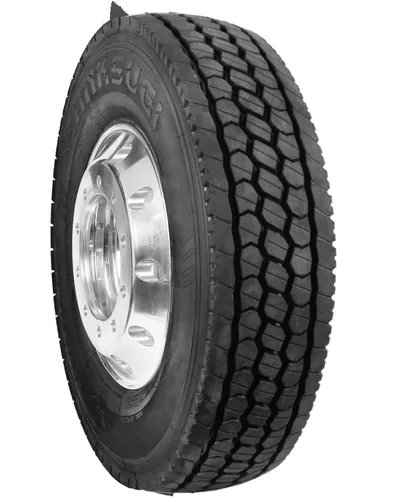
Drive tire regional of open shoulder with protection of stone-deflector, tread patch wide and four grooves of decoupling for a superior drive in wet and in all-weather. The drive tire preferred for operations LTL and P&D.
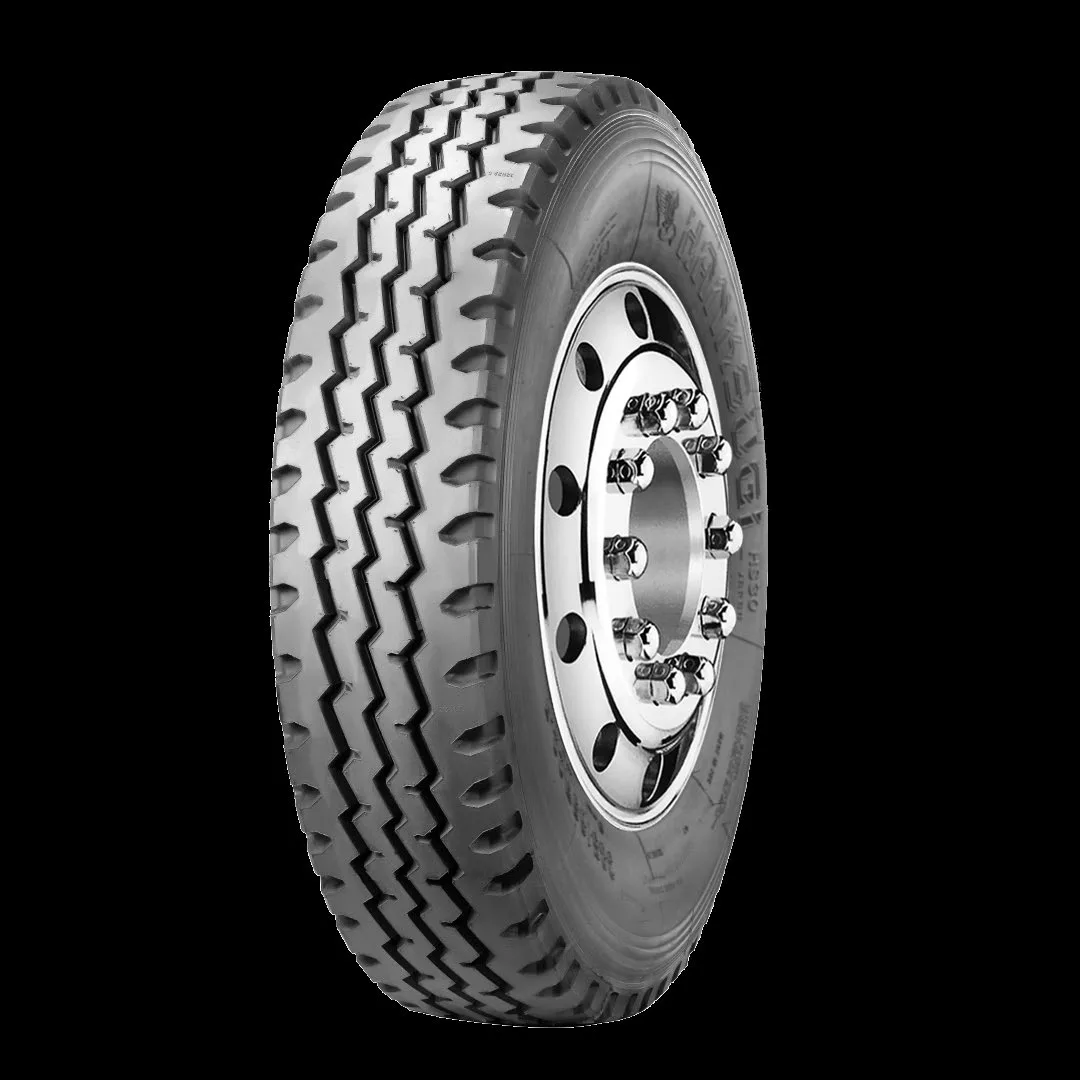
Drive mixed-service tire with advanced compound resistant to cuts and chips and features of defense vs stones. Ideal for regional routes that atraviesan construction zones, yards of gravel and unpaved surfaces.
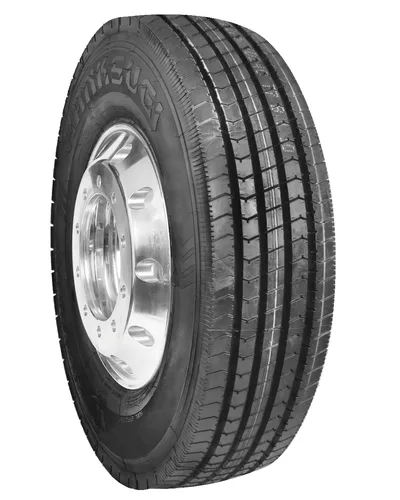
Tire of all position with excellent performance in wet and dry and retreadable casing. Rolling tread extra deep of 15,5 mm with protection in the sidewalls for regional transport in steer, drive and trailer positions.
No all regional operations are iguales. The demands of tires vary significantly depending on the specific type of regional transport, the load and the environment of delivers. Understanding your type of operation helps reduce tire selection the models that will offer the better performance of total cost.
LTL carriers face the most demanding environment for regional tires. A typical LTL truck makes between 8 and 15 stops per day, with maneuvers frequent of retrocthat toward docks that generate high lateral forces in the drive tires and steer. The cycle constant of stop-start-giro desgasttires faster than any other application regional. The HS68 excels in service LTL because their design of open shoulder resists the uneven wear that destroys the closed-shoulder tires in operations with high number of stops. The wide patch of the rolling tread distributes the forces during the dock maneuvers, and the protection of stone-deflector prevents damage by the waste commonly found in zones of delivers industrial.
The operations of pickup and delivers combine the often of stops of the LTL with the challenge additional navigating by areas residenciales and commercial with streets narrow, parkings adjusted and traffic heavy. The driveris of P&D run more turns per km that any other application of transport, which generates a scrubbing meant in the steer tires. The contact with curbs during parking paralelo and stops of delivers is a risk constant for the sidewalls. For operations P&D, the all-position tire HS76 offers versatility across positions of the axle, simplifying the management of inventory for fleets more small, while its protection in the sidewalls handles the exposure to curbs propione of the routes of delivers urban.
The distributors of food and beverages often transport heavy loads in routes with multiple stops, with boxs of product stacked to the gross maximum weight vehicular. The combination heavy-loads and frequent stops somete the drive tires to the maximum effort, acceleratedo both the tread wear as the heat generation. These operations also run in hours tempranas of the tomorrow and afternoons of the noche, when the highways wet and the visibility limited increase the matterce of the drive. The HS68 offers the seagin of safety in drive in wet that the operators of food and beverages need, while its rugged constructionust handles the heavy loads that come with the paletas completes of product.
The trucks of deliveries of construction materials split its time between paved highways and access roads a construction sites. The tires face a gravel, broken concrete, debris of timber with nails and areas unpaved additionally, the driving standardl on-highway. This work cycle in mixed surfaces demands a tire that can handle both environments without premature failures. The drive mixed-service tire HS84 cierra is brecha with a resistant compound a cuts and chips that withstands the waste of the site of jobsite while keeps acceptable performance on-highway. The features of expulsion of stones preventsn the damage by drilling of stones common in access roads of gravel.
In the transport of long-haul, deeper tread means more km and lower cost per km,. In the regional transport, the calculation is more complex because a deeper tread also means greater rolling resistance, which burns diesel on each km, and the regional trucks burn more diesel per km that long-haul trucks due to energy wasted in constant cycles of acceleration and braking.
A regional drive tire with tread depth of 26/32" generates notably more rolling resistance than one with depth of 22/32", simply because there are more rubber to flex in each revolution. For a truck long-haul traveling 965 km of straight highway, the deeper tread pays for itself in extended mileage. For a regional truck making 15 stops in 320 km, the deeper tread can cost more in diesel than it saves in extended service life. The optimal depth for regional applications balance sufficient rubber for durability against the diesel penalty of excess tread mass.
The regional tires Hanksugi are calibrated for is commitment. The HS68 uses a tread depth that provides a extended service life without the penalty for rolling resistance of a pattern long-haul excessively deep. The compound of the tread is formuside to resist the scrubbing and the thermal cycles of the driving of stop-and-go, which means that the tire keeps your performance features even while wears, instead of returnse progressively more hard and less adherente as make some compounds long-haul in regional service.
The fleet managers a times rechazan tires specific regional because the numbers of fuel efficiency ven worst that the alternatives long-haul in the papel. But thats numbers in papthe asumen sustained highway speeds. In regional service real, the diesel penalty of slightly higher rolling resistance of a tire regional compensa with three factors: firsto, regional tires resist better the uneven wear than those long-haul in service of stop-and-go, which means that duran more before reach the depth minimum of the band. Second, regional tires provide better drive in wet, reducing the risk of accidentes and the costs catastrophics associated with incidentes related to the drive. Third, regional tires keep wear patterns more consistent, which means performance more consistent and less changes of tire a middle of intervalo that interrumpen horarios and generate costs laborales additional. When calculating total cost of ownership throughout all the tire life, tires specific regional nearly always exceed the long-haul used in regional service.
Understanding the differencis of engineering between regional tires and the long-haul helps a fleet managers a make decisions informed about what tire pertenece a what truck.
Regional trucks are more demanding on tires than long-haul trucks, which means that the discipline of maintenance matters even more. The frequent stops, the turns and the surfaces varied of the regional service create opportunities of wear and damage that no existen in the straight driving of highway. A program of maintenance proasset focused in the challenges specific of the regional operations can extend the tire lives by 20-30% compared with to approach reasset.
The regional trucks golpean more potholes, railroad crossings and uneven surfaces per km that the trucks of long-haul, and each impact can shiftsr the configurations of alignment. Check alignment of the steer axle each 64,000 km for regional trucks, compared with each 80,000 km for long-haul. Is atento to the wear in way of pluma in the carone of the band, that indicates misalignment of convergence, and to the wear staggered in the shoulder, that points a problems with camber. Many regional fleets discover that invertir in a banco of alignment internal pays for itself within the first year to the detect and corregir the deviation of alignment before they destroy tires.
The thermal cycles that experimentan regional tires —reheating in highway stretches, cooling at stops, reheating again— make that the pressure is more volatile that in the service of long-haul, where tires alcanzan a temperature of state stable and remain thus during horas. Check pressures daily before partir with a measuredr calibrated. Regional drive tires in configuration dual typically work a 100-110 PSI, but confirme with the load tables/inflation for your tires specific and loads reales. The low inflation is the major causis of premature failure of regional tires because the flexing repeated of the driving of stop-and-go generate much more heat in a tire with low inflation that the driving sustained on-highway.
The regional tires face amenazas in the sidewalls that long-haul tires rara time encuentran: impacts with curbs during aproximaciones a wharfs, impacts of potholes in areas urban and contact with parachoquis of loading docks and barandas. Betweenne the drivers for inspectionar the sidewalls in search of cuts, rasgones and bulges during the inspections previas and after to the trip. A cut in the sidewall that exposes the cuerdas of the casing will carry to a blowout if not detecta. The bulges indicate damage internal in the plies of the casing, often by a impact of bache, and require immediate removal of the tire. Detect a time the sidewall damage prevents expensive on-highway failures and preserves the casing for a possible retreading.
The casings of regional tires can retreading, but the conditions of the casing ofpends in great size of the practices of maintenance during the life original of the band. A tire regional that worked with low inflation or suffered damage by bordillo no restandings can no producing a retreadable casing, while that a well-maintained yes the will make. Retire tires in the depth minimum of the band; no the axlecute up to the bars of wear, since the thin rubber rarete generates a heat excessive that can damaging the casing. The retread program from Hanksugi verificthe casing integrity through tests non-destructive before accept the casings for retreading, ensuring that only the casings sanas reciban a new band.
Encuamong the tire Hanksugi proper for your specific operation of transport.
Highway low rolling resistance tires for operations interstate. Steer tires, drive and trailer with low rolling resistance for maximum fuel efficiency.
Tires resistant to cuts and chips for operations of construction, mining and mixed service in unpaved and uneven surfaces.
Service tires heavy for dump trucks, concrete mixers, vehicles collectors and applications vocational with extreme loads.
Line complete of drive tires: models of closed shoulder, open shoulder and mixed service for highway applications, regional and all-terrain.
Questions common about truck tires of regional transport, tire selection of route short and tire maintenance for deliveries urban.
A truck tire of regional transport is engineered for commercial trucks operating within a radius of 320 to 800 km of its home terminal, running multiple stops per day across a mix of highways, secondary highways and urban streets. Unlike long-haul tires that prioritize low rolling resistance for sustained speeds, regional tires prioritize grip, scrub resistance and durability under lateral forces and frequent braking that characterize stop-and-go operations. Regional drive tires typically use open-shoulder patterns for grip in wet weather.
The regional trucks experimentan forces fundamentally different. A truck long-haul can make of 2 a 3 stops per day a speed of highway. A regional truck can make of 10 a 20 stops with frequent turns, aproximaciones a docks and maneuvers at low speed. These operations generate forces of lateral scrubbing, heat by braking of high often and risks of contact with curbs. The long-haul tires used in regional service develop wear patterns uneven because their compounds and patterns no are designed for handle these forces. The tires specific regional use different dureza of compound, tread geometry and casing constructionng to resist these demandas.
The tires of regional transport balance the depth of the rolling tread with the fuel efficiency in a manner different the of long-haul. For regional drive tires, tread depths of 20/32 a 24/32 inches are typicals, providing sufficient rubber for a extended service life without the penalty for rolling resistance of depthis of 28-30/32 inches of long-haul. The regional steer tires commonly have depthis of 16/32 a 20/32 inches. The distances of route more short mean that the fuel efficiency per km matters less that the drive and the resistance to the wear in conditions of stop-and-go.
Using a single tire for both applications is a commitment that costs money on any axle. A long-haul tire on a regional route develops uneven wear and reduced drive in wet. A tire regional in a route long-haul wastes diesel due to greater rolling resistance. If your fleet combines both applications, consider the HS68 as a versatile drive tire that handles regional demands while offering acceptable performance on-highway, or segment your tire purchases by route assignment.
The open-shoulder drive tires exceed significantly the closed-shoulder designs in conditions wet and snowy. The independent blocks of the shoulder and the lateral grooves create edges of bite additional that grip the highway during the rain and the snow light. The areas of empty more wide evacuan the water of the area of contact faster, reducing the risk of hydroplaning. The Hanksugi HS68 features four grooves of decoupling and laminillas aggressive that improvementn the drive in wet while keep the protection of stone-deflector ante the damage by waste.
The three causess more common are the misalignment, the inflation inright and the use of the tire inright for the application. The misalignment of the steer axle causes wear in way of pluma or diagonal. The low inflation causes wear excessive in the shoulders and accumulation of heat. Using long-haul tires in regional service causes wear bead-punta in the blocks because the compound more hard no flexes adequately under lateral forces of turn. The worn suspension components, particularly shock absorbers and bujes, also contribute. The inspections periodic of alignment, inspections diarias pressure and the selection proper of tires for the application are the prevention more effective.