
Versatile tyres designed for steering, drive and trailer positions on Antiguan roads. Simplify your fleet inventory with a single tyre that performs on every axle, from the Sir George Walter Highway to routes serving English Harbour and Jolly Harbour.
All-position tyres for commercial trucks represent a category of tyre engineering designed to perform acceptably well on every axle of a tractor-trailer combination. While dedicated steering, drive and trailer tyres are each optimised for a specific set of demands, all-position tyres are engineered with tread patterns, compounds and construction that balance the requirements of all three positions in a single versatile product.
The concept behind all-position tyres is straightforward: a tread design that provides sufficient lateral stability for use on a steering axle, enough traction for drive-axle applications and low enough rolling resistance for efficient trailer fitment. Achieving this balance requires careful engineering trade-offs. The tread design typically features a multi-rib pattern with sipes that deliver steering precision on the steer axle while also offering grip when fitted in drive positions. The compound must resist the high heat generation of drive positions while also maintaining the low hysteresis needed for efficient rolling and fuel savings on trailers.
In the commercial transport industry, all-position tyres are sometimes called free-axle tyres — a term widely used in Antigua and Barbuda and across the Caribbean. The term free axle denotes an axle that is not driven by the powertrain and does not contribute steering to the vehicle; essentially an axle that is neither a drive axle nor a steering axle, such as a tag axle, pusher axle or any axle on a trailer. Because free-axle positions share characteristics with both trailer and steering positions, tyres designed for free axles are inherently capable across all positions.
Hanksugi's all-position range for Antigua and Barbuda includes the HS76, HS56 and HS26+ Zeus Grip, with compound technologies developed specifically for island road conditions. These tyres are designed to perform on demanding routes such as Saint John's to English Harbour, All Saints to Swetes, the Sir George Walter Highway and roads serving port and resort haulage, where fleets encounter tropical heat, coastal salt air and a mix of paved and unpaved surfaces.
All-position tyres offer fleet managers practical advantages that go well beyond tyre performance alone. The operational and financial benefits of an all-position tyre strategy can transform the way you manage your tyre inventory and maintenance operations.
Keep a single tyre model in stock instead of separate SKUs for steering, drive and trailer. Fewer part numbers mean less warehouse space, lower inventory holding costs and simpler purchasing decisions. Medium-sized fleets typically reduce tyre inventory costs by 20–30% with an all-position strategy.
Fit the same tyre on any axle of any truck in your fleet. This eliminates waiting for position-specific tyres to arrive and allows maintenance teams to fit whichever tyre is available, reducing downtime and improving truck utilisation.
Every additional tyre SKU adds complexity to your operation. All-position tyres consolidate your tyre programme, simplifying everything from supplier management and contract negotiation to technician training and replacement scheduling.
When a tyre fails on the road, the replacement process is faster when any tyre in stock serves any position. All-position tyres eliminate the risk of a truck being stranded because the nearest dealer does not have the position-specific tyre in stock.
All-position tyres can be rotated between positions as they wear, maximising total casing mileage. A tyre that begins its life on a steering axle can be moved to a trailer position as tread depth decreases, extracting maximum value before retreading.
Tracking cost per kilometre is simpler when measuring a single tyre model across all positions. Consistent data enables better forecasting, more accurate budgeting and clearer comparisons when evaluating tyre performance.
Choosing between all-position and position-dedicated tyres depends on your fleet's operational profile, routes and priorities. Neither approach is universally superior. The right choice depends on how your trucks operate day to day.
All-position tyres are the better option for regional fleets, pick-up and delivery operations, and mixed-service applications where trucks encounter varied road conditions and make frequent stops. These operations benefit most from inventory flexibility and the ability to fit any available tyre on any axle without delay. Fleets with diverse equipment types, from rigid trucks to prime movers, also benefit because a single all-position tyre can serve across the fleet regardless of vehicle configuration.
Position-dedicated tyres make more sense for long-haul fleets running consistent routes at sustained highway speeds. In pure long-haul applications, the optimised rib design of a dedicated steering tyre offers superior directional stability over hundreds of kilometres of highway. The deeper tread and aggressive lug design of a dedicated drive tyre provide better traction in challenging conditions and on steep gradients. The ultra-low rolling resistance compound of a dedicated trailer tyre offers the maximum possible fuel savings when the sole function of the tyre is to roll efficiently behind the prime mover.
| Factor | All-Position Tyres | Dedicated Position Tyres |
|---|---|---|
| Inventory complexity | Low (1 SKU) | High (3+ SKUs) |
| Steering performance | Good | Excellent |
| Traction on drive axle | Good | Excellent |
| Fuel efficiency on trailer | Good | Best in class |
| Fitment flexibility | Any axle, any truck | Position-specific only |
| Best suited for | Regional, pick-up and delivery, mixed service | Long haul, dedicated routes |
| Emergency replacement | Any tyre in stock will do | Must match the position |
Many fleet managers use a hybrid approach: dedicated steering and drive tyres on line-haul prime movers, combined with all-position tyres on regional trucks and as emergency replacements. This strategy captures the performance advantages of dedicated tyres where they matter most, while retaining the operational flexibility of all-position tyres where simplicity is the priority.
All-position and free-axle tyres available in Antigua and Barbuda. Versatile fitment on steering, drive and trailer positions with low rolling resistance performance.
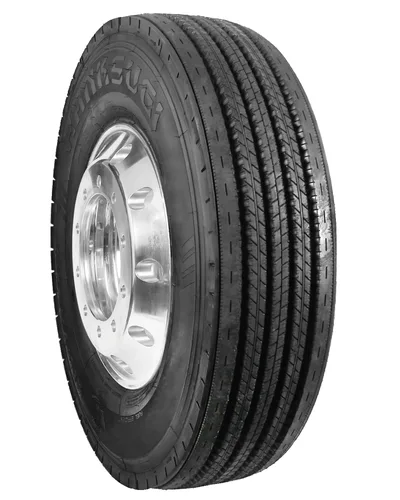
Low rolling resistance with superior abrasion resistance and optimised fuel efficiency. Designed for fitment in multiple positions: steering, drive and trailer axles across your fleet.
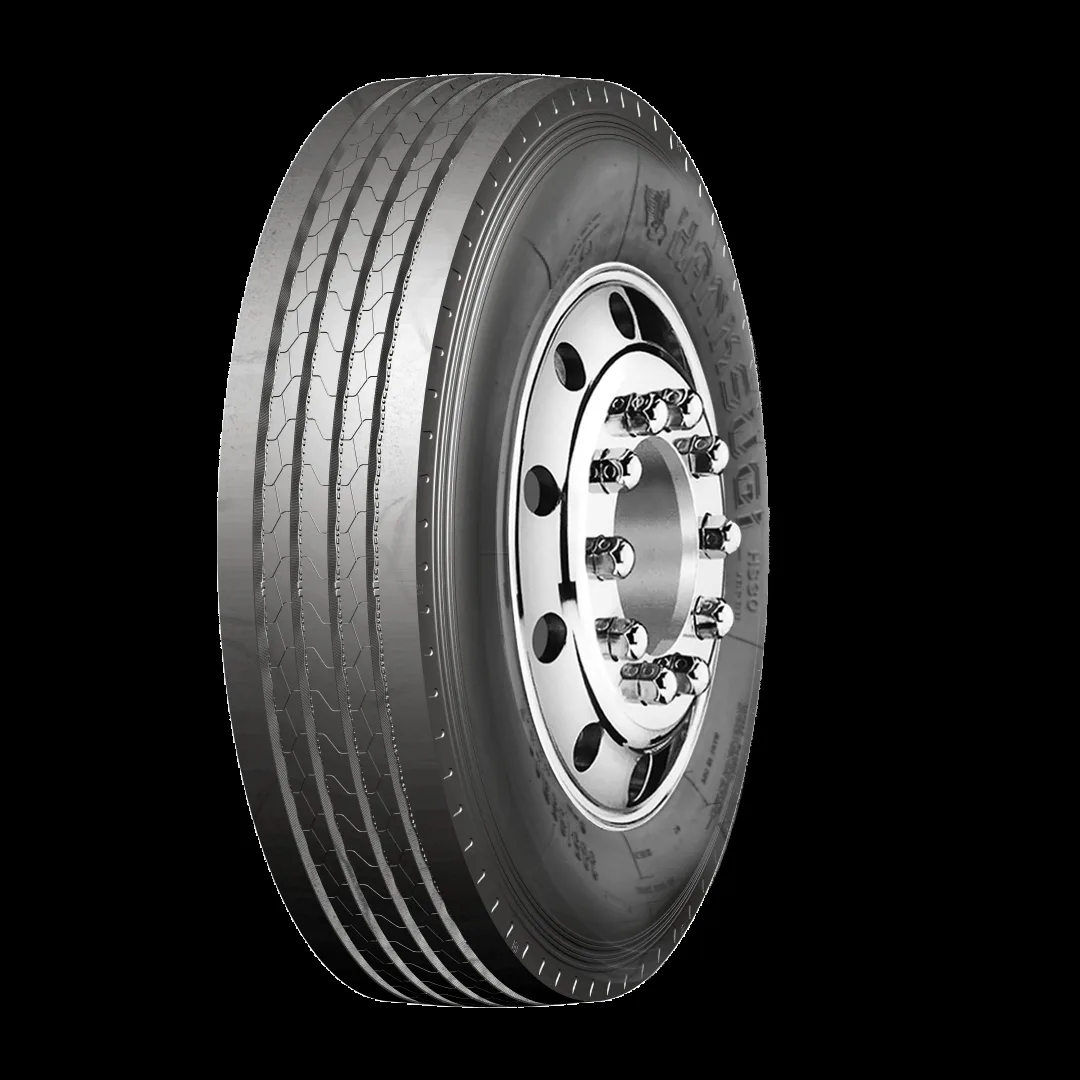
3D undulating tread groove technology with an optimised footprint and uniform carbon dispersion. The versatile free-axle design handles trailer positions, tag axles and pusher axles with ease.
All-position tyres for the Antiguan market, featuring Zeus Grip technology, retreadable casings lasting up to 3 retreads and capacity for mixed surfaces on routes such as Saint John's to English Harbour and All Saints to Swetes.
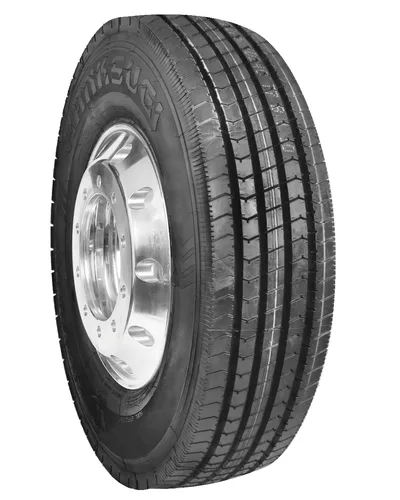
Wet and dry performance with a retreadable casing construction lasting up to 3 retreads. The 15.5mm extra-deep tread offers extended mileage across all axle positions on Antiguan roads.
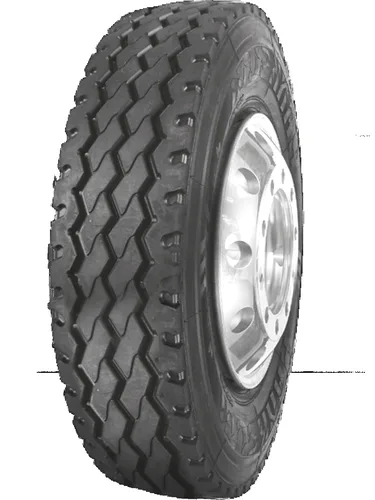
Capacity for mixed surfaces with superior grip and traction for demanding all-position applications. The 18mm tread depth and high-speed handling provide versatility on any axle.
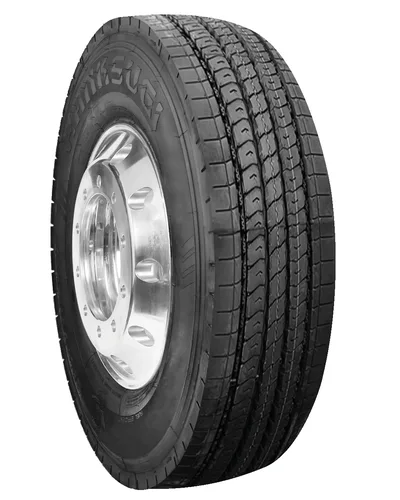
Hanksugi's proprietary Zeus Grip compound technology delivers exceptionally low rolling resistance with the grip and durability required for all-position use. Advanced fuel-saving design for operations in Antigua and Barbuda.
Hanksugi all-position tyres are available in the most commonly required sizes for freight transport in Antigua and Barbuda. Use the table below to find the right model for your fleet, or visit our tyre size directory for full specifications.
| Tyre Size | Market | Model | Position Capability |
|---|---|---|---|
| 11R22.5 | Antigua and Barbuda | HS66 | Steer, Drive, Trailer, Free Axle |
| 295/75R22.5 | Antigua and Barbuda | HS66 | Steer, Drive, Trailer, Free Axle |
| 11R24.5 | Antigua and Barbuda | HS66 | Steer, Drive, Trailer, Free Axle |
| 285/75R24.5 | Antigua and Barbuda | HS66 | Steer, Drive, Trailer, Free Axle |
| 255/70R22.5 | Antigua and Barbuda | HS26 Plus | Free Axle, Trailer |
| 295/80R22.5 | Antigua and Barbuda | HS76, HS26+ Zeus Grip | All-Position, Free Axle |
| 13R22.5 | Antigua and Barbuda | HS56 | All-Position |
All-position tyres require attentive maintenance to deliver their full performance potential in each axle position. Because these tyres fulfil multiple roles, maintenance practices must account for the specific demands of whichever position the tyre occupies at any given time.
The optimum inflation pressure for an all-position tyre varies according to where it is fitted. On a steering axle, the tyre bears the weight of the engine and cab and must maintain precise directional control. On a drive axle, the tyre transmits engine torque and must manage heat generated by both the load and drive forces. On a trailer position, the tyre must maintain stability under variable loads. Always follow the tyre manufacturer's inflation recommendations for each specific position. For Hanksugi all-position tyres, consult the load and inflation table on the individual product page or contact our technical support team for position-specific guidance. Check pressure weekly with a calibrated gauge when tyres are cold.
One of the key advantages of all-position tyres is the ability to rotate them between positions as they wear, maximising total casing life. A common strategy is to begin the tyre's life on the steering axle, where it experiences the most controlled and even wear. As tread depth decreases and the tyre is no longer ideal for steering precision, it is moved to a drive or trailer position where it can continue to deliver value at a lower depth. This rotation approach can extend total tyre mileage by 15–20% compared with leaving tyres in a single position until they reach minimum depth. Document each rotation in your fleet management system to track wear patterns and optimise rotation intervals.
All-position tyres should be measured for tread depth at three points across the face: both shoulders and the centre. This three-point measurement reveals whether the tyre is wearing evenly, which indicates correct inflation and alignment. On steering positions, watch for one-sided shoulder wear that signals alignment issues. On drive positions, monitor centre wear from over-inflation or edge wear from under-inflation. On trailer positions, check for diagonal wear patterns that indicate axle misalignment. Replace any all-position tyre when tread depth reaches 4/32 of an inch on steering positions or 2/32 of an inch on drive and trailer positions.
Because all-position tyres may serve on steering, drive or trailer axles at different points in their life, maintaining correct alignment on every axle is critical. A misaligned steering axle causes rapid, uneven wear that reduces the tyre's remaining service life when it is later moved to another position. Similarly, a misaligned trailer axle creates diagonal wear patterns that compromise performance regardless of where the tyre is subsequently fitted. Check alignment on every axle during each tyre replacement event and at least annually as part of your preventive maintenance programme.
Common questions about all-position tyres, fleet inventory strategy and the Hanksugi all-position range for the Antiguan market.
An all-position tyre for a commercial truck is designed to perform on any axle: steering, drive or trailer. These versatile tyres balance the directional stability needed for the steering axle, the traction required on drive axles and the low rolling resistance important for trailers. Fleet managers use them to simplify inventory by maintaining a single tyre model that can be fitted wherever it is needed.
All-position tyres work well as replacements for position-dedicated tyres in regional and mixed-service applications. However, dedicated steering tyres provide superior directional stability for sustained highway use, and dedicated drive tyres offer a deeper tread and more aggressive lug pattern for severe traction or steep-gradient conditions. All-position tyres offer excellent value when operational flexibility and inventory simplification matter more than maximum position-specific performance.
All-position tyres allow fleets to carry fewer SKUs in stock, since a single model covers steering, drive and trailer positions. This reduces warehouse space, lowers inventory holding costs, simplifies purchasing and reduces the risk of holding obsolete stock. Technicians can fit any tyre on any axle without waiting for position-specific models. For medium-sized fleets, consolidating to an all-position strategy can reduce tyre inventory costs by 20–30%.
Zeus Grip is Hanksugi's proprietary compound technology found in the HS26+ Zeus Grip model for the Antiguan market. The compound delivers exceptionally low rolling resistance while maintaining the grip and durability required for all-position use. Available in 295/80R22.5 with an 18PR load rating and 16.5mm tread depth, Zeus Grip represents Hanksugi's advanced fuel-saving technology for fleets in Antigua and Barbuda.
Hanksugi all-position tyres for Antigua and Barbuda cover the most commonly required sizes in national freight transport. The HS76 comes in 295/80R22.5, the HS56 in 13R22.5 and the HS26+ Zeus Grip in 295/80R22.5. These sizes are compatible with fleets operating on routes such as Saint John's to English Harbour, All Saints to Swetes, the Sir George Walter Highway and roads across the island.
Yes. Hanksugi all-position tyres are manufactured with retreadable casings. The HS76 specifically incorporates a retreadable casing design, and the HS26+ Zeus Grip also accepts retreading when casings are maintained correctly. In Antigua and Barbuda, retreadable casings extend the total service life of a tyre investment to up to 3 retreads, significantly reducing the cost per kilometre over the tyre's complete working life.