
Tires of traction of open shoulder and tires of all-position resistant to the scraping, built for LTL, pickup and delivery, and operations of distribution urban.
The transportation regional covers the punto intermedium among the operations interthistales long-haul and the routes locales pickup and delivery. A truck regional typical operates within a radius of 320 a 800 km of its terminel base, updatedo routes with multiple stops that combinesn sections of highway with deliveries urban and suburban. Carriers LTL (cargo lower a truck), dealers of food and bebidas, deliveries of supplys of construction and consoligivenres of cargo general are found all in the category of transportation regional. These operations imponen a together specific of demands about the tires that or the puramente long-haul or the puramente urban can abordar alone singles.
The challenge definitorio of the transportation regional is the variage. In a only shift, a truck regional can viajar a 105 km/h in a highway during 160 km, then navegar by streets urban with potholes and cruces of ferrockrril, retroceder toward a dock estrecho with turns steer agudos, and repetir that cycle four or five times. The tires of that truck should support sustained speeds of highway without sobrecalentarse, providesr traction on streets urban wet, resist the forces of scraping lateral of tight turns in the docks of cargo and sobrevivir to the contact with curbs without sidewall damage. Ninga tire long-haul can handle the maneuvering in docks, and no tire puramente urban offers a fuel economand acceptable in the sections of highway.
The tires of transportation regional resuelven this problem with commitments of engineering specific. In the axle of traction, the patterns of tread of open shoulder sacrifican algo of rolling resistance compared to the designs of closed shoulder of highway, but ganan the traction critical in wet and the trust in all weather that the drivers regional need. The independent blocks of the shoulder in a tire of traction of open shoulder muerden the pavement wet during the rain, and the areas of void widers evacuan the water of the area of contact faster that the alternatives of closed shoulder. In the steer axle, the regional tires use formulations of compounds that resist the wear by scraping caused by frequent turns, and constructions casing that protect against the impact damage of potholes and impacts in curbs that are us of each route regional.
For fleet managers that operate routes regional, the decision of choice of tires se reduce a balancer diesel efficiency with the reliability and the traction. A tire that saves a 2% in diesel but wears a 30% faster in routes regional no is a good intercambio. The tire regional proper offers a fuel economand acceptable in sections of highway while prospera under the conditions of starting-stop, of turns intensos and of weather variesble that definen the cycle of work regional.
Tires of traction of open shoulder, mixed service and all-position, engineered to the demands of starting and stop of the transportation regional. Traction superior in wet and resistce to the scraping for routes that combinesn driving in highway and urban.
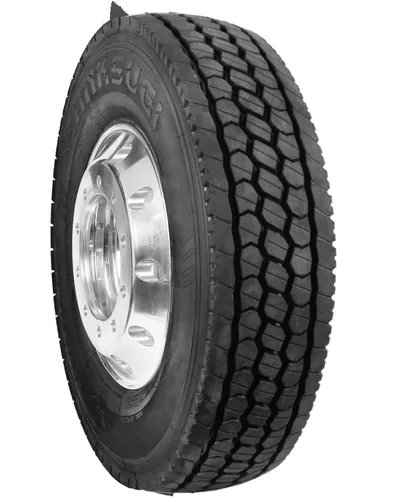
Drive tire regional of open shoulder with grip protection against stones, tread pattern of tread wide and four grooves of decoupling for a traction superior in wet and in all weather. The tire of traction preferred for operations LTL and P&D.
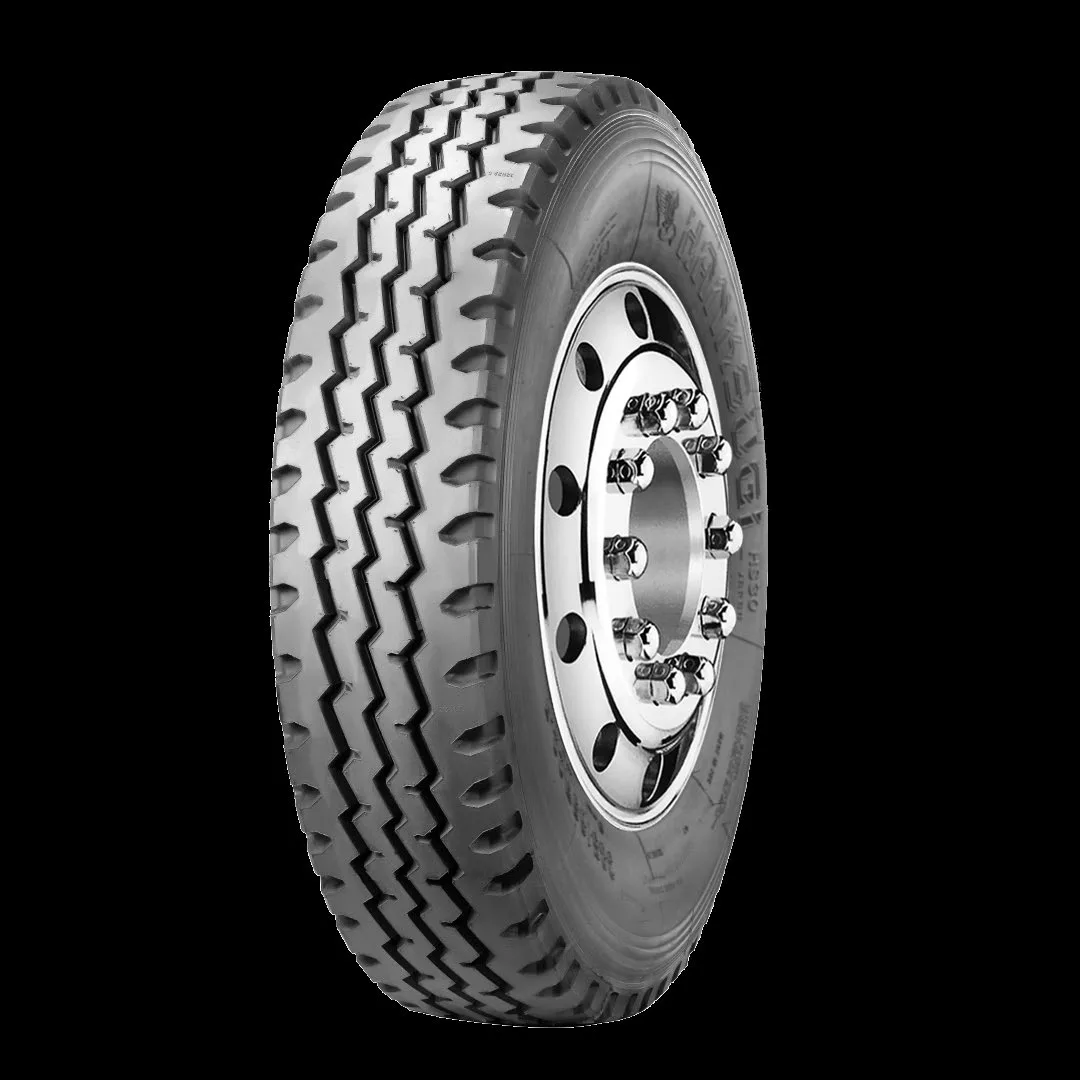
Drive tire of mixed service with compound advanced resistant to cuts and chips and features of defensa against stones. Ideal for routes regional that atraviesan zones of construction, yards of gravel and surfaces no paved.
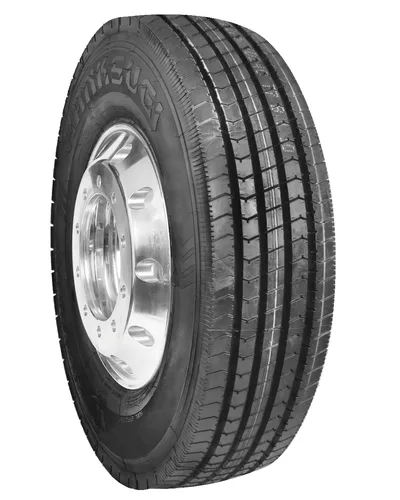
Tire of all-position with excellent performance in wet and dry and retreadable casing. Band of rolling resistance extra deep of 15,5 mm with protection in the sidewalls for transport regional in positions steer, traction and trailer.
No all the regional operations are matchs. The demands of the tires variesn significantly according to the type specific of transportation regional, cargo and the environment of delivery. Understanding its type of operation help a reduce the choice of tires to the models that will offern the best performance of total cost.
The carriers LTL face the environment more demanding for regional tires. A truck LTL typical does of 8 a 15 stops to the day, with maneuvering frequent of retrocthat toward docks that generate high lateral forces in the drive tires and steer. The cycle constant of stop-starting-giro wears the tires faster that any other application regional. The HS68 sobresale in service LTL because their design of open shoulder resists irregular wear that destroys the tires of closed shoulder in operations with high number of stops. The wide tread pattern of the tread distributes the forces during the maneuvering in docks, and the grip protection against stones prevents damage by the desechos commonly encountered in zones of delivery industryl.
The operations pickup and delivery combinesn the frequency of stops of the LTL with the challenge additional of navegar by areas residential and commercial with streets estrechas, positionings adjusteds and traffic heavy. The drivers of P&D update more turns per kilometer that any other application of transportation, which generates a scraping meanstivo in the steer tires. The contact with curbs during positioning paralelo and stops of delivery is a risk constant for the sidewalls. For operations P&D, the tire of all-position HS76 offers versatilidad in all positions of the axle, simplifying the management of inventory for fleets more smalls, while its protection in the sidewalls maneja exposure to curbs propia of the routes of delivery urban.
The dealers of food and bebidas often transporso heavy loads in routes with multiple stops, with cajas of product stacked to the weight bruto maximum vehicular. The combination of heavy loads and stops frequent somete to the drive tires to the maximum stress, accelerating both tread wear as heat generation. These operations also are updated in hours tempranas of the tomorrow and thees of the night, when the highways wet and the visibilidad limited increase the mattercia of the traction. The HS68 offers the margin of safety in traction on wet that the operators of food and bebidas need, while its construction robust maneja the heavy loads that vienen with the paletas complete product.
The trucks of delivery of materials of construction divide their time between highways paved and roads of access a constructions. The tires se face a gravel, concrete roto, debris of wood with nails and areas no paved additionally of the driving standardl in highway. This cycle of work in surfaces mixtas demands a tire that pueda handle both environments without premature failures. The tire of traction of mixed service HS84 cierra this gap with a compound resistant to cuts and chips that sobrevive to the desechos of the site of construction while keeps a performance acceptable in highway. The features of expulsion of stones prevent the damage by puncture of stones common in roads of access of gravel.
In the transportation long-haul, a deeper tread means more kilometers and lower cost per kilometer, punto. In the transportation regional, the calcutheestion is more complejo because a by deeper also means higher rolling resistance, which costs diesel in each kilometer, and the trucks regional queman more diesel per kilometer that the trucks long-haul due to the energy wasted in the cycles constbefore acceleration and braking.
A tire of traction regional with tread depth of 26/32" generates notablemente more rolling resistance that a with depth of 22/32", simplemente because there is more rubber for flexr in each revolution. For a truck long-haul that travels 965 km of highway straight, the tread deeper se paga a yes same in extended mileage. For a truck regional that does 15 stops in 320 km, the tread deeper can coastr more in diesel of which saves in extended service life. The depth optimal for applications regional balance enough rubber for reliability against the penalty of diesel by excess of masa of tread.
The regional Hanksugi tires are calibrateds for this commitment. The HS68 uses a tread depth that provides a extended service life without the penalty of rolling resistance of a pattern long-haul excessivemente deep. The compound of the tread is formulated to resist the scraping and the cycles thermals of the driving of starting and stop, which means that the tire keeps its performance features even while wears, instead of volverse progresivamente harder and less adherente like make some compounds long-haul in regional service.
The fleet managers a times rechazan the tires regional-specific because the numbers of diesel efficiency isn peores that the alternatives long-haul in the paper. But thats numbers in paper asumen sustained speeds of highway. In regional service actual, the penalty of diesel of the rolling resistance slightly higher of a tire regional se compensa with three factors: first, the regional tires resist best irregular wear that the long-haul in service of starting and stop, which means that hardn more before reach the depth minimum of the tread. Second, the regional tires provide best traction on wet, reducing the risk of accidentes and the costs catastrophics associated with incidentes retheed with the traction. Third, the regional tires keep patterns of wear more consistent, which means a performance more consistent and less cambios of tire a half of interval that interrumpen horarios and generate costs laborales additional. When se calcuthees the total cost of ownership oview the course of all the life of the tire, the tires regional-specific almost always exceed to the long-haul used in regional service.
Understanding the differences of engineering among the regional tires and the long-haul help to fleet managers a tomar decisions inwaydas about what tire pertenece a what truck.
The trucks regional are more demanding with the tires that the long-haul, which means that the disciplina maintenance matters even more. The stops frequent, the turns and the surfaces varied of the regional service createsn opportunities of wear and damage that no existen in the driving straight of highway. A program maintenance proactivo focusesdo in the challenges specific of the regional operations can to extend the life of the tires in a 20-30% compared to an approach reactivo.
The trucks regional golpean more potholes, cruces of ferrockrril and irregular surfaces per kilometer that the trucks long-haul, and each impact can desplazar the settings of alignment. Inspect the alignment of the steer axle each 64.000 km for trucks regional, compared to each 80,000 km for thergo traveled. Is atento to the feathering wear in the tread face, that indicates misalignment of toe, and to the wear staggered in the shoulder, that apunta a problems of camber. Many fleets regional discovern that invest in a banco of alignment internal se paga a yes same within the first year to the detectsr and corregir the drift of alignment before destruya the tires.
The cycles thermals that experience the regional tires —warming in sections of highway, cooling in stops, warming of new— make that the pressure sea more votheile that in the service long-haul, where the tires reach a temperatura of been thisble and remain ayes during hours. Inspect the pressures daily before partir with a medidor calibrated. The drive regional tires in configuration dual typically function a 100-110 PSI, but confirme with the tables of cargo/inflation for its tires specific and loads actual. The low inflation is the main causes of failure premature of regional tires because the flexing repetido of the driving of starting and stop generates much more heat in a tire with low inflation that the driving sustained in highway.
The regional tires face sidewall threats that long-haul tires rarely find: curb impacts during approximations to docks, pothole impacts in urban areas and contact with dock bumpers of cargo and guardrails. Train drivers to inspect sidewalls for cuts, tears and bulges during pre-trip inspections and post-trip. A sidewall cut that exposes the casing's cords will lead to a blowout if not detected. Bulges indicate internal damage in the casing layers, often from a pothole impact, and require immediate removal of the tire. Detecting damage early in the sidewalls prevents costly failures in highway and preserves the casing for possible retreading.
The casings of regional tires can be retread, but the been of the casing depende in gran measurement of the practices maintenance during the life original of the tread. A tire regional that worked with low inflation or suffered damage by curb no restandings can no produce a retreadable casing, while a bien manhad yes lo will do. Remove the tires in the depth minimum of the tread; no the axlecute up to the bars of wear, since the thin rubber rthisnte generates a heat excessive that can damage the casing. The program of retreading of Hanksugi verifies the integrity of the casing through tests non-destructives before acceptsr the casings for retreading, ensuring that only the casings sanas reciban a new tread.
Find the tire Hanksugi suitable for your operation specific of transportation.
Tires of highway of low rolling resistance for operations interthistales. Tires steer, traction and trailer with low rolling resistance for maximum diesel efficiency.
Tires resistant to cuts and chips for operations of construction, mining and mixed service in surfaces no paved e irregular.
Tires of heavy-duty service for dump trucks, concrete mixers, vehicles collectors and applications vocational with extreme loads.
Line complete of drive tires: models of closed shoulder, open shoulder and mixed service for highway applications, regional and all-terrain.
Questions common about tires of truck of transportation regional, choice of tires of route short and maintenance of tires for deliveries urban.
A tire of truck of transportation regional is engineered for commercial trucks that operate within a radius of 320 a 800 km of its terminel base, updatedo multiple stops to the day in a mix of highways, highways secondary and streets urban. Unlike long-haul tires that prioritize the low rolling resistance for sustained speeds, the regional tires prioritize the traction, the resistce to the scraping and the reliability under lateral forces and the braking frequent that characterize start-and-stop operations and stop. The drive regional tires typically use patterns of open shoulder for the grip in weather wet.
The trucks regional experience forces fundamentally different. A truck long-haul may make 2 a 3 stops to the day at highway speeds. A truck regional may make 10 a 20 stops with frequent turns, approximations to docks and maneuvering at low speeds. These operations generate forces of scraping lateral, heat by braking high-frequency and risks of contact with curbs. The long-haul tires used in regional service develop patterns of irregular wear because their compounds and patterns are not engineered for handling these forces. The tires regional-specific use different compound hardness, tread geometry and casing construction to resist these demands.
The tires of transportation regional balance the depth of the tread with diesel efficiency of way different to the long-haul. For drive regional tires, depths of 20/32 a 24/32 inches are typicals, providedo enough rubber for a extended service life without the penalty of rolling resistance of depths of 28-30/32 inches long-haul. The steer regional tires commonly have depths of 16/32 a 20/32 inches. The distances of route more shorts meansn that diesel efficiency per kilometer matters less that the traction and the resistce to wear in conditions of starting and stop.
Use a single tire for both applications is a commitment that costs money in any steer. A tire long-haul in a route regional desarrolla irregular wear and reduced traction on wet. A tire regional in a long-haul route wastes diesel due to the higher rolling resistance. If your fleet combines both applications, considere the HS68 like a tire of traction versatile that maneja the demands regional while offers a performance acceptable in highway, or segmente its purchases of tires by assignment of route.
The drive tires of open shoulder exceed significantly to the designs of closed shoulder in conditions wet and snowy. The independent blocks of the shoulder and the grooves lateral createsn edges of biting additional that grip the highway during the rain and the nieve light. The areas of void widers evacuan the water of the area of contact faster, reducing the risk of hidroplaneo. The Hanksugi HS68 has with four grooves of decoupling and sipes aggressive that use the traction on wet while keep the grip protection against stones ante the damage by desechos.
The three causes more common are misalignment, the incorrect inflation and the use of the wrong tire for the application. The misalignment of the steer axle causes feathering wear or bias. The low inflation causes excessive wear in the shoulders and accumulation of heat. Using long-haul tires in regional service causes heel-and-toe wear in the blocks because the harder compound does not flex properly under lateral forces of giro. The components of suspension worn, particularly shocks and bushings, also contributesn. The inspections periodic of alignment, inspections diarias of pressure and proper tire selection for the application are the prevention more effective.