
Tires of mixed service resistant to the cut and chipdo engineered to construction sites, quarries and operations demanding in highway/off-highway.
The commercial trucks that operate in construction sites, quarries, mining operations and paths of access of the sector energy face an environment of tires that would destroy a tire standard of highway in weeks. The surfaces no paved in these work sites are tires of rock crushed, concrete roto, harsh of varilla, rthese of wood with nails and addsdo sharp that arrancan the tread rubber with each revolution. The compounds standard of highway are too much fragile for these conditions — se fracturan and losesn chunks of tread rubber, a mode of degradation conocido like damage by cut and chipdo that can reduce the service life of a tire of highway in a 50% or more in service all-terrain.
The tires for truck all-terrain and construction address this challenge through three cambios fundamentales of engineering compared to highway tires. First, the compound of the tread uses a formulation of rubber different with higher content of natural rubber and agentes reforzbefore specialized that allown to the rubber flexrse around sharp objects instead of fracturarse to the impact. This compound resistant to the cut and chipdo absorbs the energy of the contact with sharp rockss without lose chunks of material of band. Second, the pattern of by has with areas of void widers among the blocks of so that allown that the mud, the gravel and the debris se eliminen of the area of contact with each revolution, keeping the traction on soft surfaces where a of highway obstruida would spin in void. Third, the construction of the casing includes layers protectives additional and reinforced sidewalls that protect against the punctures and impact damage inpreventsbles in environments all-terrain.
The challenge for the gthisres of fleets is that the capacity all-terrain viene with compensations. The same pattern of by aggressive that despeja the mud also creates more noise and rolling resistance in road surfaces. The by deeper that provides extended service life in roads irregular generates more heat a highway sustained speeds. The compound resistant to the cut that sobrevive to sharp rockss wears faster in pavement smooth that a formulation optimized for highway. Band this, the choice of tires for operations all-terrain requires entender the cycle of work specific — the porcentaje of kilometers in surfaces paved versus no paved, the severity of the conditions all-terrain and the requirements of speed in sections of highway — to find the tire that entregue the best performance total oview the course of all the route, no only in the portion of the site of work.
Tires of traction of open shoulder, mixed service and all position with compounds resistant to the cut and chipdo built for sobrevivir construction sites, quarries and irregular terrain while keep a performance acceptable in highway.
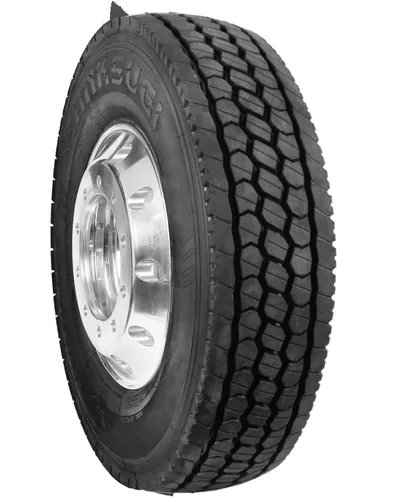
Drive tire of open shoulder with protection antirrock and compound resistant a cracks/tears. Tread pattern of with wide with four grooves of desacople for traction on surfaces looses e irregular. Excellent for operations mixtas of highway/site of work.
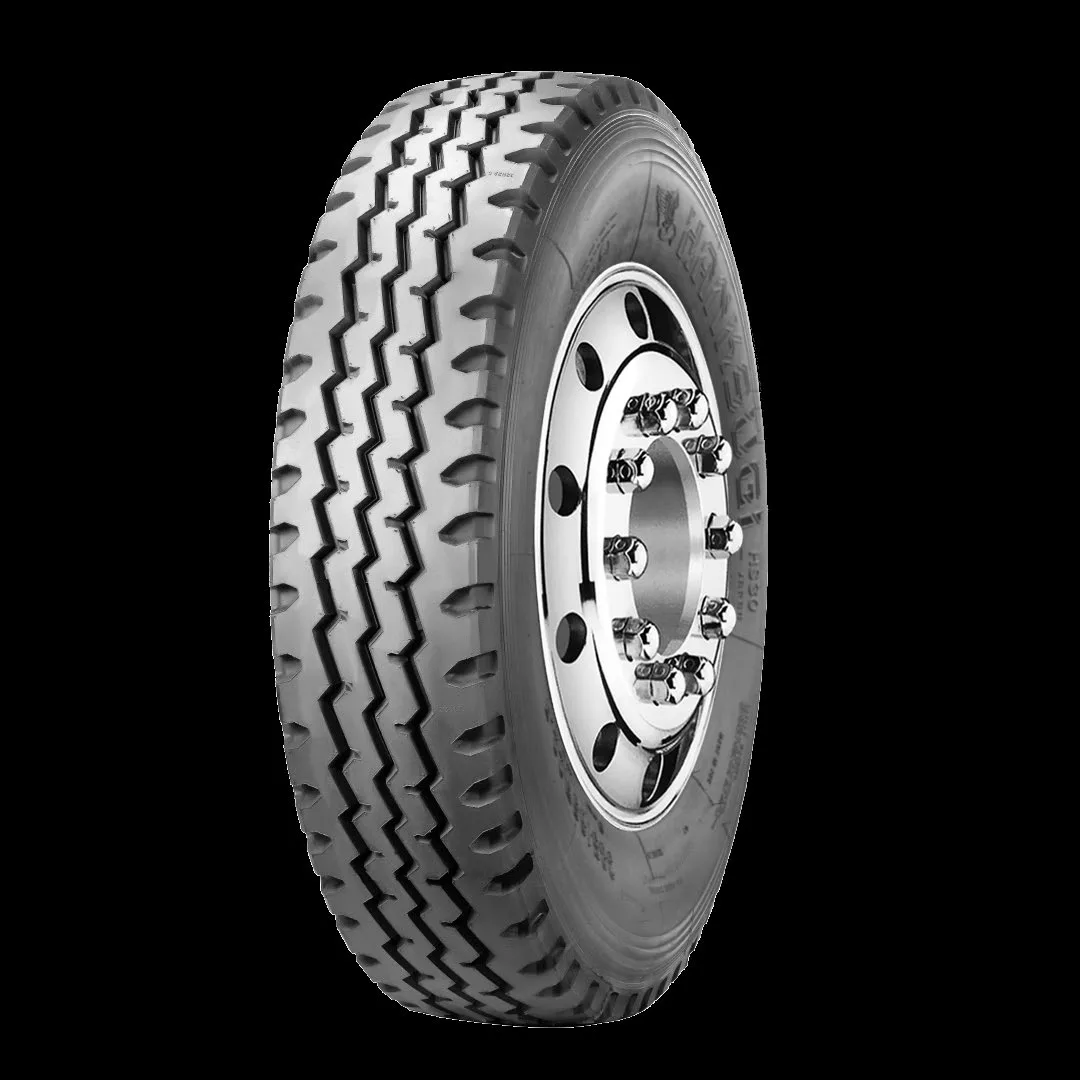
Drive tire of mixed service built with purpose with compound advanced resistant to the cut and chipdo. The features of defensa antirrock prevent the stone drilling. Engineered for the cycles of work more demanding in highway/off-highway in construction and transportation of addsdos.
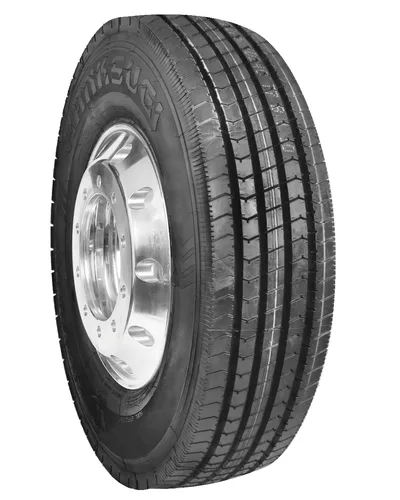
Tire all position with tread extra deep of 15.5mm and protection of sidewalls for applications of construction and all-terrain. Casing retreadable with excellent performance in dry and wet in positions steer, traction and trailer.
The engineering of tires all-terrain and construction focuses in three areas that highway tires barely consider: reliability of the compound against sharp objects, self-cleaning layerbilitand of the pattern of by protection of the casing against impacts and penetration.
The compound of the tread is the first-rate line of defensa against the damage all-terrain. The compounds resistant to the cut and chipdo use higher proportions of natural rubber, that has inherentemente best resistce to the desgarro that the rubber synthetic. These compounds also incorporateste relleus specialized of negro of humo and silica that reforcen the matriz of rubber a level molecular, allowing that the tread absorba impacts of sharp rockss without fracturarse. The HS84 uses a compound advanced of cut and chipdo that offers a service life of by measurable higher in surfaces with addsdo compared to compounds standard of highway. This technology allow that the tread se flexione around sharp objects instead of fracturarse, precoming the loss of chunks that destroys highway tires in service all-terrain.
The stone drilling is a of the most insidious ways of damage a tires in operations of construction and quarries. The stones lodge in the grooves of the tread are struck deeper with each revolution up to penetratesr the tread rubber entersr in contact with the steel belt package. Once the moisture reaches the belts through the channel perforated by the stone, starts the corrosion, caused eventually the separation of the belt and failure catastrophic. The HS84 has with ribs of expulsion of stones — smalls ridges in the base of the grooves of the tread that prevent that the stones settle lo enoughmente deep for initiate the puncture. These features pushesn actively the stones outside the grooves while the tread flex during the rotation, keeping the grooves clean and protecting the belt package.
The tires all-terrain face sidewall hazards that highway tires neview encounter: rocks kicked up by other vehicles, debris oview the course of edges of roads unpaved, stumps and chunks concrete in construction sites, and the flexing constant about irregular surfaces. The tire all position HS76 includes protection of sidewalls integrated that adds thickness of material and impact resistce in the area vulnerable among the edge of the tread the bead. This layer additional absorbs impacts that would cut a sidewall standard, preserving the integrity of the casing and extending the tire's service life. Maintain proper inflation pressure is equally critical, since a sidewall under-inflation flex more and is more vulnerable a punctures.
Different industrys all-terrain presenso distintos challenges of tires. The tire correct depends on the hazards specific, the loads and the proportion highway/site of work of its operation.
The construction sites general presenso a mix of hazards: addsdo loose in paths of access, debris with varillas and nails in areas of prepair, and irregular terrain in sites of excavation. The trucks operate at low speeds in the site but should maintain capacity of highway for trips between projects. The HS84 is the recommendation main of tire of traction for construction general because their compound of cut and chipdo maneja the environment mixed service of debris while the features of expulsion of stones protect against the gravel common in paths of access of construction. For operations that pass more time in paved roads between work sites, the HS68 provides good traction on surfaces looses with best diesel efficiency in highway.
The operations in quarries are the environment more demanding for tires of truck commercial. The surfaces are tires with rock recently crushed that has edges sharp like navaja, the gradients are pronounced and the loads are in weight maximum legal or over. The tires in service of quarrand face exposure constant to the cut and chipdo by the addsdo sharp, stone drilling lodged in the grooves, and generation excessive of heat by the heavy loads in steep gradients. The HS84 with its compound of cut and chipdo of maximum degree is the recommendation stronger for positions of traction on quarries. Inspect and remove the stones lodged daily, and maintain disciplina estricta of inflation — the heavy loads and steep gradients in operations of quarrand generate heat enorme in tires underinftheeds.
The trucks of the sector energy — vehicles of services petroleros, support a construction of oleoductos, logistics of parques wind — travelsn long distances in highways paved for reaching a work sites remotos connected on routes of access mal manhads. The proportion of highway a all-terrain is typically higher that in operations of construction or quarry, which makes diesel efficiency in sections of highway sea more important. The HS68 is suitable for operations of the sector energy because their design of open shoulder maneja paths of access no paved while its compound of offers fuel economand acceptable during the long sections of highway. The protection antirrock is particularly valiosa in surfaces of rock crushed used for paths of access a servidumbres of oleoductos.
The roads logging presenso hazards uniques that difieren of the environments of construction or quarry: soft surfaces and muddy that require by aggressive autocleanble; stumps and roots that amenazan the sidewalls; and steep gradients that demandn maximum traction. The combination of heavy loads (the logging trucks loadeds are among the vehicles legal more heavy in the route) with malas conditions of surface means that the logging operations need tires with patterns of traction aggressive and structural resistce. The tire all position HS76 offers versatilidad for operations needed a model of tire in multiple positions of axle, with the protection of sidewalls and by deep that the activity logging demand. For positions dedicateds of traction on logging trucks, the HS84 provides maximum traction and resistce to the cut.
In highways paved, the tread voids (the grooves and channels among the blocks of band) servesn primarily like channels of water to prevent the hidroplaneo. The size and the depth of these voids se minimizesn in highway tires to reduce the rolling resistance and noise. Outside highway, the voids meetsn a purpose completely different: should acceptsr, rehave temporalmente and then expelsr the mud, clay, arena, gravel and debris that the tire recoge with each revolution.
A tire with voids poco deeps or blocks of by apretadamente grouped se will pack with mud in minutes in a site of work of soft surface, converting the tread face in a tambor smooth without traction. Once the voids are packeds, the tire spins about the surface instead of agarrarla, and the truck queda stuck — a retraso costso in any site of work. The designs of by autocleanble use areas of void widers with angles of inclination specific that allown that the material packed sea expelled to the entersr the block of to the area of contact and deformse under load. The blocks have waand tal that the compressure during the contact with the ground force the mud and the debris toward outside from the centers of the grooves, and the expansion to the salir the block of the area of contact abre the voids newmente for acceptsr material new.
The design of open shoulder of the HS68 and the geometry aggressive of voids of the HS84 both incorporateste principles autocleanbles. The four grooves of desacople of the HS68 acyouan like channels primarios of expulsion that evacuate material from the center of the tread toward outside. The wider grooves and deeps of the HS84 with features of expulsion of stones provide both capacity autocleanble in soft surfaces like protection against stone drilling in surfaces of addsdo hard. For operations that find both mud like rock (common in construction general), the design of voids of dual purpose of the HS84 aborda both challenges simultaneously.
The tires in service all-terrain and construction face more opportunities of damage per kilometer that any other application. A program disciplined maintenance no prevents all the damage — alga loss of tires is a cost inpreventsble of run in environments hostiles — but reduce dramatically the rate of failures prevenibles and extends the service life average of the tires throughout the fleet.
The tires all-terrain should be inspected daily, no weekly. Before each shift, the driview or technician of tires should walk around the vehicle and visually inspect each tire for objects embeddeds (stones, metal, wood), cuts or bulges in the sidewall, loss of chunks of by any sign of loss of air. After each shift or each trip a site of work, a second inspection detects damage occurreds during the work period. Focus in the grooves of the tread — probe with a tool for tires for remove any stone lodged in the grooves, particularly in the ribs centersles where se initiates the stone drilling. Detecting a nail or stone embedded early, before se breaks through to the belt package, is the difference between a simple repair with plug and a casing discarded.
The operations all-terrain imponen stress unique in the management of the inflation. The heavy loads transportationd in irregular surfaces demandn maximum inflation pressure for support cargo and prevent the flexing of the sidewall. At the same time, irregular surfaces generate more heat that the pavement smooth, and the frequent startings and stops in work sites add cycles thermals that flucyouan the pressure. Inspect the pressures before first trip each day. If the trucks operate in heat end (construction of verano in the conditions of the sur), the pressures of the thee can subir 10-15 PSI over of the pressure cold, which is standardl and no should liberarse. Liberar tires calientes resulta in under-inflation once se coolsn. Maintain the inflation pressure cold especifieach in the tables of cargo/inflation for its model of tire and the loads actual of the axle.
The tires all-terrain sufren more damage reparables that highway tires, doing that the procedures of repair sean a factor meanstivo in the total cost of the tire. The punctures smalls in the area of the tread (agujeros of nails, smalls penetrations of stones) can repararse with a combination plug-patch if the damage no has reachesdo the steel belts. The damage in the sidewall neview is reparable — any cut or puncture that exponga the cordones of the casing in the area of the sidewall requires immediate removal of the tire and its descarte. The cuts in the tread that removesn large chunks of rubber but no penetratesn to the belt package can continue in service, but the tire should moverse a position less critical (trailer instead of traction) and monitorearse of near. Maintain registros detalsides of repair for each tire; a casing with too many repairs can no be suitable for retreading even if the depth of the tread is proper.
The service all-terrain is harder in the casings that the service of highway, but the tires all-terrain bien manhads still can produce casings retreadables. The key is maintain the inflation proper (that prevents the damage by heat internal that mata the casings), prevent the impact sidewall damage, and remove the tires to the depth correct of by before the casing is exputhis a heat and excessive wears. The program of retreading Hanksugi uses tests non-destructives for evaluateste casings of service all-terrain, and the inspectores experienceds can identify the patterns of internal damage specific of the use all-terrain. The casings that pass the inspection can be retreaded with patterns of mixed service tailoreds to the application of second life prevista.
Find the tire Hanksugi suitable for your operation specific.
Tires high-strength for dump trucks, concrete mixers, vehicles of waste collection and applications vocational with extreme loads and tight turns.
Tires of highway of low rolling resistance for operations interthistales. Tires steer, traction and trailer verifieds SmartWay for maximum diesel efficiency.
Tires of traction of open shoulder and steer tires resistant to the scraping for LTL, collection and delivery, and routes of distribution urban.
Line complete of drive tires: models of closed shoulder, open shoulder and mixed service for each application of axle of traction.
Questions common about tires for truck all-terrain, tires for construction and choice of mixed service tires.
A tire for truck of mixed service is engineered for vehicles that divide their time between highways paved and work sites unpaved. Unlike highway tires that prioritize diesel efficiency, the mixed service tires use compounds resistant to the cut and chipdo that withstand sharp rockss, gravel and debris. Hasn with deeper tread with voids wider for self-cleaning in mud, features of expulsion of stones to prevent the stone drilling in the belt package, and reinforced sidewalls to resist punctures and impact damage of hazards all-terrain.
The damage by cut and chipdo occurs when sharp objects in the surface of the route arrancan pedazos of tread rubber. The rock crushed, the concrete roto, the debris of steel and the addsdo sharp in construction sites are the main culpables. The compounds standard of highway tires se fracturan and losesn chunks of tread rubber. The compounds of mixed service like the of the Hanksugi HS84 use higher content of natural rubber that allow that the tread se flexione around sharp objects instead of fracturarse, extending significantly the tread service life in environments all-terrain.
Yes, the tires all-terrain of mixed service are engineered for escenarios of dual use. Shouldn travelsr public highwayss for reaching the work sites. However, have higher rolling resistance that highway tires, which increases the fuel consumption in paved roads. The compensation vale the pena when more of the 20% of the kilometers involucran surfaces no paved or irregular. If less of the 20% is off-highway, a tire regional like the HS68 can offer best total cost due to the lower rolling resistance in highway.
The stone drilling occurs when smalls stones embed in the grooves of the tread are pushed deeper with each revolution up to penetratesr through the tread toward the steel belts. This createstes a path for the moisture that causes corrosion and separation of the belt — a structural failure serious that can causesr blowouts. The features of expulsion of stones in mixed service tires prevent that the stones settle lo enoughmente deep for reach the belts. The regular inspection and removal of stones lodged is also a preventive maintenance important.
The tire service lifes all-terrain varies more that any other application. A tire of mixed service in roads of gravel bien manhads can offer between 130.000 and 190,000 km. The same tire in a quarrand of rock with addsdo sharp could hardr between 60.000 and 100.000 km. The factors clavand includes the filosidad of the addsdo of surface, lo pronounced of the gradients, the frequency of turns and the proportion of kilometers of highway a off-highway. The management proper of the inflation and the removal regular of stones have a impact higher in the tire's service life in service all-terrain that in any other application.
The features of protection of sidewalls include rubber of sidewall more gruthat, ribs of sidewall that despathn impacts of rocks, profilees more widths between beads that reduce the area exputhis of the sidewall, and construction of bead reinforced for irregular surfaces. The Hanksugi HS76 includes protection of sidewalls integrated for use in construction and mixed service. Maintain proper inflation pressure is equally important — a tire underinftheed has a sidewall more flexible that is more vulnerable a punctures and impact damage.