
Tires of drive of open shoulder and all-position tires resistant to buffing, built for LTL, recogida and delivery, and operations of distribution urban.
The transport regional covers the punto intermedio between the operations interestatales of long-haul and the routes locales of recogida and delivery. A truck regional típico operate within a radio of 320 a 800 km of your terminal base, performing routes with multiple stops that combine sections of highway with deliveries urbans and suburbans. Transportistas LTL (load inferior a a truck), dealers of alimentos and bebidas, deliveries of suministros of construction and consolidators of load general se find all in the category of transport regional. These operations imponen a conjunto specific of demands about the tires that ni the puramente of long haul ni the puramente urbans can abordar by yes solas.
The challenge definitorio of the transport regional is the variedad. En a only turno, a truck regional can viajar a 105 km/h in a highway during 160 km, then navegar by streets urbans with baches and cruces of ferrocarril, retroceder toward a muelle estrecho with giros of steer agudos, and repetir that cycle four or five times. The tires of that truck must soportar speeds sustained of highway without overheat, proporcionar drive in streets urbans mojadas, resistir the forces of buffing lateral of giros cerrados in loading docks and sobrevivir to the contact with bordillos without damage in sidewalls. None tire of long haul can manejar the maniworksites in muelles, and no tire puramente urban offers a fuel economy aceptable in sections of highway.
The tires of transport regional resuelven this problema with compromisos of engineering específicos. En the axle of drive, the patterns of tread of open shoulder sacrifican something of resistance to the tread in comparison with designs of closed shoulder of highway, but ganan the drive crítica in wet and the trust across clima that the conductores regional need. The blocks independent of the shoulder in a tire of drive of open shoulder muerden the wet pavement during the rain, and the áreas of empty more wide evacuan the water of the contact patch faster that the alternativas of closed shoulder. En the axle of steer, the tires regional usan formulations of compounds that resist the wear by buffing causado by giros frequent, and constructiones of casing that protect against the damage by impact of baches and golpes in bordillos that are part of each route regional.
Para the managers of fleet that operate routes regional, the decision of choice of tires se reduces a equilibrar the efficiency of fuel with the durability and the drive. A tire that ahorra a 2% in fuel but se wears a 30% faster in routes regional no is a buen intercambio. The tire regional adecuada offers a fuel economy aceptable in sections of highway while prospera under the conditions of start-up-parada, of giros intensos and of clima variable that definen the cycle of work regional.
Tires of drive of open shoulder, mixed service and all-position, designed for demands of start-up and parada of the transport regional. Drive superior in wet and resistance to the buffing for routes that combine driving in highway and urban.
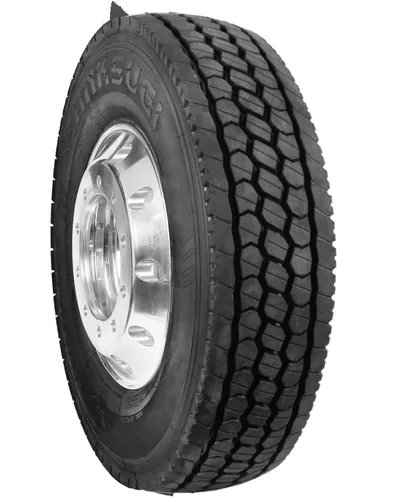
Drive tire regional of open shoulder with protection of grip against stones, footprint of tread wide and four grooves of decoupling for a drive superior in wet and across clima. The tire of drive preferida for operations LTL and P&D.
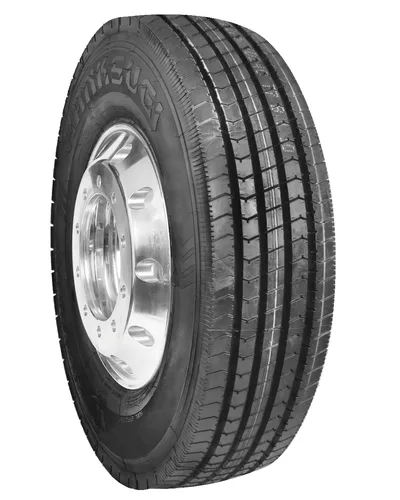
All-position tire with excellent performance in wet and dry and casing retreadable. Tread of rolling extra deep of 15,5 mm with protection in sidewalls for transport regional in positions of steer, drive and trailer.
No all the operations regional are equal. The demands of the tires vary significativamente according to the tipo specific of transport regional, the load and the entorno of delivery. Entender your tipo of operation ayuda a reduces the choice of tires to the models that will offern the better performance of total cost.
The transportistas LTL enfrentan the entorno more demanding for tires regional. A truck LTL típico does of 8 a 15 stops to the day, with maniworksites frequent of retroceso toward muelles that generate high forces lateral in drive tires and steer. El cycle constante of parada-start-up-giro wears the tires faster that any another application regional. The HS68 sobresale in service LTL because your design of open shoulder resists the wear uneven that destruye the tires of closed shoulder in operations with high number of stops. The wide footprint of the tread distribuye the forces during the maniworksites in muelles, and the protection of grip against stones prevents damage by the desechos comúnmente encontrados in areas of delivers industryl.
The operations of recogida and delivers combine the frequency of stops of the LTL with the challenge adicional of navegar by áreas residenciales and commercial with streets estrechas, parkings adjusted and tráfico heavy. The conductores of P&D perform more giros per kilometer that any another application of transport, it that generates a buffing significativo in steer tires. El contact with bordillos during parking paralelo and stops of delivers is a riesgo constante for sidewalls. Para operations P&D, the tire of all-position HS76 offers versatility on all positions of the axle, simplifying the management of insalerio for fleets more small, while your protection in sidewalls maneja the exposition a bordillos propia of routes of delivers urban.
The dealers of alimentos and bebidas a menudo transport heavy loads in routes with multiple stops, with cajas of product apiladas to the gross weight máximo vehicular. The combinestion of heavy loads and stops frequent somete to the drive tires to the máximo stress, accelerating both the wear of the band as the generation of heat. These operations also se perform in early hours of the morning and late at night, when the highways mojadas and the visibility limitada increase the importance of the drive. The HS68 offers the margin of safety in drive in wet that operators of alimentos and bebidas need, while your construction robust maneja the heavy loads that vienen with paletas complete of product.
The trucks of delivers of materials of construction dividen your time between sealed highways and roads of acceso a worksites. The tires se enfrentan a gravel, concrete roto, debris of timber with clavos and áreas unsealed in addition of the driving normal in highway. This cycle of work in surfaces mixed demands a tire that can manejar ambos entornos without failures prematuras. The tire of drive of mixed service cierra this brecha with a compound resistant to cuts and astillas that survives to the desechos of the site of worksite while maintains a performance aceptable in highway. The features of expulsion of stones avoidsn the damage by puncture of stones común in roads of acceso of gravel.
En the transport of long recorrido, a tread more thanep significa more kilometers and lower cost per kilometer, punto. En the transport regional, the cálculo is more complejo because a band more thanep also significa higher resistance to the tread, it that costs fuel in each kilometer, and the trucks regional queman more fuel per kilometer that the trucks of long haul due to the energy desperdiciada in cycles constant of acceleration and braking.
A tire of drive regional with depth of band of 26/32" generates notablemente more resistance to the tread that a with depth of 22/32", simplemente because there are more rubber for flexionar in each revolution. Para a truck of long haul that recorre 965 km of highway recta, the band more thanep se paga a yes same in extended mileage. Para a truck regional that does 15 stops in 320 km, the band more thanep can costar more in fuel of it that ahorra in service life extended. The depth óptima for applications regional equilibra suficiente rubber for durability against the penalty of fuel by exceso of masa of tread.
The tires regional Hanksugi are calibradas for this compromiso. The HS68 usa a depth of band that provides a service life extended without the penalty of resistance to the tread of a pattern of long haul excesivamente deep. El compound of the band is formulado for resistir the buffing and the cycles thermals of the driving of start-up and parada, it that significa that the tire maintains your features of performance even while se desgasta, instead of become progresivamente more hard and less adherente as do some compounds of long haul in regional service.
The managers of fleet a times rechazan the tires specific regional because the números of efficiency of fuel se see worsees that the alternativas of long haul in the papel. But those números in papel asumen speeds sustained of highway. En regional service real, the penalty of fuel of the resistance to the tread lightmente higher of a tire regional se compensa with three factores: first, the tires regional resist better the wear uneven that the long haul in service of start-up and parada, it that significa that duran more before reaching the depth minimum of the band. Drynd, the tires regional provide better traction in wet, reducing the riesgo of accidentes and the costs catastróficos asociados with incidentes relacionados with the drive. Third, the tires regional maintain patterns of wear more consistent, it that significa a performance more consistent and less cambios of tire a mitad of intervalo that interrumpen hourss and generate costs laborales adicionales. When se calcula the total cost of propiedad a along all the life of the tire, the tires specific regional almost always superan to the long haul used in regional service.
Entender the differences of engineering between the tires regional and the long haul ayuda to the managers of fleet a tomar decisions informadas about what tire pertenece a what truck.
Regional trucks are more demanding on tires than long-haul, which means maintenance discipline matters even more. Frequent stops, turns and the varied surfaces of regional service create wear and damage opportunities that don't exist on straight-line highway driving. A program of maintenance proactivo enfocado in challenges specific of operations regional can extend the life of the tires in a 20-30% in comparison with a enfoque reactivo.
The trucks regional golpean more baches, cruces of ferrocarril and surfaces uneven per kilometer that the trucks of long recorrido, and each impact can desplazar the configurations of alignment. Check the alignment of the axle of steer each 64.000 km for trucks regional, in comparison with each 80,000 km for long recorrido. Is atento to the wear in form of pluma in the cara of the band, that indica misalignment of convergence, and to the wear escalonado in the shoulder, that apunta a problemas of camber. Many fleets regional discovern that invertir in a banco of alignment internal se paga a yes same within the primer year to the detectar and corregir the deviation of alignment before it destroys the tires.
The cycles thermals that experimentan the tires regional —heating in sections of highway, cooling in stops, heating of new— do that the pressure is more volátil that in the service of long recorrido, where the tires alcanzan a temperature of estado estable and permanecen thus during horas. Check the pressures daily before partir with a medidor calibrado. The drive tires regional in dual configuration suelen funcionar a 100-110 PSI, but confirme with tablas of load/inflation for your tires specific and loads real. The low inflation is the main causa of failure prematura of tires regional because the flexing repetido of the driving of start-up and parada generates much more heat in a tire with low inflation that the driving sustained in highway.
The tires regional enfrentan amenazas in sidewalls that the tires of long haul raronce find: impacts with bordillos during approximations a muelles, impacts of baches in áreas urbans and contact with parachoques of loading docks and barandas. Entrene to the conductores for inspeccionar the sidewalls in busca of cuts, rasgones and protuberancias during the inspections previas and posteriores to the viaje. A cut in the sidewall that expone the cuerdas of the casing will carry a a reventón si no se detecta. The protuberancias indican damage internal in capas of the casing, a menudo by a impact of bache, and require the removal inmediata of the tire. Detectar a time the damage in sidewalls prevents costsas failures in highway and preserves the casing for a posible retreading.
The casings of tires regional se can retread, but the condition of the casing depends in gran size of prácticas of maintenance during the life original of the band. A tire regional that worked with low inflation or suffered damage by bordillo no reparados can no producir a casing retreadable, while a well mantenida yes it will do. Retire the tires in the depth minimum of the band; no the ejecute up to the barras of wear, since the delgado rubber restante generates a heat excesivo that can damage the casing. El retread program of Hanksugi verifica the integrity of the casing through trys no destructivas before aceptar the casings for retreading, ensuring that only the casings sanas reciban a new band.
Encuentre the tire Hanksugi adecuada for your operation specific of transport.
Tires of highway of low resistance to the tread for operations interestatales. Tires of steer, drive and trailer with low rolling resistance for maximum efficiency of fuel.
Tires resistant to cuts and astillas for operations of construction, mining and mixed service in unsealed surfaces e uneven.
Tires of service heavy for tippers, concrete mixers, vehicles recolectores and applications vocational with loads extreme.
Lineup complete of drive tires: models of closed shoulder, open shoulder and mixed service for applications of highway, regional and all terrain.
Questions common about tires of truck of transport regional, choice of tires of route short and maintenance of tires for deliveries urbans.
A tire of truck of transport regional is designed for trucks commercial that operate within a radio of 320 a 800 km of your terminal base, performing multiple stops to the day in a mezcla of highways, highways dryndary and streets urbans. A difference of the tires of long haul that prioritise the low resistance to the tread for speeds sustained, the tires regional prioritise the drive, the resistance to the buffing and the durability under the forces lateral and the braking frequent that characterise the operations of start-up and parada. The drive tires regional typically use patterns of open shoulder for the grip in clima humid.
The trucks regional experimentan forces fundamentally differents. A truck of long haul can do of 2 a 3 stops to the day a speed of highway. A truck regional can do of 10 a 20 stops with giros frequent, approximations a muelles and maniworksites a low speed. These operations generate forces of buffing lateral, heat by braking of high frequency and riesgos of contact with bordillos. The tires of long haul used in regional service desarrollan patterns of wear uneven because your compounds and patterns no are designed for manejar these fuerzas. The tires specific regional usan different dureza of compound, geometry of tread and construction of casing for resistir these demands.
The tires of transport regional equilibran the depth of the tread with the efficiency of fuel of manera different to the long recorrido. Para drive tires regional, depths of band of 20/32 a 24/32 pulgadas are típicas, providing suficiente rubber for a service life extended without the penalty of resistance to the tread of depths of 28-30/32 pulgadas of long recorrido. The steer tires regional comúnmente have depths of 16/32 a 20/32 pulgadas. The distances of route more short significan that the efficiency of fuel per kilometer importa less that the drive and the resistance to the wear in conditions of start-up and parada.
Usar a sola tire for ambas applications is a compromiso that costs money in any steer. A tire of long haul in a route regional desarrolla wear uneven and reducida drive in wet. A tire regional in a route of long haul wastes fuel due to the higher resistance to the tread. Si your fleet combines ambas applications, considere the HS68 as a tire of drive versatile that maneja the demands regional while offers a performance aceptable in highway, or segmente your purchases of tires by allocation of route.
The drive tires of open shoulder superan significativamente to the designs of closed shoulder in conditions mojadas and nevadas. The blocks independent of the shoulder and the side grooves create biting edges adicionales that grip the highway during the rain and the snow light. The áreas of empty widers evacuan the water of the contact patch faster, reducing the riesgo of hidroplaneo. The Hanksugi HS68 features four grooves of decoupling and laminillas aggressive that improve the drive in wet while maintain the protection of grip against stones ante the damage by desechos.
The three causas most common are the misalignment, the inflation inright and the use of the tire inright for the application. The misalignment of the axle of steer causa wear in form of pluma or diagonal. The low inflation causa wear excesivo in the shoulders and accumulation of heat. Usar tires of long haul in regional service causa wear talón-punta in blocks because the compound more hard no flexiona properly under the forces lateral of giro. The componentes of suspension desgastados, particularmente shock absorbers and bujes, also contribuyen. The reviews periódicas of alignment, reviews diarias of pressure and the choice adecuada of tires for the application are the prevention more efectiva.