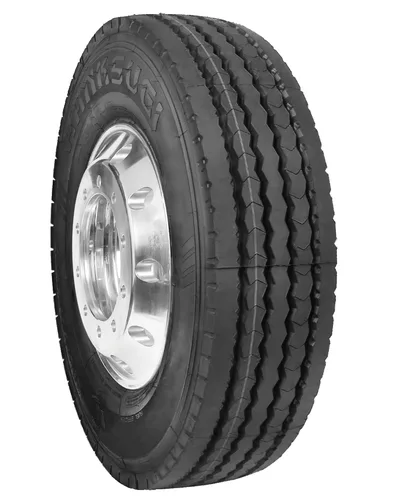
Tires for prime mover with low rolling resistance, designed for maximum efficiency of fuel, extended mileage and the lower cost per kilometer in highways interestatales.
The transport of long-haul is the columna vertebral of the flete Israeli. A prime mover that recorre the corridors road between distribution centers covers of 160,000 a 240,000 kilometers to the year, and the tires in that truck are the higher cost variable after of the fuel. Elegir the tires right for long-haul no is a cuestión of preference: is a decision financiera that affects the consumption of fuel, the intervalos of maintenance and the total cost of propiedad in each kilometer of each route.
The feature definitoria of a verdadera tire of long-haul is the low rolling resistance. Every revolution of a tire of truck requires energy for deformar the tread and the sidewall a size that the footprint of contact moves through your superficie. The tires with lower hysteresis -- the energy lost as heat during each cycle of deformation -- require less fuel for maintain the speed. En a combinestion prime mover Clase 8, the tires representan aproximadamente the 30% of the rolling resistance total. A reduction of the 10% in the rolling resistance of the tires se traduce in aproximadamente a 3% of reduction in the consumption of fuel. A 75.700 litros by year and the pricing actuales of the diésel, that is a difference measurable in the presupuesto operativo of each truck of the fleet.
More beyond of the rolling resistance, a tire of long-haul must offer a wear predecible and even across your cara of rolling. The driving in highway a speeds sustained produces a pattern of wear different to regional service of start-up and parada. The better tires of long-haul use geometrys of tread and formulations of compounds that se wear evenmente of shoulder a shoulder, allowing to the managers of fleet predecir the intervalos of retiro with trust and programr the cambios of tires during the windows of maintenance planifieverys, instead of lidiar with failures in highway. El even wear also preserves the features of efficiency of fuel of the tire a along all your service life, since a tire with wear uneven generates more rolling resistance that a with a perfil of band consistent.
The capacity of retreading is the tercer pillar of the economy of the tires for long-haul. A casing of tire premium representa aproximadamente the 60% of the total cost of the tire, while tread rubber representa nearby of the 40%. When a tire of long-haul alcanza the depth minimum of band in a truck well mantenido, the casing below aún must have a life structural significativa. Retread that casing with rubber new costs aproximadamente between the 30-40% of a tire new, allowing efectivamente to the fleet obtener two or three cycles of life of a sola purchase of casco. Por that the quality of the casing importa both as the performance of the band in the choice of tires for long-haul: a tire that delivers a strong mileage original but destruye your casing in the process is a bad investment comparesda with a that maintains the integrity of the casing for 3 guaranteed retreads.
The program low rolling resistance provides a verification independiente and of thirds of that a tire meets with umbrales specific of rolling resistance. Para the fleets of long-haul, the technology of low rolling resistance no is only a credencial environmental: is a indicador direct of the performance of efficiency of fuel. The tires with low rolling resistance have been probadas in equipment of laboratorio estandarizados and confirmadas as inferiores to the umbrales of rolling resistance establecidos by the EPA for commercial truck tires. All the tires Hanksugi Israel for long-haul feature technology of low rolling resistance, confirming that meet with these estándares of efficiency of fuel in positions of steer, drive and trailer.
Many larges generators of load and operators logísticos now require the use of tires efficient of your carriers aliados, it that includes usar tires with low rolling resistance. Operar with tires with low rolling resistance on all positions of a combinestion prime mover can contribuir to the puntaje general of efficiency energética of a fleet, it cual can be a advantage competitiva to the licitar contratos of flete with generators of load environmentalmente aware.
A solution complete of steer tires, drive and trailer for operations of long-haul by highway. Every tire of this line is with low rolling resistance and built about a retreadable casing.
The price of purchase is the number less importante to the evaluar the tires of truck for long-haul. The métrica that determina the cost real of a tire is the cost per kilometer (CPK): the expense total in a tire dividido by the total of kilometers that delivery. El CPK captura the price of buy, the impact in fuel, the cost of maintenance and the valor of retreading of the casing in a only number that allows a comparison direct between two options of tires, independientemente of your pricing of sticker.
To calculate the CPK of a long-haul tire, start with the cost of acquiring a new tire. Add the estimated impact of fuel cost during the tire's service life, which requires understanding the rolling resistance coefficient of the tire relative to alternatives. Subtract the retread credit: the value of the casing when sent for retreading, which depends on the casing's condition and the retreading cost versus a new tire. Divide the total by the number of kilometers the tire delivered from new through to its retirement. The resulting CPK gives an equivalent comparison that considers all the financial factors, not just the purchase price.
Para the fleets of long-haul, the cálculo of the CPK almost always favorece a the tires premium about the alternativas economics. A tire that costs a 15% more to the momento of the purchase but delivers a 25% more than mileage and produces a retreadable casing has a CPK more under that a tire more barata that se wears faster and cuyo casing no is apto for retreading. The tires Hanksugi for long-haul are designed for offer a CPK competitivo through the combinestion of service life extended of the band, savings of fuel by low rolling resistance and retreadable casings of high quality that supporting 3 cycles of retreading guaranteed of band.
The total cost of operar a tire in a truck of long-haul includes severel componentes more beyond of the price of buy. El impact of the fuel is the higher cost oculto: a tire with higher rolling resistance costs more per kilometer in fuel that a alternativa of low resistance with low rolling resistance, and that cost se acumula in each kilometer of the life of the tire. The costs of time dead by failures in highway relacionadas with tires are another factor; a reventón or desinflado in a highway interestatal can costar between USD 500 and USD 1.000 or more in service of emergency in highway, retrasos of load e ingresos perdidos. The tires premium for long-haul with better construction and resistance to the heat reduces the probability of these costly eventos. Finalmente, the valor of retreading of the casing agrega a crédito for compensar the price of purchase original, reducing efectivamente the CPK for the tires that maintain the integrity of the casing during all your service life of band.
The error more común that cometen the managers of fleet to the seleccionar tires is operar tires regional in routes of long-haul, or viceversa. These two categorys of application require designs of tires fundamentally differents, and emparejar badly the tire with the application desperdicia money already is by exceso of consumption of fuel or by wear prematuro.
The 80/20 rule is a useful guide: si more thanl 80% of kilometers of a truck are in highways interestatales a speeds sustained, the tires for long-haul are the choice right. Si more thanl 20% of kilometers involucran driving urban, stops frequent, maniworksites in muelles or surfaces road mixed, the tires regional will offern a better performance of total cost a pesar of your higher rolling resistance. Para operations that se find in the medio, considere the for axles of drive since your band deep offers cierta versatility, and consulte with your dealer Hanksugi for a analysis specific of route.
Every position of axle in a combinestion prime mover of long-haul has demands differents. Emparejar the right tire with each position maximiza the performance and minimises the cost across the vehicle.
The axle of steer demands a answer of manejo precisa and a even wear across the cara of the band. The steer tires for long-haul usan designs of multiple ribs with grooves circumferenceles rectos that channel the water outside the footprint of contact and maintain the directional stability a speeds of highway. The HS36 features technology anti-wear uneven that prevents the wear escalonado of the shoulder común in steer tires, extending the mileage of retiro and maintaining the precision of steer during all the service life of the tire. The compounds of low rolling resistance maintain low the costs of fuel without sacrificing the grip in wet. The depths of band of 12mm a 16,5mm equilibran the mileage with the management of the heat a speeds sustained of highway.
The axle of drive transmite engine torque to the highway and is the punto main of drive for acceleration and braking. Para long-haul, a design of closed shoulder as the the offers the lower rolling resistance of any configuration of tire of drive. El design of bloque central hexagonal of the HS88 distribuye the estrés evenmente across the cara of the band, and your depth of band of 29/32" provides a service life extended that justifica your positionamiento premium. The ribs of closed shoulder create a band of contact continua that reduces the bamboleo and noiseido of the band, and the compound of dispersion even of carbon maintains features consistent of drive a size that the tire se desgasta. Para fleets that recorren more than 160,000 kilometers anuales by truck, the HS88 is the recommendation main for all the positions of axle of drive.
The trailer tires ruegive libremente without power of the motor, it that does that the rolling resistance is the factor of performance dominante. Every libra adicional of rolling resistance in a tire of trailer is puro waste of fuel. The and the are designed específicamente for service of trailer of long-haul with compounds of low hysteresis and patterns of band simplificados that minimise the loss of energy. The HS86T agrega a pack of four belts of steel for higher resistance a punctures in routes where the desechos in the road are a concern, offering seguro against the costsas llamadas of service in highway that resultan of failures in trailer tires. Ambos models feature technology of low rolling resistance and have retreadable casings. Para fleets operating drop-and-hook where the trailers permanecen inactivos between loads, the stability of the compound of the familia HS86 during periods of rest extended ayuda a prevenir the flattening.
The tires Hanksugi for long-haul cover the principales sizes of truck commercial usesdas in highways Israeli. Make clic in any size a continuation for see specifications detalladas, capacityes of load and availability of models.
| Size of Tire | Position | Models Availables | Depth of Tread | Details |
|---|---|---|---|---|
| 295/75R22.5 | Drive | HS88 | 29/32" | See Guide of Size |
| 11R22.5 | Drive | HS88 | 29/32" | See Guide of Size |
| 11R24.5 | Drive | HS88 | 29/32" | See Guide of Size |
| 295/75R22.5 | Trailer | HS86, HS86T | -- | See Guide of Size |
| 11R22.5 | Trailer | HS86 | -- | See Guide of Size |
| 11R24.5 | Trailer | HS86 | -- | See Guide of Size |
| 385/55R22.5 | Steer / Axle Free | HS36 | 12-16,5mm | See Guide of Size |
The difference between obtener 290.000 kilometers of a juego of tires for long-haul and obtener 400.000 kilometers no is the tire, is the program of maintenance. The tires for long-haul are designed for deliveryr the maximum mileage, but only when the truck that the supports is rightmente mantenido and the tires same reciben service constante.
The inflado adecuado is the factor more importante in the service life of the tires for long-haul. Verifique all the pressures of the tires semanalmente with a calibrated gauge when the tires are cold, no when are hot after of horas of operation in highway, since this can inflar the lecturas in 10-15 PSI and enmascarar givegerous underinflateds. A tire that is 20% subinflada pierde aproximadamente the 25% of your service life of band due to the wear excesivo of the shoulder and generates significativamente more heat, it that degrada the casing and reduces the powerl of retreading. The drive tires for long-haul in dual configuration típicamente operate a 100-110 PSI for loads estándar, but always consulte the tablas of load/inflado for your model specific of tire and the weights real of the axle. Invertir in sistemas of monitoreo of pressure of tires (TPMS) that alertan to the conductores about caídas of pressure in real time se paga only to the prevenir the damage in casevery that ocurre when a tire operate subinflada by periods extended.
En a truck of long-haul that recorre 193,000 kilometers by year, even a small error of alignment in the axle of steer destruye the tires a a ritmo alarmante. A badly alignment of convergence of only 1,5 millimetres arrastra each tire of steer lateralmente aproximadamente 2,4 metros by each kilometer recorrido. A along 193,000 kilometers, that are almost 320 kilometers of arrastre lateral in each tire of steer, suficiente for desgastar prematuramente the shoulder of the band and create the pattern of wear plumeado that is the signo revelador of badly alignment. Check alignment of the axle of steer each 80.000 kilometers and always that a conductor reporte a jalón or deviation. En the axles of drive and trailer, verifique the tracking of the axle (ángulo of empuje) for ensuresr that the dual run straight and don't rub against each other.
The dual of the axle of drive must be matched within 3,2mm of depth of band. When a dual is of lower diámetro that your par, gira faster and arrastra against the pavement, creating a condition of arrastre internal that wastes fuel and wears ambas tires of manera uneven. Mida the depth of band on all drive positions each 40.000 kilometers and rote interior a exterior according to is necessary to even out wear. Al replace a sola tire in a dual pair, always empareje the replacement with the circumference of the tire restante. No empareje a tire new with a even medio gastada.
Retire the tires of long-haul for retreading before that the tread se wear more beyond of indicators of wear. Operar a tire more beyond of the depth minimum of band no ahorra money: arriesga damage the casing and elimina the option of retreading that representa the better retorno about the investment original of the tire. Al retirar tires for retreading, inspeccione damage that could comprometer the integrity of the casco: cuts or enganches in the sidewall, damage in the área of the talón, separations of belt visibles as protuberancias or abultamientos, and damage by heat of eventos of underinflated. Almacene the casings retirados in a área clean and dry far of the luz solar and equipment generators of ozono. Envíe the casings a a retreadedr qualified within 30 days posteriores to the retiro. Para more information about the design of casing ready for retreading of Hanksugi, vea our retread program.
No operate long-haul? Encuentre the tire Hanksugi right for your application specific of transport.
Tires of drive of open shoulder and steer tires resistant to arrastre for LTL, recogida and delivery, and routes of distribution urban with stops frequent.
Tires resistant to cuts and chunking for operations of construction, mining, energy and services mixed that dividen your time between highway and worksite.
Tires of high performance for tippers, concrete mixers, vehicles of waste collection and other applications vocational with loads extreme and giros cerrados.
Explore the line complete of drive tires Hanksugi, including models of closed shoulder, open shoulder and mixed service for each application.
Questions common about tires for truck of long-haul, choice of tires for prime movers and maintenance of tires for prime movers.
A good tire for truck of long-haul combines low rolling resistance for efficiency of fuel, tread deep for extended mileage, features of even wear for intervalos of retiro predecibles, and a retreadable casing that extends the investment total in tires through 3 cycles of retreading guaranteed. The technology of low rolling resistance confirma that a tire meets with estándares of the EPA for low rolling resistance, it that you can save to the fleets between 2-4% in costs of fuel. The better tires of long-haul also feature compounds resistant to heat that maintain the integrity structural a speeds sustained of highway during hundreds of miles of kilometers.
The tires premium of drive for long-haul in trucks well mantenidos típicamente deliver between 240,000 and 400.000 kilometers before reaching the depth minimum of band, depending of the weight of the load, the terrain and the prácticas of maintenance. The steer tires in service of long-haul comúnmente alcanzan between 240,000 and 320.000 kilometers. The trailer tires, that experimentan less arrastre that the drive, can reaching between 320.000 and 480.000 kilometers. These cifras asumen a management adecuada of inflado, alignment and distribution of load. El retreading of a casing of quality can agregar other 160,000 a 240,000 kilometers by cycle of retreading.
The tires of long-haul are optimisesdas for speeds sustained of highway with stops minimums, prioritisedo the low rolling resistance, the efficiency of fuel and the even wear of the band. The tires regional are designed for driving frequent of start-up and parada with more giros, maniworksites in muelles and surfaces road varied, prioritisedo the drive and the resistance to the arrastre. The drive tires for long-haul típicamente usan designs of closed shoulder, while the drive tires regional usan patterns of open shoulder for better grip across clima. Usar tires of long-haul in regional service can causar wear uneven prematuro, while usar tires regional in routes of long-haul wastes fuel.
Yes. The tires with low rolling resistance are probadas and certifieverys of manera independiente for meet with umbrales of low rolling resistance. Para a fleet of long-haul, the tires representan aproximadamente the 30% of the rolling resistance total, it that affects directamente the consumption of fuel. The tires with low rolling resistance can reduces the costs of fuel between 2-4% in comparison with alternativas no verifieverys. En a truck that consumes 75.700 litros by year, a savings of the 3% in fuel to the pricing actuales of the diésel produces savings anuales significativos by truck. Para fleets of severel trucks, the impact acumulativo is sustancial. All the tires Hanksugi Israel for long-haul feature technology of low rolling resistance.
Yes, the casings of the tires premium for truck of long-haul are designed específicamente for retreading. The tires Hanksugi for long-haul use construction of belts of steel multicapa and compounds resistant to heat that preservan the integrity of the casing during all the service life original of the band. A casing in good conditions típicamente can soportar two retreads, tripling efectivamente the valor of the purchase original of the tire. Retire the tires before that the band se wear more beyond of indicators of wear, maintain proper inflation during all the life of the tire, and trabaje with a facility of retreading qualified that utilice trys no destructivas for verificar the integrity of the casco.
The steer tires for long-haul típicamente operate between 105-120 PSI depending of the weight of the axle and the size of the tire. The drive tires in dual configuration comúnmente funcionan a 100-110 PSI for loads estándar. The trailer tires usualmente operate a 100-110 PSI. The pressure of inflado right depends on the weight real of the axle, no of the capacity maximum of load. El sobreinflado concentra the wear central, while the underinflated causa wear in the shoulder, accumulation of heat and damage to the casco. Always consulte the tablas of load/inflado for your model specific of tire and verifique the pressure semanalmente with a calibrated gauge when the tires are cold.