
Tires of high resistance all position and of drive designed for tippers, concrete mixers, vehicles of collection and fleets vocational with demands of load extreme.
Vocational transport covers the specialized commercial vehicles that build, supply and maintain everyday infrastructure. Tippers hauling aggregate for road construction. Concrete mixers delivering ready-mix to construction sites. Trucks of basura and waste collection in routes residenciales and commercial. Trucks of utility services giving maintenance a lineups eléctricas e infrastructure of communications. Equipment of bomberos responding a emergencys. These vehicles operate in entornos that are fundamentally different of corridors of highway that recorren the trucks of long-haul and regional, and need tires designed for your demands específicas.
The feature definitoria of operations of trucks vocational is the combinestion of loads extreme with maniworksites punitivas a low speed. A tipper loaded with 36.000 kg of PBV doing giros cerrados in a site of construction impone more estrés in your tires in a only giro that a truck of long-haul in 160 km of driving recta in highway. The sidewalls of the tires se flexionan under the load lateral masiva, the band raspa lateralmente against the surface of the pavement, and all the casing absorbe forces that would be impensables in service of highway. Agregue the golpes of andén by navegar streets residenciales estrechas, the cycles thermals of hundreds of stops to the day and the exposition a debris of sites of work, and queda claro by what the tires estándar of highway fallan rápidamente in service vocational.
The tires vocational aborgive these demands through three estrategias of engineering. First, construction of casing more strong with capas of body adicionales and belts of steel of higher calibre that supporting the loads extreme without deflexión excesiva. Drynd, compounds of band harders and duraderos that resist the forces lateral of buffing of giros cerrados and the abrasion of surfaces uneven. Third, sidewalls reinforced with espesor of rubber adicional and protection of the área of the ceja that absorben golpes of andén and damage by impact without comprometer the integrity of the casco. These features increase the weight and the resistance to the tread of the tire in comparison with the tires of highway, but in service vocational where the speeds promedio are low and the loads are high, the compensation of durability is necessary and rentable.
GAWR (Gross Axle Weight Rating) is the specification crítica for the choice of tires vocational. Every axle in a vehicle vocational has a rating maximum of weight established by the fabricante, and the tires in that axle must be colectivamente qualifieds for soportar that weight. Para a tipper típica with drive tandem axle with a GAWR of 18.000 kg by axle and tires dual, each tire must be qualified for to the less 4.500 kg to the inflation pressure operativa. Selecting tires with ratings of load by below of the weight operativo real causa overheating, wear acelerado and failure estructural. The rating of load of a tire varies with the inflation pressure — the same tire supports more weight a 120 PSI that a 100 PSI. Always cruce the reference of your weights real of axle (no only the GAWR) against the tablas of load/inflado for your model specific of tire for confirmar capacity adecuada.
Tires all position, of drive and steer built for loads extreme, giros cerrados and conditions hard of the transport vocational. Compounds resistant to grietas with retreadable casings.
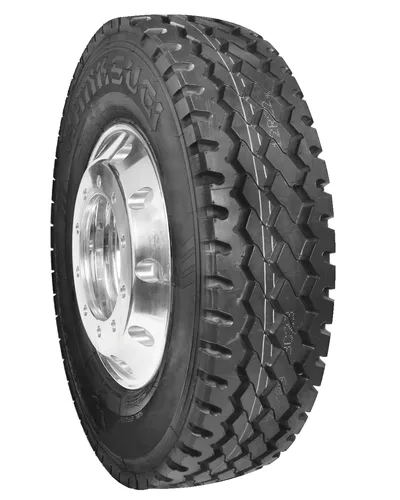
Tire all position of mixed-use with compound resistant to grietas and low generation of heat. Depth of band of 16.5mm in sizes principales. Ideal for tippers, mixers and fleets vocational that need a tire in all the positions.
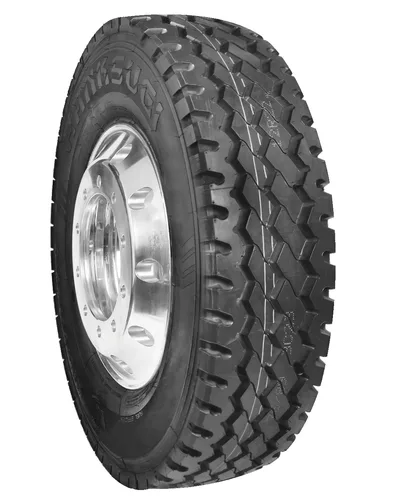
Tire all position improved with drive superior and compound resistant to grietas for applications vocational more demanding. Clasifievery for high speed for tránsito of highway between sites of work.
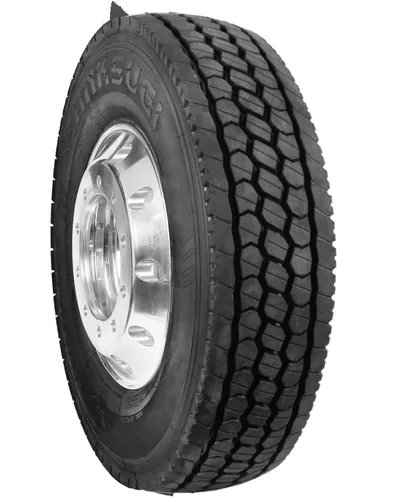
Drive tire of open shoulder with protection antirroca, footprint of band wide and compound resistant to grietas/chunking. Proporciona drive for tippers and vehicles vocational that transitan between pavement and sites of work.
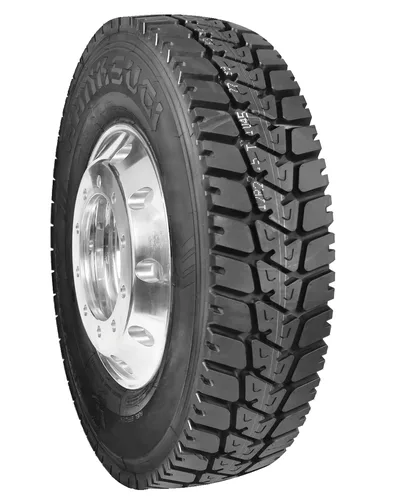
Drive tire aggressive with pattern M+S and laminations antipunctures. Tread deep of 20.6mm with excellent grip in surfaces pobres. Built for the service more hard in axle of drive vocational.
Every application vocational has demands distintas of tires. The right tire depends on the tipo of vehicle, the loads típicas, the entorno operativo and the proportion of kilometers in highway a outside highway.
The tippers operate in or nearby of the PBV máximo when are loaddas, dividen your time between sealed highways and sites of construction, and do giros cerrados in sites of work that estresan the steer tires. The tire all position HS64 is the recommendation main for tippers because your compound resistant to grietas maneja both the tránsito of highway as the exposition of the site of work, while your versatility all position allows to the fleets almacenar a only model for positions of steer, drive and axle of apoyo. Para tippers that operate principalmente in surfaces rugosas of agregado, the HS68 in the axle of drive provides drive adicional and protection antirroca.
The concrete mixers are between the vehicles vocational more heavys, with weights loaded that llevan the loads by axle to the limits legal máximos. El tambor giratorio desplaza the centro of gravedad more high that a truck estándar, creating a transfer of load lateral adicional during turns. The conductores of mixers also do giros cerrados in sites of construction while the truck is in weight máximo — a combinestion punitiva for steer tires. The HS64 with your features of low generation of heat maneja the estrés thermal of the operation of heavy loads a low speed. Para axles of drive in mixers that operate frequently in surfaces muddy or unsealed, the HS58 provides aggressive drive with protection antipunctures against the varillas and debris in sites of vaciado of concrete.
The trucks of collection are the application more hard in the transport vocational. A truck residencial of load lateral does between 800 and 1.200 stops to the day, each requiring acceleration, braking and entrada of steer that generates heat and raspa the rubber of the band. El weight loaded increases with each parada up to that the truck llega to the station of transfer or to the relleno sanitario. El contact with andenes is constante e inevitable. The HS64 aborda the application of collection with your compound resistant to grietas that supports the cycles thermals of hundreds of stops diarias and a construction of sidewall that absorbe the golpes of andén. The HS64+ KRATO MIX offers drive improved for trucks of collection that operate in conditions of all clima with grip superior in streets residenciales mojadas.
The trucks of utility services — trucks with canasta, cranes drills and vehicles of service for companies of energy, gas and communications — operate both in urban environments as in rural areases remotas. These vehicles transport equipment montado heavy that creates a centro of gravedad high, it that amplifica the forces lateral during turns. Frecuentemente operate in bermas soft and roads of acceso unsealed. The tire all position HS64 provides the versatility that these vehicles of mixed-use need. Para trucks of utility services that pasan time significativo in roads unsealed accessing a infrastructure remota, the HS68 in the axle of drive adds drive in surfaces sueltas maintaining a performance of highway adecuado for the tránsito between sites of work.
A of decisions more prácticas for gestores of fleets vocational is si standardise with a sola tire all position or usar tires specific by position optimisesdas for each axle. Ambas estrategias have advantages legítimas.
Para the most of operations vocational, the estrategia all position with the HS64 offers the better combinestion of performance, simplicity and control of costs. The fleets operating a only tipo of vehicle in conditions severe (p. ej., a fleet ofdicated of collection or a operation of tippers of quarry) can benefit of tires specific by position in positions of axle more estresadas.
The trucks vocational are harders with the tires that any another category of vehicle commercial. The combinestion of heavy loads, giros cerrados, stops frequent, exposition a andenes and operation in surfaces mixed creates a entorno of maintenance where the descuido se castiga faster and more severemente that in service of highway. A program disciplinado of maintenance of tires is the difference between obtener a service life aceptable of the tires vocational and quemar tires a a ritmo that does that the fleet no is rentable.
The vehicles vocational operate in percentages more high of your capacity maximum of load that the trucks of highway, it that significa that the tires are more nearby of your limits estructurales across momento. El underinflated in service vocational no only is a waste — is givegerous. A tire subinflada in a 15% while load a weight almost máximo generates heat extremo in the area of flexión of the sidewall, it that can causar a ruptura tipo cierre — a failure catastrófica of the sidewall that happens suddenly and can injure anyone that is standing near. Check the pressures daily before the primer viaje. The tires vocational típicamente operate a pressures more high (110-120 PSI in steer, 100-110 PSI in dual of drive) for soportar the heavy loads. Verifique your pressure objetivo against the tablas of load/inflado for your model specific of tire and the weights real of the axle. No asuma that the pressure in the placa of the door of the truck is right for your weight operativo real — the trucks vocational frequently se loadn more heavys that the specification of the placa.
The steer tires in trucks vocational se wear faster that in any another tipo of truck because turns cerrados constant a heavy loads raspan the band of manera aggressive. The patterns of wear uneven in steer tires vocational are common e indican misalignment, componentes of steer desgastados, or ambos. Check the alignment of the axle of steer each 50,000 km for trucks vocational — with more frequency that the intervalos of 65.000-80,000 km used for trucks of highway and regional. Reemplace puntas of steer, pins of rey and barras of arrastre desgastados with prontitud, since the juego in these componentes allows that the steer tires oscilen during turns, it that creates the patterns of wear tipo copa and diagonal that acortan the service life of the tire. Rotar the steer tires of lado a lado each 32.000-40,000 km can igualar the wear of the shoulder by the steering bias (routes that giran more in one direction than in the other).
The golpes of andén are a made of the life in the transport vocational. the trucks of collection golpean andenes in each route residencial. The tippers contactan andenes in áreas of construction estrechas. The concrete mixers navegan streets estrechas with autos estacionados that fuerzan to the truck nearby of the andén. Every golpe of andén damages the sidewall of the tire, and the damage acumulativo eventualmente causa failure estructural. Capacite to the conductores for minimisesr the contact with andenes when is posible, but acepte that any contact is inevitable and seleccione tires with construction of sidewall reinforced. Inspeccione the sidewalls daily for detectar cuts that expongan the cordones of the casco, protuberancias that indiquen damage internal and patterns of abrasion that sugieran that the tire is contacting regularmente a objeto fijo. Retire inmediatamente any tire with cordones expuestos or protuberancias visibles.
The casings of tires vocational can retreadse, but the tasa of success depends on what so well se maintained the tires during your service life original. The casings that operated underinflateds, absorbed golpes strong of andén or circulated desinflados have less probabilities of producir candidatos viables for retreading. Para maximise the powerl of retreading: maintain a disciplina estricta of inflado, retire the tires to the depth right of band before that lleguen to the indicators of wear, inspeccione and repare the punctures reparables with prontitud, and almacene the casings retirados apropiadamente. El retread program Hanksugi evalúa casings of service vocational with the understanding of that these casings have soportado more estrés that the casings of highway, and the inspectores qualifieds evalúan si the casing can soportar of manera segura another service life of band.
Encuentre the tire Hanksugi adecuada for your operation específica.
Tires resistant to cut and astillado for operations of construction, quarries and mixed service in unsealed surfaces e uneven.
Tires of highway of low resistance to the tread for operations interestatales with verification SmartWay and maximum efficiency of fuel.
Tires of drive of open shoulder for LTL, collection and delivery, and routes of distribution urban with stops frequent.
Tires versatile that se perform in positions of steer, drive and trailer for fleets that need simplicity of insalerio.
Questions common about tires for truck vocational, tires for tippers, tires for concrete mixers and tires for trucks of collection.
A tire for truck vocational is designed for vehicles commercial specialized — tippers, concrete mixers, garbage trucks, vehicles of utility services — that operate in entornos demanding no dominados by highway. These vehicles comparten challenges common: weights of load extremes nearby of limits of GAWR, giros cerrados frequent, golpes of andén and transitions between sealed roads and sites of work. The tires vocational usan constructiones of casing more strong, compounds harders and sidewalls reinforced for manejar these demands.
The most of tippers Clase 8 usan tires 11R22.5 or 11R24.5. The 11R22.5 is the size more común for tippers estándar and concrete mixers. The 11R24.5 se usa a times in tippers of three axles and vehicles more larges that need capacity of load adicional. The construction radial is estándar for vehicles that dividen your time between sites of work and highways públicas.
The trucks of collection destruyen tires faster due to a combinestion of factores extremes: heavy loads in or by above of limits of GAWR, between 800 and 1.200 stops to the day with acceleration and braking constant, giros cerrados a low speeds that raspan the rubber of the band, contact frequent with andenes, and operation in streets residenciales with reductores of speed, huecos and debris. The tires of the axle of steer are particularmente vulnerables because turns cerrados constant generate forces lateral extreme. The tires specific vocational with compounds harders and sidewalls reinforced extend the service life of the tire significativamente versus the tires estándar of highway.
Yes, the tires vocational can retreaded si the casing is in good condiciónes. El service vocational is more hard in casings that the service of highway due to loads extreme, impacts frequent and estrés thermal. The clave for retreadable casings is maintain proper inflation during all the service life of the tire, avoidsr circular desinflado and retirar the tires to the depth right of band. The tires vocational Hanksugi are built about retreadable casings with robust construction of belts of steel multicapa designed for sobrevivir the cycles of work vocational.
GAWR (Gross Axle Weight Rating) is the weight máximo that a only axle is designed for soportar. Para the choice of tires vocational, each tire in a axle must be qualified for soportar your part of the GAWR to the inflation pressure operativa. A tipper with drive tandem axle with GAWR of 18.000 kg by axle and tires dual requires that each tire is qualified for to the less 4.500 kg. Selecting tires with capacity of load insufficient causa overheating, wear acelerado and failure estructural. Always verifique the ratings of load of the tires against the weights operativos real, no only the placa of GAWR.
Depende of the size and the complexity of the fleet. The tires all position like the Hanksugi HS64 simplifican the insalerio, allow the rotation between positions and reduces the complexity of the tires of repuesto. The fleets more larges with workshops dedicados of tires can benefit of tires specific by position optimisesdas for each axle. Para the most of operations vocational, a tire all position of high quality provides the better equilibrio of performance, versatility and efficiency of insalerio.