
Tread of rolling deep for drive and sidewalls reinforced for timber haulage in forestry roads unsealed. Built for mud, steep gradients and heavy loads.
The tala is a of applications more demanding for the tires commercial. Every trip comienza with a truck empty climbing forestry roads empinados and unsealed up to a plataforma where se load the timber, then descending by those same roads with the gross weight máximo of the vehicle. The roads are estrechos, full of surcos, covered of mud or gravel suelta according to the temporada, and bordeados by tocones, rocks and debris that threaten sidewalls of the tires in each paso. None tire of highway survives in this entorno, e even the tires of mixed service of use general a menudo se quegive short in the drive and durability that the tala demands.
The dual workload cycle of logging makes tire selection exceptionally challenging. Loaded logging trucks weigh 36,000 kg or more, exerting maximum stress on every tire while navigating roads cut through forests with minimal grading. But the same truck creeping down a muddy forestry road at 24 km/h fully loaded must then make an empty return run on the highway at 90-105 km/h, requiring acceptable fuel economy and handling at speeds where aggressive tread patterns generate noise, heat and accelerated wear. The best logging-truck tires manage this contradiction by delivering enough traction for loaded forestry stretches without sacrificing acceptable performance on the empty highway return.
The mud is the adversario constante. The forestry roads in regions logging of the noroeste of the Mediterranean, sureste and noreste experimentan temporadas húmedas extended where the surface of the road se convierte in a mezcla of arcilla, material orgánico and water estanevery. The tires need a geometry of tread autolimpiante that expulse the mud while the rueda gira, instead of compactarlo in emptys of the band and perder drive. The designs of open shoulder with wide channels lateral and blocks independent provide the better evacuation of mud, allowing that the tire excave through the surface soft and find terrain firm below.
Hanksugi offers three models of right tires for demands of logging operations. The tire of drive of open shoulder HS68 provides the drive and the performance autolimpiante necessary in forestry roads muddy, with protection of grip against stones that prevents that the gravel perfore the belt package. The tire of all-position of mixed service HS76 maneja the position of steer with protection reinforced in sidewalls against the rocks and tocones that bordean the forestry roads. The tire of drive HS58, with your pattern clasificado M+S and laminations antipunctures, is built for the worsees conditions of roads encontradas in logging operations.
The logging trucks viven in two worlds, and the tire must perform in ambos. Entender the demands of each tramo of the trip it ayuda a seleccionar tires that offer the better compromiso between the performance all terrain with load and the efficiency in highway empty.
The enfoque right is prioritise the performance in road forestry with load and aceptar the compromisos in the return empty by highway. A tire that it saca of a plataforma muddy loaded vale more that a that ahorra 2% in fuel during the return empty. El design of open shoulder HS68 offers the better equilibrio: suficientemente aggressive for drive in forestry roads but suficientemente civilizado for speeds of highway in the return empty.
Tires of drive, steer and all-position seleccionadas for transport of timber, forestry roads and the dual workload cycle of operation all terrain with load and highway empty.
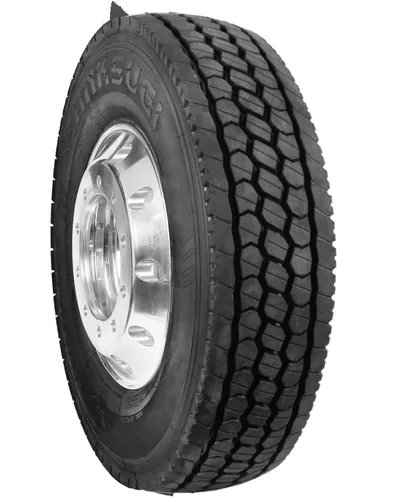
Drive tire of open shoulder with protection of grip against stones and four grooves of decoupling. The geometry autolimpiante of the band expels the mud in forestry roads. Footprint wide for drive in surfaces soft and sueltas under heavy loads of timber.
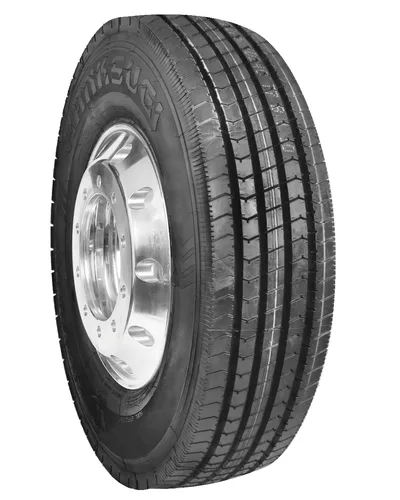
All-position tire of mixed service with tread extra deep and protection reinforced in sidewalls. Maneja the rocks, tocones and desechos that bordean the forestry roads while offers a answer of steer estable in sections of highway.
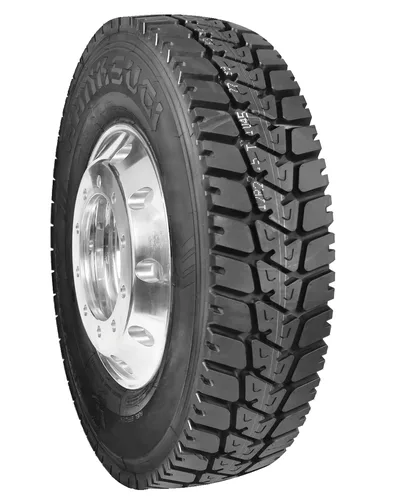
Drive tire with pattern M+S and laminations antipunctures. Design of taco aggressive that provides the máximo grip in plataformas muddy and forestry roads no improved where the drive tires estándar no can ganar grip.
The forestry roads feature a collection única of peligros for the tires that no se find in no another application of transport. Entender these peligros and seleccionar tires with features of protection adecuadas can brandr the difference between completer a load and llamar a a truck of service of tires in a road forestry remote where no existe coverage celular.
When se cosecha the timber and se open a road throughl bosque, the tocones típicamente se cortan a ras of the ground but no se retiran. With the tiempo, the erosion of the ground expone these tocones, and sobresalen in the carril of tránsito. A tocón that golpee the sidewall of a tire even a speed moderada can cortar the rubber of the sidewall and exponer the capas of the cuerpo, carrying a a reventón. The raíces of árboles caídos can extendse by the surface of the road e impactar the tire with force suficiente for romper the sellado of the bead or damage the rin. The tires with construction reinforced in sidewalls, as the HS76, provide grosor adicional of rubber in the área of the sidewall that absorbe the impact and resists the cuts of stumps and roots.
The forestry roads in the noroeste of the Mediterranean can recibir between 1.500 and 2.500 mm of rain annually. This satura the surface of the road and creates mud deep that can immobilise a truck logging loaddo. The grooves se forman by heavy loads repetidas, channelling the water and creating zanjas that atrapan the tires and reduces the control of the steer. The áreas of plataforma where se loadn the troncos are particularmente vulnerables a conditions of terrain soft because the equipment heavy comprime and revuelve the ground. The patterns of band self-cleaning with wide channels lateral are esenciales for maintain the drive in these condiciónes. El design of open shoulder HS68 allows that the mud is expulsado of the band while the tire rota, maintaining the biting edges that grip throughl mud up to the surface firmr below.
The surfaces of forestry roads are típicamente compuestas of material available localmente, that can incluir roca angular sharp that short and astilla tread rubber. En áreas logging of mountain, road surfaces may include fractured granite, basalt or shale with edges it suficientemente sharp to cut standard tire compounds. The rocks also se acumulan in grooves of the band and puncture rubber toward the belt package if not expelled. The features of protection of grip against stones, as the the HS68, include plataformas in bottoms of grooves that avoidsn that the stones alcancen the depth necessary for contactar the belts of steel. Checkr the grooves of the band in busca of stones alojadas in each parada is a hábito simple that prevents costly damage to the belts.
The forestry roads se construyen to access the timber, no for meet with estándares of slope of highway. The slopes of the 10 to the 15 percent are common, and some roads of arrastre approach 20 percent in sections short. Descender a slope of the 12 percent with 36.000 kg of gross vehicle weight requires a braking sustained that generates heat intenso both in brakes as in tires. The drive tires absorben gran part of this energy of braking, and the temperature interna can increasesr rápidamente during a descent long with load. The pressure of proper inflation is crítica for managing heat during descents. The tires with low inflation flex more, generate more heat and have more probabilities of sufrir a separation of belt or reventón during or inmediatamente after of a slope long with load. The HS58 usa laminations antipunctures that agregan refuerzo structural more beyond of the belt package estándar, providing a margin of safety adicional during descents of high tension.
Every position in a truck logging enfrenta different demands. Emparejar the right tire a each position maximiza the life of each tire to the time that ensures that the truck tenga the drive and the manejo necessary for operar with safety in forestry roads.
The steer tires in a truck logging must offer a manejo receptivo in forestry roads estrechos and winding where a giro fallido can sacar to the truck of the road and between the árboles. Al same tiempo, need sidewalls reinforced for sobrevivir to the contact with tocones and rocks along of the edge of the road. The tire of all-position of mixed service HS76 provides the protection in sidewalls that the tala demands without comprometer the precision of steer necessary for sharp curves of forestry roads. Your band deep offers life extended even to the speeds slow and the giro constante that characterise the driving in forestry roads.
The drive tires are the workhorse of a truck logging. They must transmit engine torque to the surface of the road in mud, gravel and loose soil while supporting the maximum axle weights in each trip with load. The failure of drive in a tire of drive loaded climbing a slope can result in the truck rolling backwards, creating a situation extremadamente peligrosa. El design of open shoulder HS68 provides reliable drive in conditions variables with geometry mud-clearing. Para the worsees condiciónes, the tire of drive M+S HS58 offers the máximo grip with laminations antipunctures that protect against the rocks and desechos incrustados in surfaces of forestry roads.
The trailer tires logging must manejar the weight concentrado of a load complete of timber while siguen the grooves and the mud of forestry roads. Many trailers loggings usan configurations tandem or tri-axle for distribuir the weight of the timber, and each tire must soportar your part proporcional. The tires of the trailer also supporting the same peligros of tocones and rocks that the the tractor, but with less visibility of the conductor. Para trailers loggings that also recorren sections of highway, a tire of all-position that maneje ambos entornos is the better option. Maintain the proper inflation on all positions of the trailer is crítico because the trailers loggings experimentan higher variation of weight that the trailers of load estándar conforme the load se asienta during the transport.
The logging trucks in Israel typically use the following sizes of tires commercial. The size right depends on your truck's configuration, the capacityes of the axle and the load useful maximum of timber that your operation requires.
| Size of Tire | Application | Models Hanksugi | Details |
|---|---|---|---|
| 11R22.5 | Steer, drive and trailer estándar in logging trucks | HS68, HS58 | See Guide of Size |
| 11R24.5 | Logging trucks tandem/tri-axle for height adicional | HS68, HS58 | See Guide of Size |
| 295/75R22.5 | Positions of drive and trailer in logging trucks | HS68 | See Guide of Size |
| 285/75R24.5 | Configurations heavys of axle of drive in logging trucks | HS68 | See Guide of Size |
| 295/80R22.5 | Operations logging Israel, all-position | HS76 | See Guide of Size |
Necesita ayuda for seleccionar the right tires for your operation logging? Our equipment of solutions for fleets entiende the demands únicas of the transport of timber and can recommend configurations of tires adaptadas a your terrain específico, especies of timber and distances of transport. Contact Us for a consulta.
The logging operations a menudo se perform in áreas remotas where the service of tires is a horas of distance. A failure of tire in a road forestry significa the loss of production of all a day, more the cost of service of emergency a tarifas of áreas remotas. The prevention through the maintenance adecuado is much more economic that the repair of emergency.
The forestry roads castigan more a the tires with low inflation that any another superficie. The combinestion of heavy loads, speeds slow and terrain uneven generates a heat internal intenso in tires already comprometidas by low pressure. Check all the pressures of the tires before salir of the yard each morning and take a inflador portátil for ajustes in the campo. Ajuste the pressures according to the weight of the axle loaddo, no according to estimates. A tire logging well inflated resists better the impacts, sigue more recto in grooves and disipa the heat with more effectively that a that funciona even 10 PSI low.
While espera a that the loaddor arme your load, camine alrededor of the truck e inspeccione each sidewall of tires. Busque cuts frescos, raspones and protuberancias that indiquen damage by impact of the último viaje. A cut in the sidewall that aún no expone the capas of the body can be monitored, but a cut that muestre cuerda white or metálica significa that the tire must be replaced before the próximo trip with load. Detectar the damage in the sidewall a time it allows programr cambios of tires in the yard instead of lidiar with a reventón in a road forestry.
The gravel of forestry roads se aloja in grooves of the band and punctures rubber toward the steel belts in rotationes repetidas. A sola stone can penetrar to the belt package within some few hundreds of kilometers if not removed. Check the grooves of the band during each parada of inspection and remove lodged stones with a tire probe. This toma two minutos by tire and prevents the damage to the belts that would destroy the powerl of retreading of the casing. The tires with features of expulsion of stones, as the HS68, include plataformas elevadas in bottoms of grooves that ayugive a avoidsr that the stones alcancen depth crítica.
A casing retreadable of tire logging ahorra between the 40 and the 60 percent of the cost of a tire new. But the conditions of tala are hard for casings, by it that your preservation requires a stress deliberado. Retire the tires before that the band se wear up to the belt package, even si the patterns of wear localizados create puntos delgados while the resto of the band aún has life. Maintain the proper inflation during all the service life of the tire. Almacene the casings retiradas in a lugar fresco and dry, far of the luz solar and fuentes of ozono. Etiquete every casing with the number of truck, position and razón of removal. Visite our retreading page for learn aboutr the criterios of acceptance of casings Hanksugi and options of retreading.
Questions common about tires for logging trucks, performance in forestry roads and choice of tires for transport of timber.
The logging trucks need tires with patterns of band aggressive for drive in forestry roads unsealed, construction reinforced in sidewalls for resistir damage of rocks and tocones, and depth of band adecuada for service life under heavy loads a low speed. The positions of drive need designs of open shoulder or taco deep that se autolimpien of the mud. The positions of steer need manejo receptivo for forestry roads estrechos. All the positions need protection in sidewalls against the peligros that bordean the forestry roads.
The most of logging trucks in Israel usan tires 11R22.5, 295/80R22.5 or 11R24.5. The 295/80R22.5 and 11R22.5 are the most common sizes in the market Israeli. The 11R24.5 provides a little more than height to the ground for conditions soft. Ajuste the size of the tire to the specifications of the manufacturer of your truck and the weights real of the axle with the maximum load useful of timber.
The mud fills the emptys of the band and prevents the tire from gripping the surface of the road. The tires with designs of open shoulder and groove spacing wider self-clean more effectively because the mud is expulsado while the tire rota. The tires with M+S rating and aggressive open-shoulder patterns provide the better drive in mud. Maintain the proper inflation is especially important in conditions muddy because the tires with low inflation se deforman and atrapan the mud instead of expelling it.
The tires of truckes loggings sufren damage in sidewalls by rocks, tocones and desechos that bordean the estrechos forestry roads. The tocones cortados nearby of the surface enganchan the sidewall when pasa the truck. The rocks to the edge of the road feature edges sharp to the height of the sidewall. The tires with construction reinforced in sidewalls resist better this damage that the tires estándar. Inspeccione the sidewalls before and after of each trip in forestry roads.
Yes, si the casing is in good condiciónes. The tasa of acceptance of retreading for casings logging is lower that for casings of highway due to the damage in sidewalls and the exposition a punctures. Maximice the powerl of retreading using tires with sidewalls reinforced, maintaining the proper inflation, removing the tires before that the band alcance the belts and reviewing the casings prontamente. A casing retreadable ahorra between the 40 and the 60 percent of the cost of a tire new.
The logging trucks enfrentan a challenge único of work dual. Priorice the tires for conditions of forestry roads with load, since is where the failures of drive and the damage a the tires are more givegerous. Acepte that the patterns aggressive serán lightmente less efficient in fuel in the return empty by highway. The HS68 in drive and the HS76 in steer offer the better compromiso between the performance all terrain with load and the efficiency in highway empty.